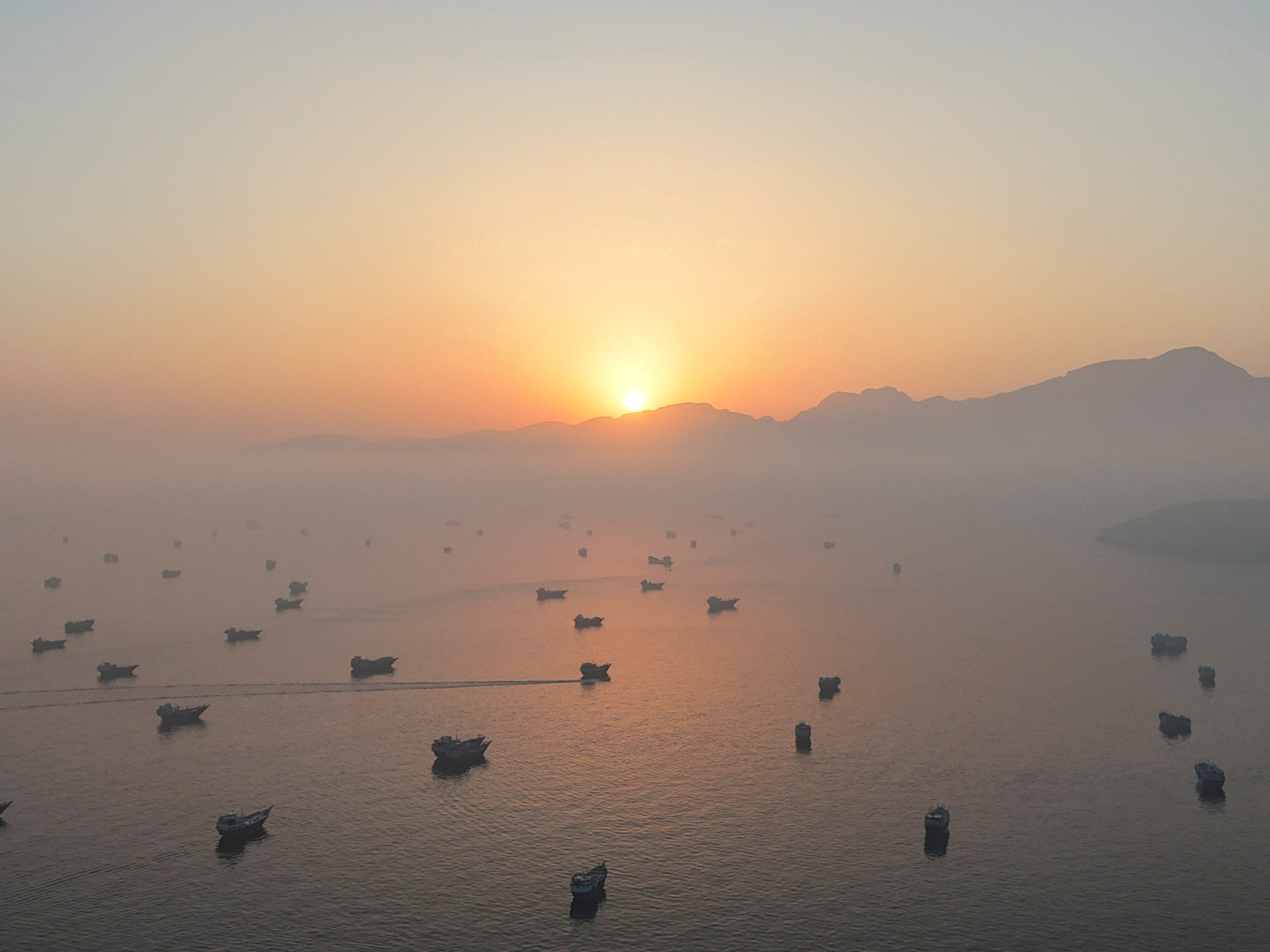
Iran’s Supreme National Security Council has outlined six strict conditions that the United States must meet before the Strait of Hormuz can fully reopen to shipping, according to an Aljazeera report. Mohammad Bagher Zolghadr, secretary of the council, announced the demands in a statement published by Iran’s state broadcaster IRIB.
Iran Sets Strict Conditions for Reopening Strait of Hormuz
The conditions include an end to US threats against Iran and insults to the country’s national and religious values, as well as a permanent halt to attacks against Iran and its regional allies in Lebanon, Palestine, Yemen, and Iraq. Tehran is also demanding the lifting of the US naval blockade, the withdrawal of US naval and air forces from around Iran, compensation for damage from two past “imposed wars,” the lifting of economic sanctions, and the unconditional release of frozen Iranian assets.
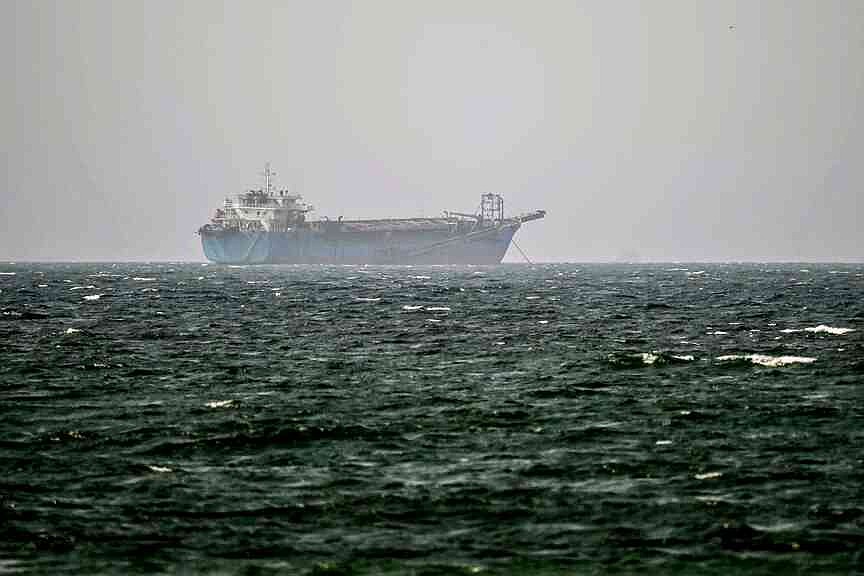
The Islamic Revolutionary Guard Corps (IRGC) affirmed that reopening the waterway depends entirely on Washington accepting these terms, stating that the reopening is separate from ongoing negotiations between Iran and Oman. IRGC spokesperson Hossein Mohebbi told the semiofficial Tasnim news agency, Whenever the United States accepts Iran’s conditions, the Strait of Hormuz will certainly be reopened,
according to Aljazeera.
Negotiations With Oman and Proposed Shipping Protocols
While the security council’s newly stated demands broaden the parameters for reopening the strait, Iran and Oman have simultaneously been engaged in discussions regarding a new shipping protocol for the vital waterway. Iranian Foreign Minister Abbas Araghchi noted that the two countries were nearing the final stages of a deal, according to news.abplive.com.

The proposed draft agreement, under review in Iran’s parliament according to reports cited by newstribune.com, envisions Iranian management over the entry of vessels into the strait, with exit oversight managed jointly by Iran and Oman. The transit framework outlines a central corridor,
with traffic through two other routes currently in limited use slated to cease within a specified timeframe.
However, the prospect of a local management agreement has run up against opposing positions from Washington. An unnamed US official told Reuters that the blockade of Iranian ports would be lifted only once commercial shipping through Hormuz was restored without impediments, tying US actions directly to Iranian commitments.
Economic Pressures and Political Strains Inside Iran
The maritime standoff continues to unfold against a backdrop of severe economic strain within Iran. Official data indicates that inflation accelerated to an annual rate of 88.6% in late June, with southern provinces nearing 100% or more, while unemployment has risen to 9.1% and GDP is projected to shrink 5.4% this year.
Amid these economic pressures, Iranian President Masoud Pezeshkian has advocated for a diplomatic resolution. At a press conference with journalists, Pezeshkian stated that he believed now is the best time for an agreement,
adding that the country maintains cohesion and strength. Pezeshkian also emphasized that Tehran and Washington should have established a mechanism to handle disputes rather than resorting to military confrontation.
Any final agreement concerning the Strait of Hormuz and broader regional normalization will ultimately require approval from Iran’s Supreme Leader Mojtaba Khamenei. Iranian officials have noted that communication with Khamenei remains difficult at the present time.
Worth a look

Global Theatrical and Digital Release Announced for NAZA
The acclaimed documentary NAZA is scheduled for theatrical distribution in cinemas across more than 50 countries, followed by...
US Mortgage Rates Top 7% For First Time in 20 Months
U.S. mortgage rates have climbed above 7 percent for the first time in 20 months, driven by surging...
Ethiopia And Tigray Accuse Each Other Of New Offensives Shattering Peace Deal
The escalation shatters the 2022 peace agreement that ended a devastating two-year conflict in the northern Tigray region.

Gold prices retreated globally as the dollar rallied and Fed hike bets firm
Gold and silver prices retreated globally, pressured by a strengthening U.S.