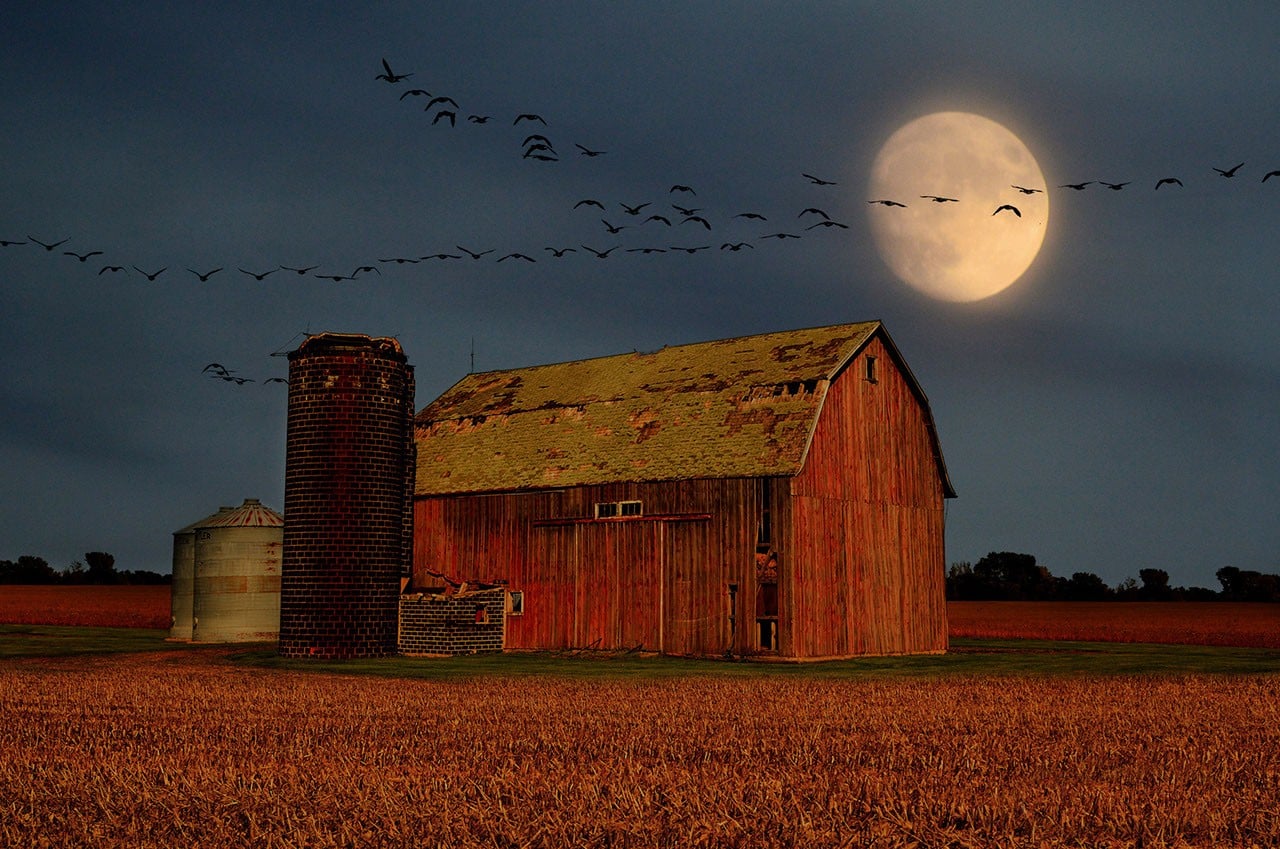
The Harvest Moon of September 2026 will rise on September 26, appearing near Saturn and Neptune in the constellation Pisces, with peak visibility around local moonrise and lasting through the night, according to Starwalk.
Harvest Moon Details: Timing, Location, and Celestial Neighbors
The Harvest Moon of September 2026 will reach its full phase on September 26 at 16:49 GMT/UTC (12:49 PM EDT), according to Starwalk. This event, known as the “Harvest Moon” in the Northern Hemisphere, occurs when the full moon is closest to the September equinox, which falls on September 22. The moon will rise in the east shortly after sunset, appearing near Saturn and Neptune, with Saturn visible to the naked eye and Neptune requiring binoculars or a telescope, as noted by Starwalk. The moon’s path across the sky will be notable for its proximity to the constellation Pisces, where it will shine among the stars of the Circlet, an asterism forming the head of one of the two fish in the zodiac. Starwalk emphasizes that the Harvest Moon will rise at a similar time for several evenings in the Northern Hemisphere, a characteristic that historically aided farmers in extending their harvests under bright moonlight.
September 2026 Skywatching Tips from NASA
Cultural and Historical Context of the Harvest Moon
The term “Harvest Moon” originates from agricultural traditions, as the moonrise occurring soon after sunset for several evenings provided extended bright light for farmers to complete their harvests before fall frosts. According to Delawareonline, the September full moon is also known as the “corn moon,” “autumn moon,” falling leaves moon,
“wine moon,” “barley moon,” and “song moonin Native American and Celtic cultures. The
harvest” moniker specifically refers to the moon’s early evening rise, which traditionally helped crews harvest summer-grown crops. Skyatnightmagazine notes that the Harvest Moon is the full moon closest to the September equinox, a definition that aligns with the 2026 event.
Additional Celestial Events in September 2026

September 2026 features several notable celestial events beyond the Harvest Moon. From September 6 to 7, the crescent moon will pass within three degrees of Mars in the pre-dawn sky, with Jupiter rising behind them a few hours later. This Moon-Mars conjunction occurs above the eastern horizon around 3 a.m. local time, while Jupiter becomes visible in a diagonal line behind the pair, as reported by Source 3. On September 8, the moon will join Jupiter a few hours before sunrise, traveling above the eastern horizon around 4 a.m. local time. Additionally, the new moon on September 11-12 offers ideal stargazing conditions, with dark skies allowing visibility of galaxies, nebulae, and the Milky Way’s core, as noted in Source 3.
Full Moon in September 2026
Viewing Tips and Observations
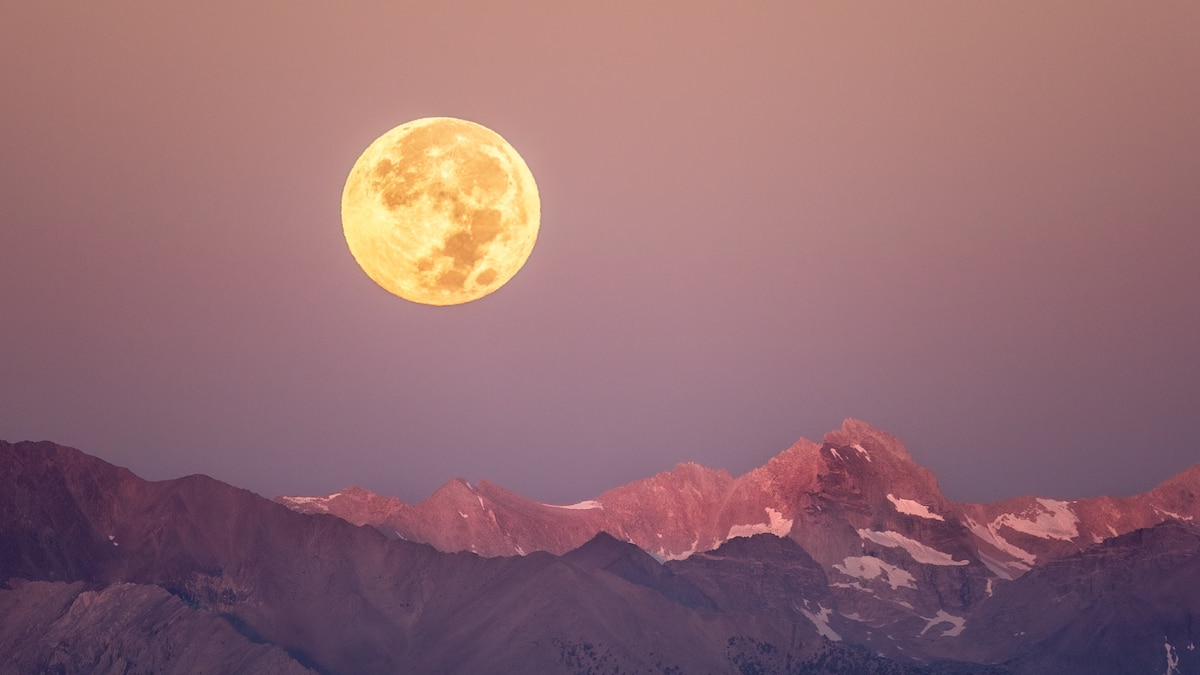
For optimal viewing, observers are advised to look east around sunset on September 26, when the Harvest Moon will emerge, casting a yellow or orange hue due to atmospheric scattering. The moon’s apparent size may also be enhanced by the “moon illusion,” making it seem larger than it is. National Geographic notes that the moon will appear full for several nights, with the best visibility from September 25 to 27. The Harvest Moon will remain nearly full on September 25 and 27, with similar visibility conditions across the Northern Hemisphere. To locate the moon’s exact rise and set times for specific locations, users can consult the free astronomy app Sky Tonight, as recommended by Source 2. Additionally, the moon will pass near Venus on September 14, with the evening’s golden hour offering an enchanting view as the waning crescent moon approaches the planet, according to Source 1.
Seasonal and Astronomical Significance
The September equinox on September 22 marks the start of fall in the Northern Hemisphere and spring in the Southern Hemisphere, as mentioned in Source 1. This event also signifies the beginning of the period when the Harvest Moon is visible, as the full moon closest to the equinox. Venus reaches peak brilliance for its evening appearance on September 18, shining at its brightest of this season, according to Source 1. The moon’s position in Pisces, combined with its proximity to Saturn and Neptune, offers a unique opportunity for observers to track its movement against the backdrop of these celestial bodies. The Harvest Moon’s alignment with Saturn and Neptune, as noted in Source 2, underscores its significance as a marker of seasonal change and astronomical alignment.
9 Night Sky Events to See in September, From
Historical and Scientific Context
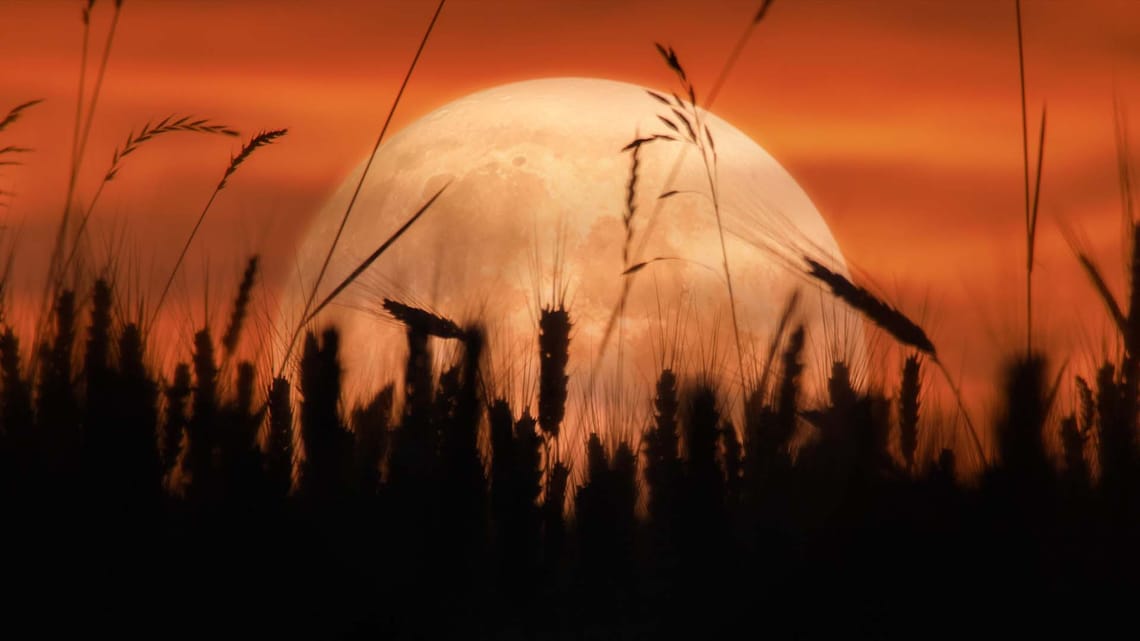
Historically, the Harvest Moon’s early evening rise provided extended daylight for agricultural activities, a practice documented in Native American and Celtic traditions. The term “corn moonreflects the timing of corn harvests, while
autumn moon” and “wine moon” highlight cultural associations with the season. Scientifically, the moon’s orbit and Earth’s axial tilt contribute to the Harvest Moon’s unique timing, as the moon’s path across the sky results in minimal variation in moonrise times over several nights. This phenomenon, described by Starwalk, allows for prolonged periods of moonlight, historically beneficial for farming communities. The 2026 Harvest Moon also coincides with the first full moon of fall, following the last quarter moon on September 4, new moon on September 10, and first quarter moon on September 18, as recorded by the Old Farmer’s Almanac in Source 4.
Conclusion
The Harvest Moon of September 2026 presents a remarkable opportunity for stargazers to witness a celestial event intertwined with cultural heritage and astronomical significance. From its alignment with Saturn and Neptune to its role in marking the seasonal transition, the event offers a blend of scientific and historical interest. Additional celestial phenomena, such as the Moon-Mars conjunction and the visibility of the Milky Way’s core, further enrich the night sky during September. With the aid of tools like the Sky Tonight app and the guidance of sources such as Starwalk and Nationalgeographic, observers can enhance their experience of this annual astronomical highlight.
Worth a look
Solar Storm Disrupts GPS Signals
A November 2024 solar storm caused GPS signals to drift over 33 feet, disrupting self-driving cars and highlighting...
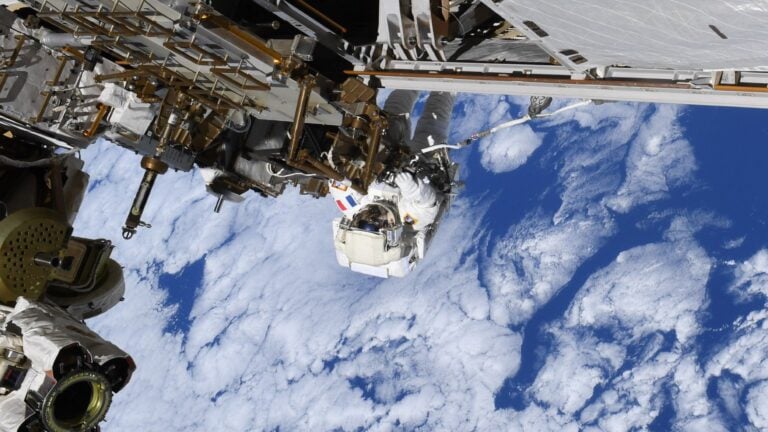
Astronauts Sophie Adenot and Anil Menon Install ISS Space-to-Ground Antenna
European Space Agency astronaut Sophie Adenot and NASA astronaut Anil Menon completed a six-hour and 30-minute spacewalk outside...
Interstellar Comet 3I/Atlas Makes Closest Approach to Earth
An interstellar visitor designated 3I/Atlas is making its closest approach to Earth at 167 million miles this week...
Chinese Researchers Complete Two-Way Laser Link Over 400,000 Kilometers
Chinese researchers have successfully completed a two-way laser communications test between Earth and the moon across a distance...