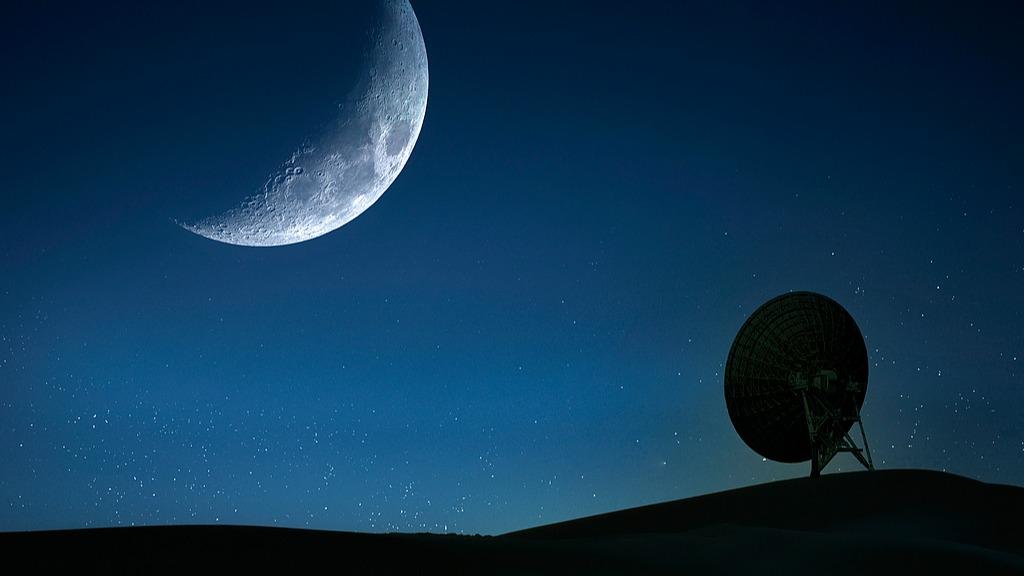
Chinese researchers have successfully completed a two-way laser communications test between Earth and the moon across a distance of over 400,000 kilometers, marking an advancement of the country’s space laser communication technology from near-Earth orbit into the Earth-moon region.
Technology and Engineering Center for Space Utilization
The mission was carried out by the Technology and Engineering Center for Space Utilization (CSU) of the Chinese Academy of Sciences using a satellite operating in a distant retrograde orbit following more than a year of in-orbit testing, according to reports by Global Times and Xinhuanet.
Laser communications
Laser communications offer faster speeds, greater bandwidth, stronger security, and more compact hardware compared to traditional microwave communications. However, establishing the link required overcoming major challenges involving beam alignment, signal weakness, and transmission speed.
Earth-moon communication is like threading a needle from a thousand miles away,
said Yang Lei, a researcher at the CSU and head of the laser communication test team, noting that minor satellite wobbles or atmospheric turbulence can cause laser beams to drift over such extreme distances. To maintain precise alignment between motion-bound ground and spaceborne equipment, the team developed an innovative acquisition and tracking scheme that integrates corrections for orbital, atmospheric, and optical propagation delays.
After traveling 400,000 kilometers, returning laser signals become extremely faint, receiving only a few photons at a time amid background interference from moonlight, starlight, and urban lighting. Researchers utilized high-speed superconducting single-photon detection technology, ultra-sensitive single-photon detectors, and high-sensitivity algorithms to extract valid communication signals from the noise.
Yang
The test achieved two-way communication rates of 1.25 Mbps for the uplink and 100 Mbps for the downlink. According to Yang, downloading an 8K high-definition image of the lunar surface that would take about 4 to 5 minutes via a traditional 5 Mbps microwave link takes only about 12 seconds using the 100 Mbps laser communication.
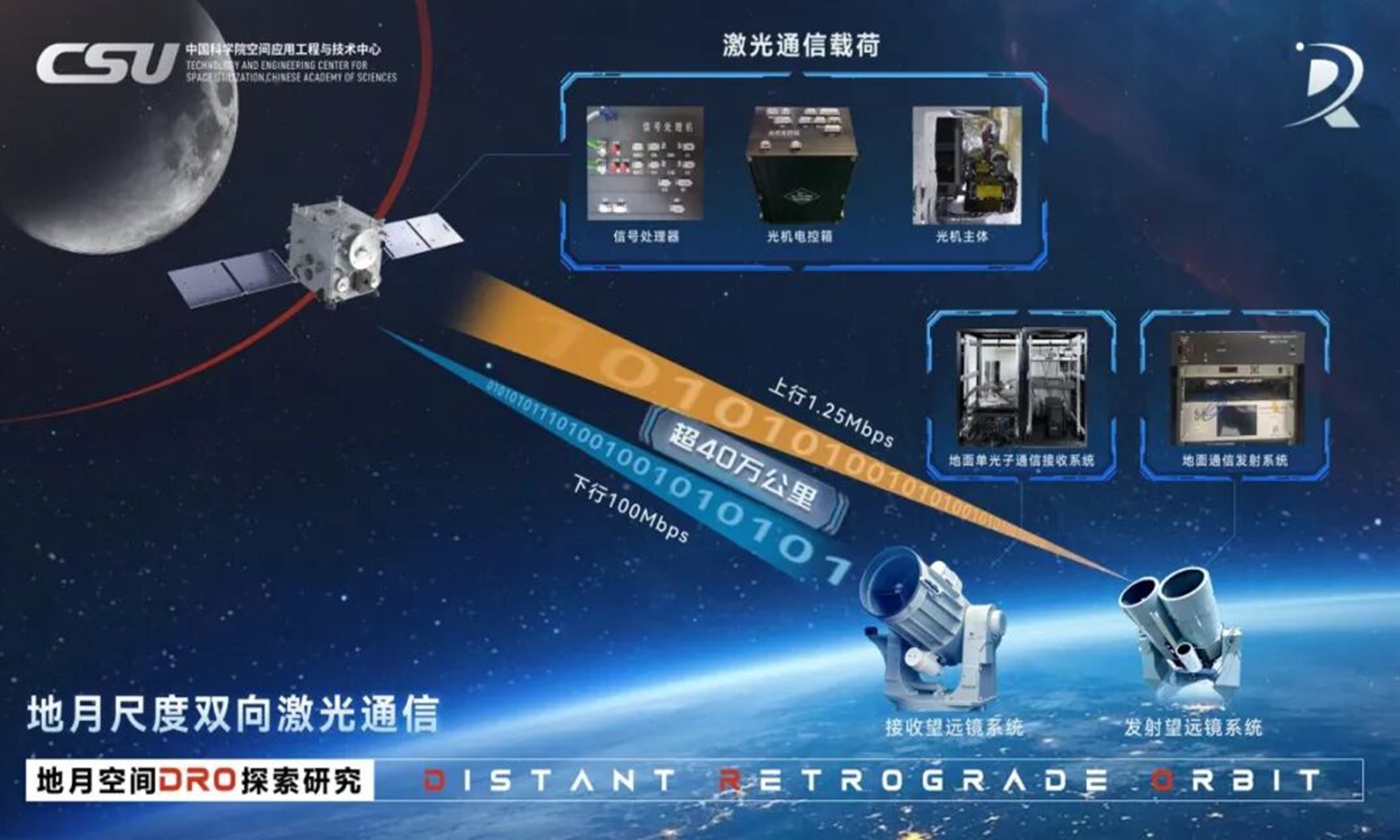
The newly opened Earth-moon laser information highway will support upcoming crewed lunar landings, the construction of lunar research stations, and deep-space exploration by providing a high-speed data transmission route for massive volumes of observation images and scientific data.
- President Daniel Chapo Urges Global Action on Climate Justice
- CHIME Telescope Detects Early Universe Hydrogen Signal Independently
- Stanford researchers find protein target to regenerate knee cartilage (world-today-news.com)
- Connecticut Researchers Launch Study on Rising Alpha-Gal Syndrome and Lone Star Ticks (archyde.com)

President Daniel Chapo Urges Global Action on Climate Justice
Mozambican President Daniel Chapo called for strengthened international climate justice measures at a Maputo conference on October 14.
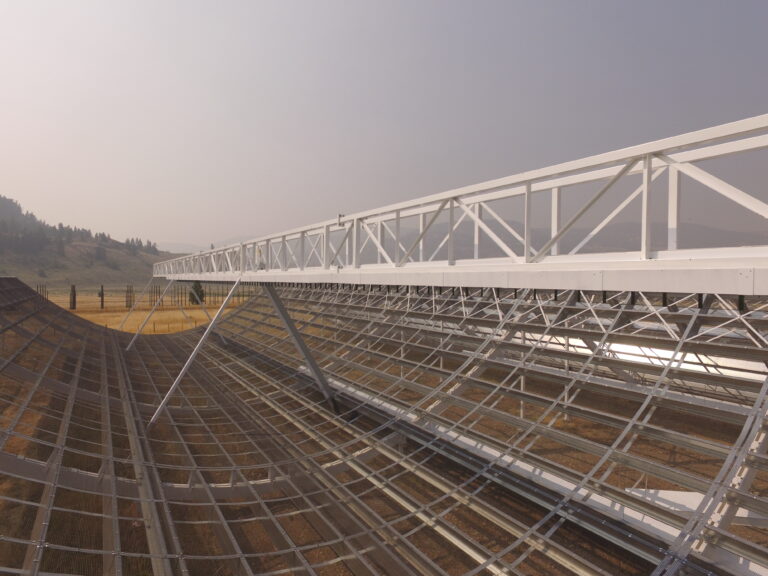
CHIME Telescope Detects Early Universe Hydrogen Signal Independently
Using only its own data, the Canadian Hydrogen Intensity Mapping Experiment (CHIME) telescope in British Columbia detected a...
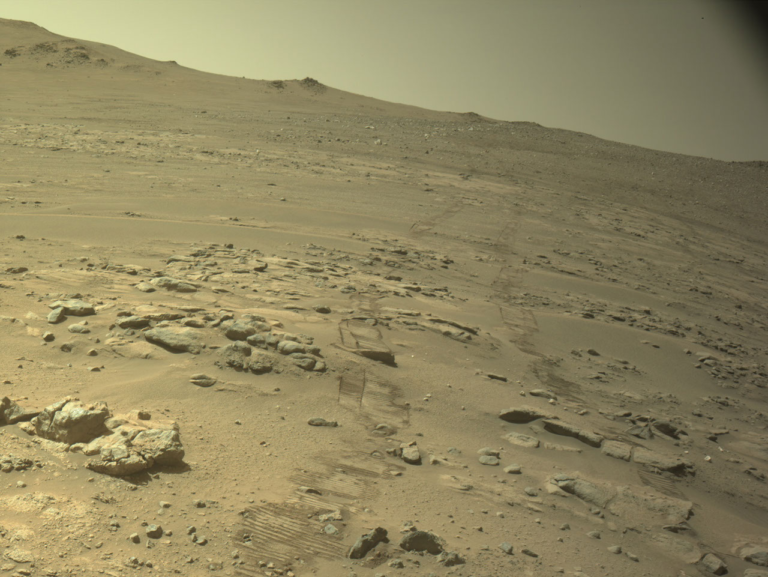
NASA’s Perseverance Rover Breaks Opportunity’s Mars Mileage Record
NASA’s Perseverance rover has set a new off-world driving record on Mars, surpassing the mileage of its predecessor...
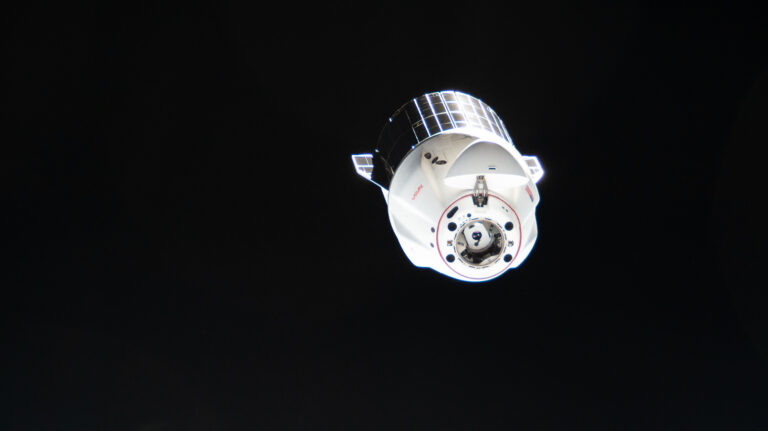
NASA and SpaceX to Launch Cargo and Solar Arrays to Space Station
NASA and SpaceX are targeting Tuesday, October 13, for the launch of the 35th commercial resupply mission to...