A November 2024 solar storm caused GPS signals to drift over 33 feet, disrupting self-driving cars and highlighting vulnerabilities in autonomous systems, according to a study in Geophysical Research Letters.
The November 2024 solar storm demonstrated a critical vulnerability in self-driving technology: GPS signals can be thrown off by space weather, creating errors large enough to endanger autonomous vehicles. Researchers found that the storm caused significant positioning errors
exceeding 33 feet, a margin that could compromise navigation safety. The study, published in Geophysical Research Letters, warns that such disruptions could affect precision agriculture and transportation industries across the U.S.
Solar Storm Disrupts GPS Signals
The disruption occurred as the Aurora Oval—a zone of auroras around Earth’s geomagnetic north pole—expanded dramatically southward. This shift created atmospheric conditions that worsened GPS signal timing, a critical factor for autonomous vehicles. The study notes that stronger auroral activity correlated with more severe GPS degradation, with errors growing as the auroras brightened.

Risks for Autonomous Vehicles and Agriculture
While the November storm struck after the peak farming season, researchers warn that a similar event during critical agricultural periods could cause significant economic losses
for farmers. For autonomous vehicles, the risk is both safety and operational: a 33-foot GPS error could lead to misjudged turns, lane departures, or collisions.
The study emphasizes that current GPS systems lack redundancy to handle such disruptions. Autonomous vehicles often combine GPS with lidar, radar, and cameras, but in cases where satellite signals are unreliable, the reliance on GPS could create a single point of failure. Researchers caution that without improved space weather monitoring, future storms could pose broader risks to transportation networks.
Preparing for the Next Solar Storm
The findings highlight an urgent need for better space weather forecasting and mitigation strategies.
The November 2024 event serves as a warning: even a single storm can expose weaknesses in technologies designed for precision.
The research underscores a growing intersection between space science and everyday technology. As autonomous systems become more prevalent, understanding and mitigating space weather risks will be critical to preventing disruptions that could ripple across industries and communities.
Related reading
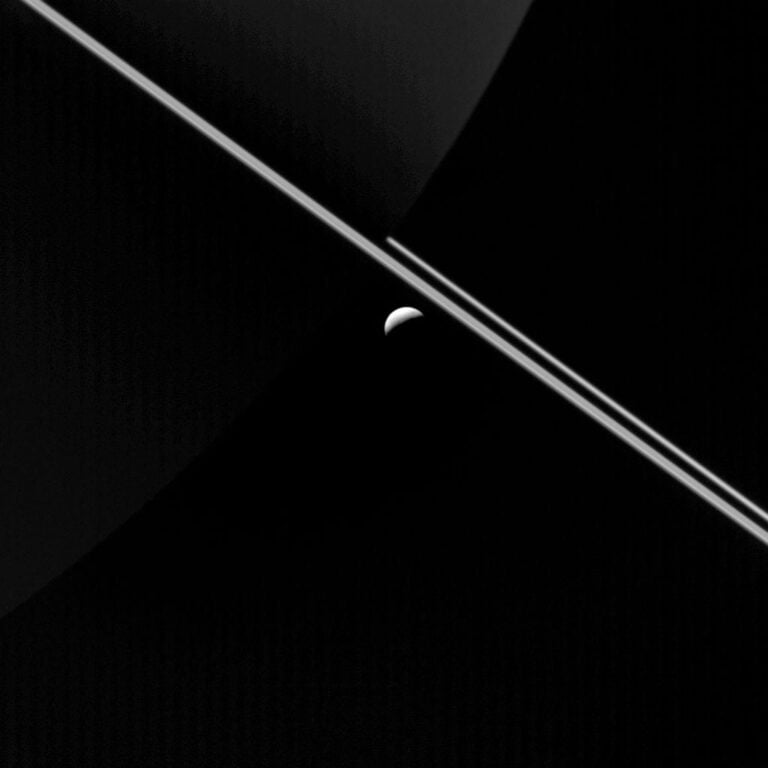
Cassini Finds Salt Diversity in Enceladus Ice
Saturn’s moon Enceladus concentrates and segregates ocean compounds into distinct ice grains during space eruptions.
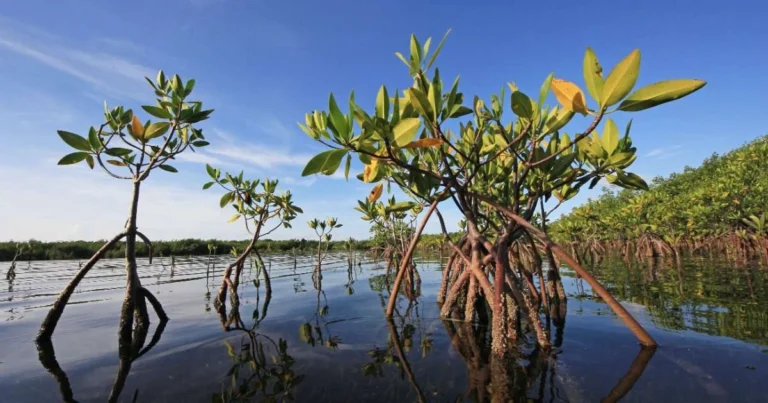
Mangroves Rebound After Decades of Loss
Global mangrove cover grew by 477 square kilometers between 1985 and 2025, marking a modest 0.3 percent net...
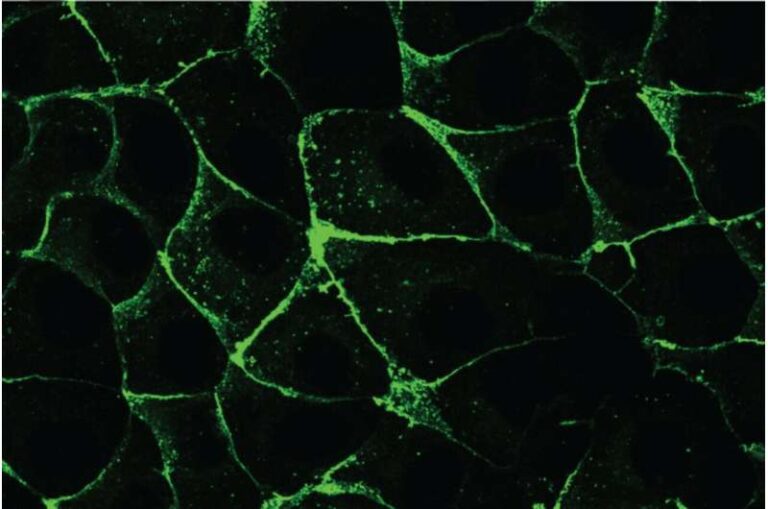
Whitehead Researchers Recreate Planar Cell Polarity in Engineered Epithelial Cells
Researchers at the Whitehead Institute have recreated planar cell polarity in engineered epithelial cells, discovering that collective cell...
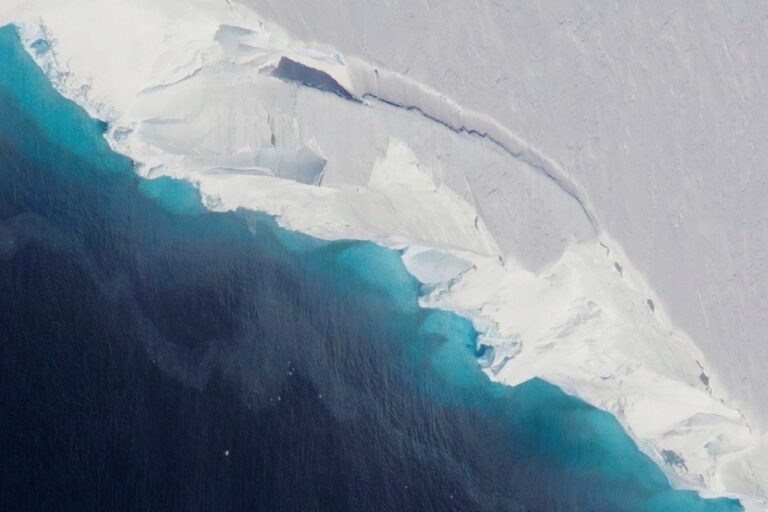
Thwaites Glacier Melts Faster Than Expected. Sea Levels Could Double by 2100
Thwaites Glacier in West Antarctica is melting faster than expected, with a new model showing sea level rise...