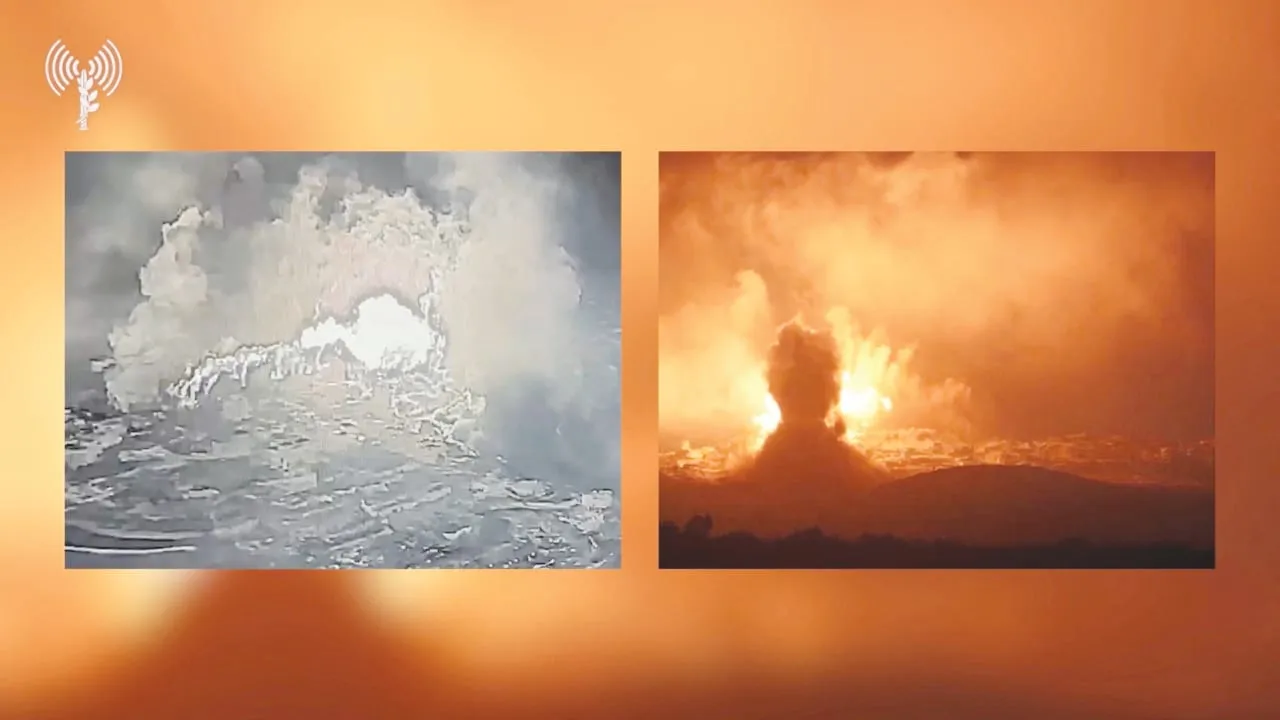
Iran has delivered a warning to the United States indicating that any full-scale Israeli offensive targeting the Ali al-Taher ridge in southern Lebanon would provoke a forceful response, according to three officials familiar with the communication. The message, transmitted in mid-August via Oman according to two regional sources, emphasizes Tehran’s direct involvement in ground operations in southern Lebanon and its readiness to retaliate against Israeli military actions.
Iran Warns U.S. Over Strategic Lebanon Ridge
The mountainous ridge provides a commanding view of southeastern Lebanon and has developed into a heavily contested area in the ongoing conflict. According to Lebanese security sources, Hezbollah has constructed an underground command center and weapons storage facilities inside the high ground. While Hezbollah officials have publicly stated that the group controls the hill and will confront Israeli advances while referring to a local “facility” without elaborating, the organization declined to comment directly on whether Iranian forces were present.
Disputed Military Presence and Regional Stakes
Sources familiar with the diplomatic message reported that over a dozen members of the Islamic Revolutionary Guard Corps (IRGC), including at least two senior officers, are positioned alongside Hezbollah fighters inside the ridge. A foreign official with direct knowledge of the communication stated that U.S. pressure subsequently led Israel to postpone plans to storm the position. A White House official disputed this characterization, stating that the claim of U.S. pressure was not accurate.
Contrasting assessments surround the site’s current personnel and conditions. Citing an Israeli military source, the Israeli newspaper Maariv reported an assessment that no IRGC forces remain at Ali al-Taher and that some Hezbollah fighters have perished due to shortages of food and water. This aligns with earlier statements from an Israeli military official who noted in June that fighters were trapped underground without supplies. Conversely, a Lebanese source briefed by Hezbollah maintained that group members continue to access their positions via the northern side of the ridge.
Ceasefire Context and Escalation Risks
The diplomatic friction unfolds against the backdrop of a June ceasefire agreement established through a U.S.-Iran memorandum of understanding known as the Islamabad Agreement. Hezbollah’s media office asserted that any ground movement or territorial expansion by Israel in southern Lebanon constitutes a major violation of this pact. In early June, Iran launched missiles toward Israel following attacks on Hezbollah near the outskirts of the Lebanese capital.
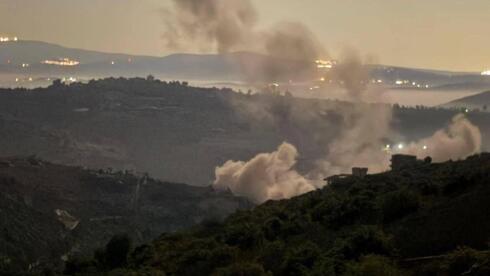
Despite the existing ceasefire, friction around the ridge has persisted. The Israeli military has occupied territory to the south of Ali al-Taher, designating the ridge as a primary operational focus within a self-declared security zone that is off-limits to Lebanese civilians. The Israeli military reported that Hezbollah forces continue operating in the vicinity, pointing to recent incidents where explosive drones were launched toward Israeli troops. In July, the military carried out an air strike near an access shaft of the underground site.
Potential Future Operations
Despite warnings from Tehran and threats from Hezbollah—which cautioned that a large-scale assault on the ridge could reignite full-scale war and lead to missile strikes on northern Israeli communities—local security sources indicate that military action remains under consideration. A senior Lebanese security official and a Lebanese source both stated that an Israeli operation to capture the ridge is still possible in the coming weeks.
Related reading

Anthony Joshua Injured, Two Friends Die in Nigeria Car Crash
Two-time heavyweight boxing champion Anthony Joshua was injured and two of his close friends died in a Monday...
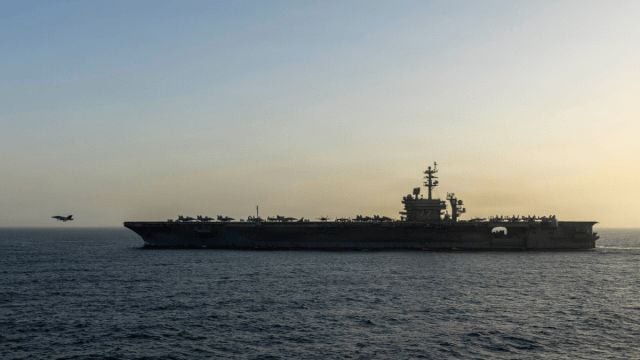
USS Abraham Lincoln Sailors Dock in Thailand After 286-Day Deployment
Thousands of sailors aboard the USS Abraham Lincoln docked at Thailand's Laem Chabang Port on Wednesday for a...

China’s Carbon Emissions Fall as US-Israeli War on Iran Cuts Oil Use
China’s carbon dioxide emissions fell by 1% in the second quarter of 2026, driven by a sharp drop...
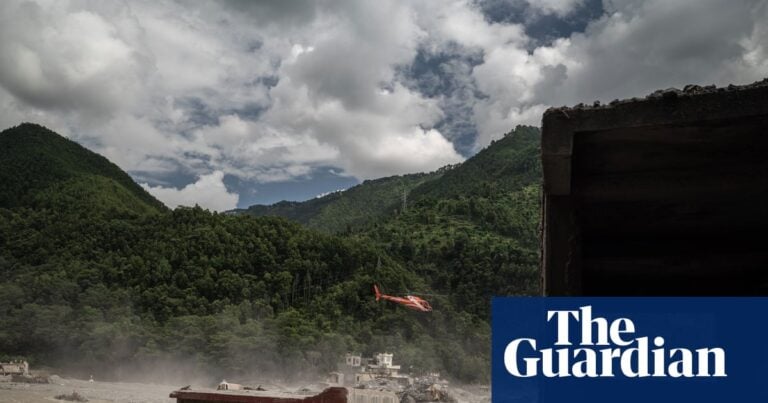
Himalayan Glacier Collapse Kills Over 1,200 in Nepal and Tibet
Deadly flash floods triggered by a melting Himalayan glacier struck Nepal and Tibet at 8:37 AM on Wednesday...