
A South African business delegation is visiting New Delhi to explore opportunities for expanding economic ties with India and to address an existing trade imbalance between the two countries, according to reports from the Hindustantimes. The South African BRICS Business Council (SABBC) is attending the BRICS Business Council and Business Forum meetings scheduled for September 10 and 11, ahead of the 18th BRICS Summit.
South African Business Delegation Arrives in New Delhi to Address Trade Deficit
Formed in 2013, the SABBC works to promote trade, investment, and public-private dialogue between South Africa and member nations, focusing specifically on industrialisation, green energy, and African economic development. India remains one of South Africa’s most significant BRICS trading partners, accounting for 20.8 per cent of South Africa’s trade with the grouping in 2025.
However, South Africa recorded a trade deficit of approximately USD 3.18 billion, as detailed by Whalesbook. South African exports are dominated by raw materials such as coal, manganese, and chemical wood pulp, while imports from India are concentrated in petroleum, vehicles, pharmaceuticals, and machinery.
Shifting Away From the Traditional Buyer-Seller Model
The SABBC stated it would use the trade imbalance as a commercial mandate
to push for higher-value exports and move the bilateral relationship beyond a traditional buyer-seller model. The objective is to foster co-investment, technology collaboration, and greater market access.
The delegation is actively seeking opportunities in advanced manufacturing, pharmaceuticals, digital services, agro-processing, and renewable energy. Among the primary agenda items are utilizing Indian technology and capital to establish South Africa as a regional automotive production hub, alongside building partnerships in pharmaceuticals and medical devices to expand healthcare access across the African continent.
Additionally, the two sides are expected to explore skills-exchange programs covering information technology, artificial intelligence, and cybersecurity. The delegation also intends to promote South African agricultural products within the Indian market while investigating the use of Indian processing and packaging technologies, alongside joint ventures in renewable energy and green hydrogen.
Financing, Policy Frameworks, and Corporate Activity
SABBC Chairperson Busi Mabuza emphasized the goal of turning discussions into measurable transactions via business matchmaking, investment facilitation, and targeted projects across the energy, manufacturing, infrastructure, and digital economy sectors. Mabuza highlighted that the African Continental Free Trade Area offers BRICS partners clear opportunities to invest in regional value chains, industrial projects, and infrastructure.
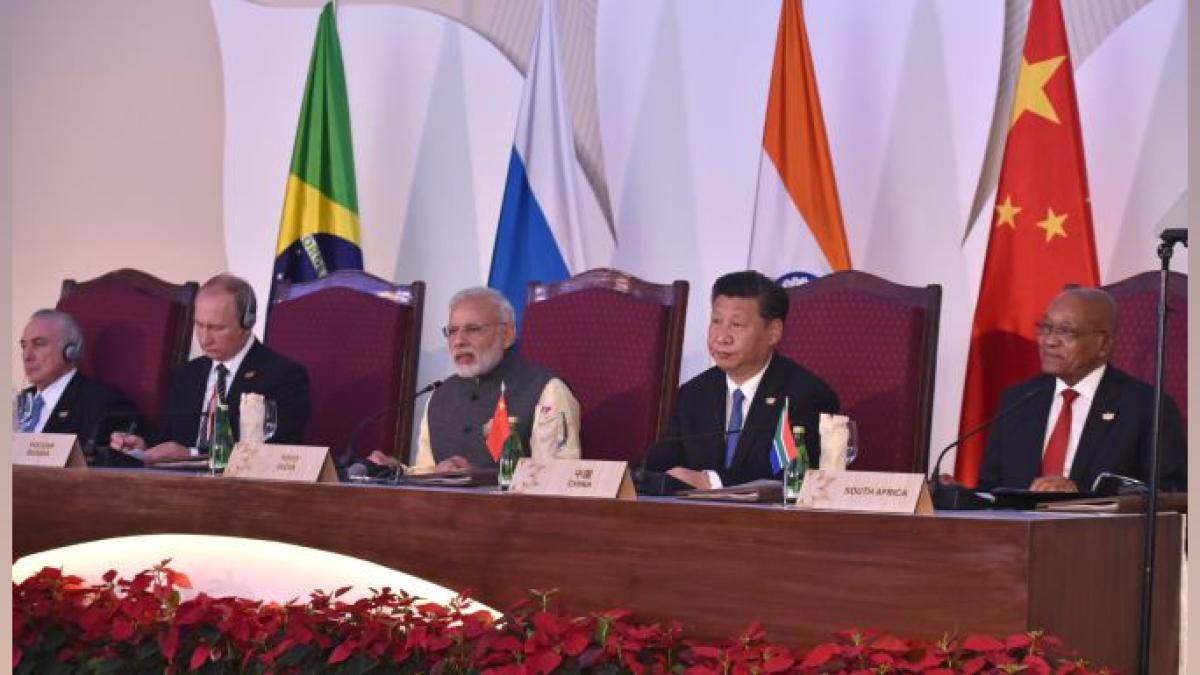
Furthermore, Mabuza noted that the BRICS New Development Bank has approved more than R6.41 billion in financing dedicated to infrastructure and sustainable development projects inside South Africa. India’s next phase of growth requires partners that can offer resource security, African market access, industrial collaboration and innovation opportunities. South Africa has these advantages,
Mabuza said.
This diplomatic and commercial push follows recent policy developments, including the signing of Terms of Reference on August 12, 2026, by India and the Southern African Customs Union (SACU)—which comprises South Africa, Botswana, Namibia, Lesotho, and Eswatini—to initiate negotiations for a Preferential Trade Agreement. Meanwhile, corporate activities in the region continue to draw investor attention, including recent expansions by firms such as Solar Industries India Limited, even as structural hurdles like local energy shortages and logistics bottlenecks remain key factors for manufacturing operations.
Keep reading
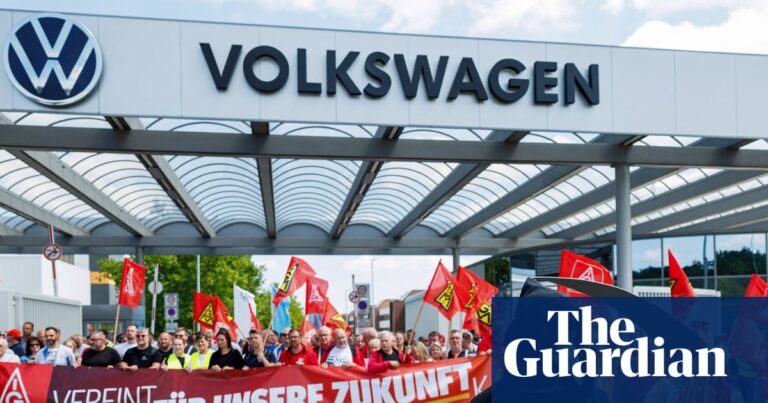
Volkswagen Supervisory Board Approves Plan to Cut 100,000 Jobs by 2030
The restructuring addresses fierce competition from Chinese automakers, falling profits, and heavy U.S. import tariffs.

Impala Platinum Reports Surging Annual Profit on Higher Metal Prices
Impala Platinum reported a net profit of 31.04 billion South African rand, equivalent to $1.93 billion, for the...

SEC Preps Proposal to Widen Retail Investor Access to Private Markets
The US Securities and Exchange Commission submitted a planned proposal to the White House Office of Management and...
Global Bond Yields Hit Highest Levels Since 2008 as Debt Selloff Widens
Global bond yields surged to their highest levels in nearly two decades as escalating energy prices and stricter...