
Older adults at risk of dementia improved their memory, thinking skills, and overall cognitive performance after participating in two culturally adapted lifestyle programs across Latin America, demonstrating that structured multidomain interventions can successfully move from clinical trials into everyday communities.
Multidomain Lifestyle Programs Deliver Cognitive Gains Across Latin America
Older adults at risk of dementia showed measurable improvements in memory, thinking skills, and overall cognitive performance after taking part in structured lifestyle interventions across 11 Latin American countries. The initiative, known as the Latin American Initiative for Lifestyle Intervention to Prevent Cognitive Decline (LatAm-FINGERS), followed 1,065 participants for two years across 12 study sites in Argentina, Bolivia, Brazil, Chile, Colombia, Costa Rica, Dominican Republic, Ecuador, Mexico, Peru and Uruguay. Funded by the Alzheimer’s Association and published in The Lancet, the study built on findings from the U.S. Study to Protect Brain Health Through Lifestyle Intervention to Reduce Risk (U.S. POINTER).
Researchers emphasized that the initiative did not simply copy foreign models. Multinational working groups adjusted the framework to fit regional habits, climates, and food availability while preserving core lifestyle elements. Exercise routines incorporated salsa, tango, and outdoor group workouts in public parks, while nutritional guidance modified the MIND diet to include locally accessible foods such as avocado, quinoa, açaí, aguaymanto, chia, and pumpkin seeds. Program materials were translated, and extra assistance was provided to participants with limited digital experience.
Investigators reported that the strongest benefits occurred among individuals who received more structured guidance, regular coaching, and social support. Experts pointed out that addressing multiple lifestyle factors simultaneously offers a practical public health strategy to reduce cognitive decline and lower dementia risk globally.
Community Adaptation Yields High Attendance and Better Attention Scores in Japan
Translating resource-heavy clinical protocols into everyday municipal practice has long remained a challenge for public health authorities. Addressing this gap, a collaborative research team led by Kumamoto University, in partnership with the National Center for Geriatrics and Gerontology (NCGG) and National Yang Ming Chiao Tung University researchers, evaluated a community-adapted brain health program in Kikuyo Town, Kumamoto Prefecture.
The 24-week municipal program involved 50 community-dwelling older adults and harmonized aerobic exercise, resistance training, dual-task cognitive exercises, nutritional guidance, and lifestyle self-monitoring through a dedicated daily notebook. The initiative achieved an exceptional average attendance rate of 91.5%, with 98% of participants reporting that they genuinely enjoyed the sessions.
Following the six-month intervention, participants exhibited statistically significant pre-post improvements specifically in attention scores, whereas general memory scores remained stable. Further exploratory analysis revealed that individuals with lower baseline attention showed the most pronounced short-term gains. Participants also demonstrated significant improvements in dietary balance scores, underscoring successful healthier lifestyle adoption at the municipal level.
Comparing International Implementations and Core Findings
While the LatAm-FINGERS initiative focused on a large multinational cohort across 11 countries with diverse socioeconomic statuses, the Japanese municipal evaluation targeted a local cohort over 24 weeks with intensive daily self-monitoring. Both efforts demonstrated that structured group support and tailored lifestyle modifications can successfully engage older adults.

| Study Program | Region | Participant Scope | Key Outcomes |
|---|---|---|---|
| LatAm-FINGERS | 11 Latin American Countries | 1,065 older adults at risk of dementia | Improved memory, thinking skills, and cognitive performance over two years |
| Community-Adapted J-MINT | Kikuyo Town, Japan | 50 community-dwelling older adults | Statistically significant improvements in attention scores and dietary balance |
Researchers across both projects stressed that structured social support and practical lifestyle adjustments remain vital pillars for healthy aging. Heather M. Snyder noted that addressing multiple lifestyle factors can positively impact brain health and may eventually be combined with emerging drug therapies to reduce dementia risk.
“A key message from this study is that structure and social support matter. Addressing multiple lifestyle factors can positively impact brain health and may eventually be combined with emerging drug therapies to reduce cognitive decline and dementia risk.”
Heather M. Snyder, Alzheimer’s Association senior vice president of medical and scientific relations
Next Steps and Future Public Health Watchpoints
Researchers plan to further test whether structured interventions can be scaled effectively to engage Latino and Hispanic communities in the United States and other diverse populations worldwide.
Keep reading
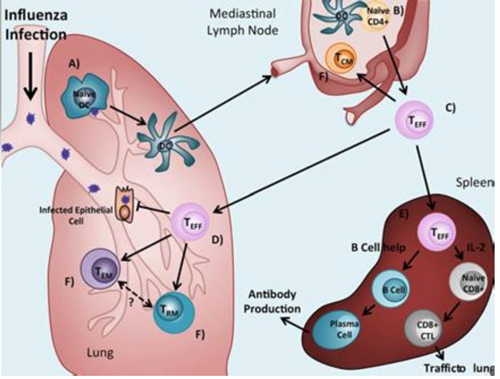
University of Rochester Finds Lung Cells That Support Influenza Immunity
Researchers have identified long-lived monocyte-derived cells in the lungs that sustain tissue-resident memory T cells, providing durable local...

AI Chatbots Fail to Give Correct Sleep Apnoea Advice in Over a Third of Cases
Free AI chatbots fail to give correct medical advice more than a third of the time when patients...

Eating Jetlag Linked to Higher Heart Disease Risk in Men, Study Finds
Men who eat on shifting schedules between workdays and weekends face a significantly higher risk of cardiovascular disease...

Aerobic Exercise Boosts Executive Function in Post-Menopausal Women
Post-menopausal women engaging in regular aerobic exercise experience greater improvements in executive function—such as task-switching and error management—than...