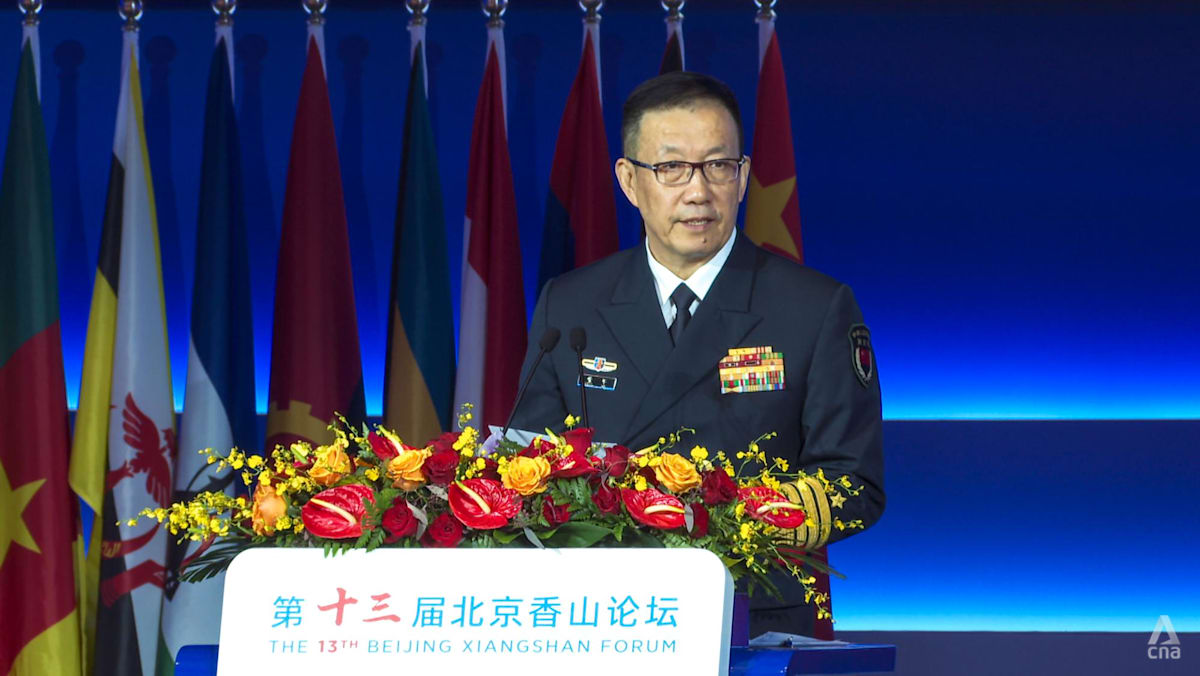
Chinese Defence Minister Dong Jun used the opening of the 13th Beijing Xiangshan Forum on September 16, 2026, to warn that world stability sits at a fragile juncture, urging global powers to reject militarism and avoid provocative acts while expanding cooperation into artificial intelligence and outer space.
Security Warnings and Geopolitical Friction at the Beijing Xiangshan Forum
Gathering roughly 2,000 military officers, diplomats, academics, and delegates from about 100 nations, the 13th Beijing Xiangshan Forum opened at the Beijing International Convention Centre against a backdrop of roiling regional tensions. Reuters noted that the three-day event runs through Thursday, welcoming figures ranging from regional defence ministers and a senior Pentagon official to Russian academics and Taliban representatives. Nepal’s Chief of Army Staff, General Ashokraj Sigdel, also traveled to Beijing for the forum during a week-long official trip.
While analysts anticipated direct rebukes, Chinese Defence Minister Dong Jun steered clear of explicitly naming the United States or its regional allies in his keynote address. Instead, according to Reuters, he delivered a speech that adhered closely to established diplomatic positions while warning against regressive historical trends.
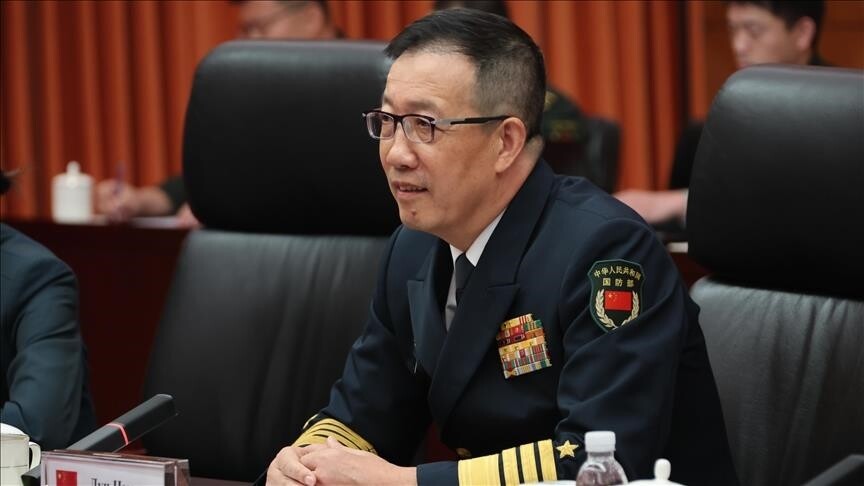
“We must bear in mind the lessons of history and remain highly vigilant against all latent manifestations of hegemony, militarism and historical revisionism. We must not turn a blind eye or condone such behaviour. By rallying broad-based forces of justice, we must suppress the resurgence of historical dregs and prevent them from exploiting the situation to cause harm.”
The venue itself serves as a tightly scripted, state-promoted alternative to Singapore’s Shangri-La Dialogue. China has steadily built up the Xiangshan gathering since 2006 to expand its military diplomacy through bilateral exercises and high-level security dialogues.
Consensus, Multilateralism, and Emerging Tech Governance
Shifting focus from territorial disputes, the forum’s official theme—Build Consensus on Stability, Advance Security Governance Together
—framed discussions around collaborative global governance. Marking its 20th anniversary this year, the forum featured four plenary sessions and eight parallel panels addressing strategic stability, maritime security, and regional risk management.
In his address, Dong emphasized that action-oriented governance remains paramount for international security.
He argued that emerging technologies must be harnessed to benefit humanity rather than divided by zero-sum competition.
Perspectives on Major-Power Responsibility and Regional Stability
Addressing the responsibilities of dominant nations, delegates examined how shifts in military power are perceived by smaller states.

“A country growing in strength may assert itself to address longstanding grievances and interests. Yet that same growth in strength may look very different to those around it. Major powers should shoulder a little more responsibility, so small countries have a little less to worry about.”
Mr Chan
Bilateral Ties and Military Cooperation in Focus
Away from the main plenary hall, delegations used the forum to coordinate bilateral security arrangements.
Those talks cover preparations for the upcoming sixth edition of the Sagarmatha Friendship
joint military exercise. First launched in April 2017, the bilateral counter-terrorism and disaster-response drills between the Nepal Army and China’s People’s Liberation Army are set to take place in China this year, expanding on a cooperation framework established a decade ago.
Sharp Exchanges Highlight Middle East Divisions
The forum’s panels occasionally reflected deep international divisions beyond East Asia. Reuters reported a sharp exchange during a shared panel featuring Saudi Arabian think-tank researcher Prince Turki Al-Faisal and senior Iranian military officer Mohammad Taghi Osanlou.
Osanlou argued that the United States attempts to maintain a unipolar hegemonic system against historical currents, while Al-Faisal countered that Saudi Arabia’s primary regional concern remains Iran’s actions regarding the sovereignty of Arab states.
Nepal Targets 275 Recruitment Agencies Over Malaysia Labor System
Nepal's Department of Foreign Employment is investigating 275 recruitment agencies after Malaysia authorized a restricted framework for hiring...
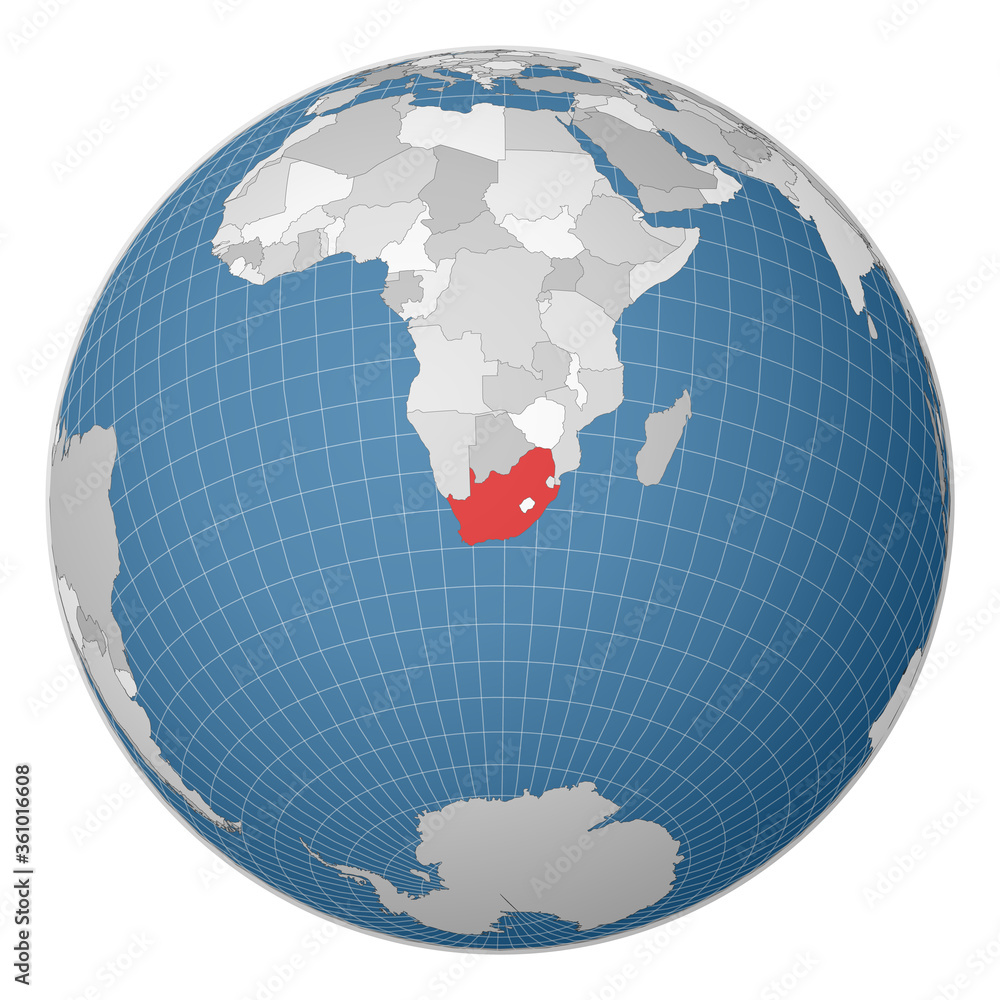
South Africa Investigates Deaths of Seven Women Amid Serial Killer Fears
South African law enforcement agencies are investigating the deaths of seven women whose bodies were discovered in and...
Russia and Ukraine Trade Energy Strikes Despite Donald Trump Announcement
NATO fighter jets shot down a drone in Lithuanian airspace originating from Belarus, while Russia and Ukraine exchanged...

British Tourist Drowns While Swimming at Crystal Bay Beach on Nusa Penida
A 54-year-old British tourist drowned while swimming at Crystal Bay Beach on Nusa Penida island near Bali during...