
The energy portfolios of 20 major private equity firms produce 1.5 gigatons of greenhouse gas emissions annually, placing their combined footprint fifth globally behind only China, the United States, India, and Russia, according to the 2026 Private Equity Climate Risks Scorecard released on September 15, 2026.
A newly published analysis maps more than 1,050 fossil fuel assets backed by the world’s top 20 private equity firms, revealing an immense carbon footprint that rivals major industrial nations. Together, these firms manage $7.3 trillion in assets across various sectors, giving them substantial leverage over the global transition away from fossil fuels. Yet, rather than steering away from carbon-intensive energy, several major financial players have actually increased their holdings in fossil fuel companies over recent cycles.
Expansion of Fossil Fuel Holdings Amid Global Climate Goals
While certain institutional investors and public-sector retirement systems have actively sought to limit their exposure to carbon-heavy projects, the scorecard shows that firms including BlackRock’s GIP, Energy Capital Partners, EQT, and Kayne Anderson grew their fossil fuel portfolios compared with 2024 levels. The research team compiled data by querying energy holdings with PitchBook, supplementing the findings with corporate websites, press releases, news reports, and regulatory filings.
Amanda Mendoza, senior research and campaign coordinator on the climate team at the Private Equity Stakeholder Project (PESP), noted that private equity has funneled more than $1tn into fossil fuel assets since 2010. Among the expanding portfolios, the firm EQT has frequently marketed itself as a climate-conscious investor supporting the broader energy transition. However, EQT, GIP, and the California Public Employees’ Retirement System are positioned to acquire the AES Corporation, which currently operates more than 20 power plants.
“It is alarming because if this deal does go through they will then be owners of a fleet of coal power and gas powered plants. That’s significantly going to impact their transition. It seems like they’re transitioning to fossil fuels instead of away.”
Amanda Mendoza, Senior Research and Campaign Coordinator at the Private Equity Stakeholder Project
The Intersection of Private Equity, Utilities, and the AI Data Center Boom
Investment in domestic data centers reached $45.7 billion in 2025, accounting for roughly 72% of total sector investment.
In June 2024, Blackstone invested $2.16bn in the Northern Indiana Public Service Company (NIPSCO) to secure a 19.9% stake and a board seat. NIPSCO serves 1.3 million customers and subsequently announced plans to construct a 2,300 MW natural gas power plant to supply local data centers, a facility carrying the potential to emit millions of tons of carbon dioxide annually.
In response to inquiries, Blackstone stated that it acts solely as a minority investor in NIPSCO, does not manage day-to-day operations, and holds no control over management decisions. Nevertheless, Blackstone has also committed over $25bn to support the buildout of data centers and energy infrastructure throughout Pennsylvania.
Assessing the Human Toll and Public Health Consequences
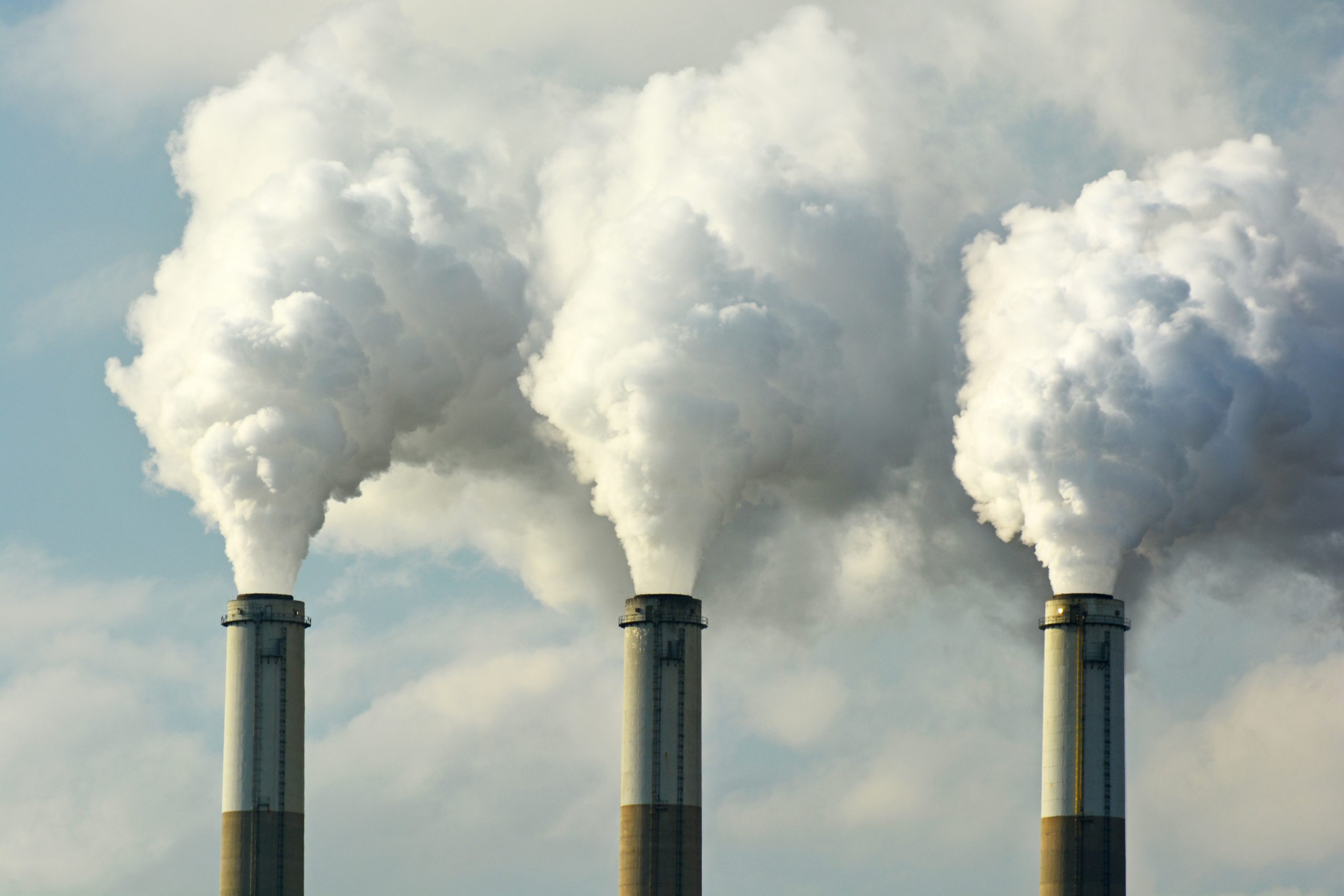
Beyond macroeconomic figures and corporate disclosures, the scorecard highlights tangible public health consequences tied to private equity-backed extraction sites, coal-fired facilities, and liquefied natural gas infrastructure in the United States. Air pollution originating from these facilities is linked annually to at least 1,000 premature deaths, 1,400 additional emergency room visits, 584,000 separate instances of asthma symptoms, 3,700 new cases of asthma onset, and 27,000 lost workdays.
Matt Parr, communications director for PESP, emphasized the lack of transparency surrounding these financial structures. This industry doesn’t get enough scrutiny and credit for its contribution to global emissions,
Parr said, describing the operations as a very opaque business model.
Analysts warn that complex ownership chains obscure accountability, leaving local communities and regulatory bodies struggling to determine who ultimately profits from the infrastructure driving local pollution.
Financial Returns and Investor Realities for Completed Oil and Gas Funds
The scorecard also evaluates the financial performance of 145 private equity oil and gas funds that have largely completed their investment lifecycles. Investors contributed a combined $190.4 billion to these funds and received $192.9 billion back, resulting in a median fund return of just 2% over capital contributions. After accounting for inflation, many investors actually lost money on average.
“The financial results make the situation even heavier to justify. Many of these oil and gas funds have failed to generate strong returns for the pensions and other investors financing them, while private equity firms continue collecting fees. Communities and pension beneficiaries carry the costs, and the private equity firms still get paid.”
Amanda Mendoza, Senior Research and Campaign Coordinator at the Private Equity Stakeholder Project
With the release of the third edition scorecard—endorsed by 21 organizations focusing on environmental justice, consumer advocacy, and financial accountability—researchers have deployed an interactive global asset map tracking infrastructure by firm, portfolio company, and location.
Worth a look

CBA Workers Sign Petition Demanding Better Pay Amid Record Profit
Thousands of Commonwealth Bank of Australia workers have signed a petition demanding better pay and conditions, calling the...
England And Wales Pubs And Shops Permit Digital ID Apps For Age Verification
Pubs and shops across England and Wales can now accept government-approved digital ID apps for age verification under...

Register of British Slave Traders Details 10,500 Investors
New research from a three-year specialist project has published the Register of British Slave Traders, documenting biographical details...

Trump Says US Should Have World’s Lowest Interest Rate Ahead of Fed Meeting
President Donald Trump declared on September 13, 2026, at the Irish Open in Doonbeg, Ireland, that the United...