Concurrently, California officials have declared a state of emergency, mobilizing emergency supplies, flood-fighting equipment, and National Guard logistics to prepare for historic storms.
A Global Surge in Heat and Mortality Projections
The El Niño event currently heating up the planet burst through the highest temperature ever recorded for the phenomenon on Monday, several months before its expected peak. Climate scientists have called the heat so much greater than previous events that it is mind-blowing and Godzilla-level.
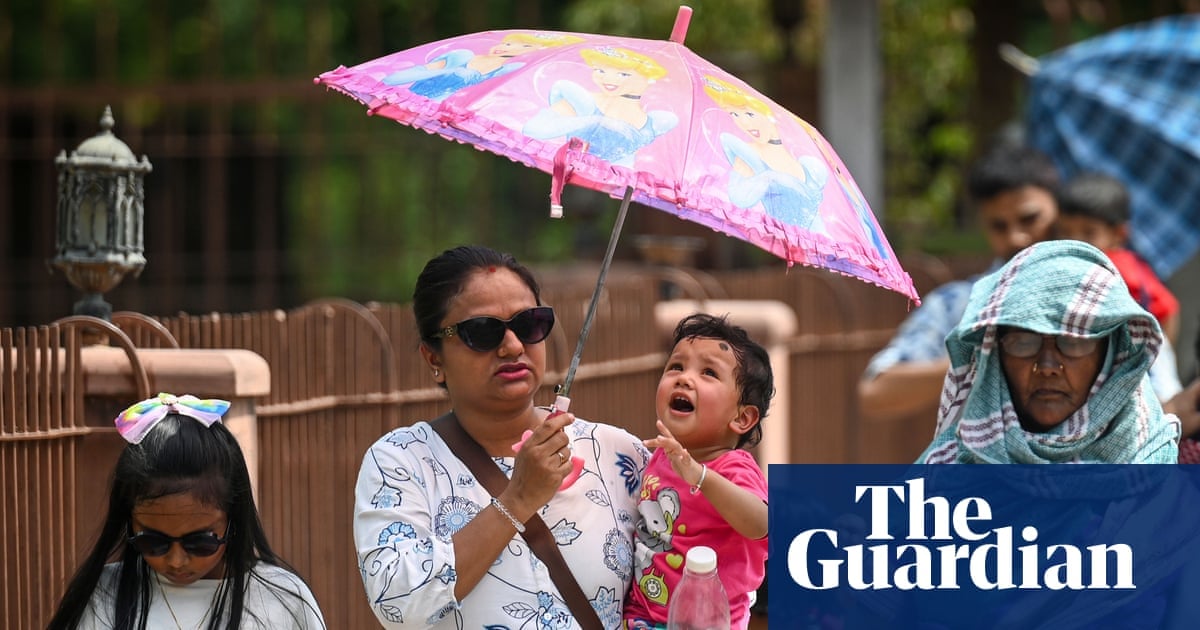
Researchers project that more than 450,000 people are projected to die from the additional heat brought by the super El Niño in the next six months, according to estimates by climate scientists. This projected toll is on top of the early deaths resulting from temperatures already driven up by the climate crisis. The impacts will strike across the globe, from Indonesia to India, and Nigeria to the US, with many further deaths expected from the droughts, wildfires and flooding that El Niños bring.
“The estimate of 451,000 people is such a large number that it can be numbing, but it is made up of parents and children, grandparents and neighbours, people going to work, caring for families, and living their lives,” said Prof Michael Greenstone, co-founder of the Climate Impact Lab and at the University of Chicago, who co-authored the report.
The US is in the top 20 most affected nations, with 3,500 projected additional heat deaths. More broadly, the Sahel region in Africa and south-east Asia are heavily affected, alongside tropical nations like Nigeria, Indonesia, Sudan, India and Brazil. The estimate of deaths is for the period September to February 2027, which is when current temperature forecasts end, though elevated levels of heat deaths are expected to continue until June or July 2027.
Emergency Mobilization and Flood Preparedness in California
In California, state leaders have mobilized resources to confront the threat of severe winter storms, coastal flooding, and debris flows.
Federal forecasters say El Niño is strengthening, with a greater than 90% chance of a very strong event this fall and winter and a 75% chance it could reach historic strength. In response, a study published in the journal Science last month found El Niño events are now more than 36% stronger than before the industrial era, with this trend accelerating over the last 40 years as the planet warms. Governor Newsom proclaimed a state of emergency to mobilize state resources and streamline procurement for anticipated impacts like strong storms and coastal flooding.
Caltrans will stage traffic-control, road-closure, and snow-removal equipment along the highways most at risk, while the California National Guard is prepared to support flood response, search-and-rescue, engineering, and logistics missions. State environmental and natural resources agencies will support local efforts by fast-tracking permitting and cutting red tape.
“We are not waiting for this season’s storms to be on our doorstep,” said Cal OES Director Caroline Thomas Jacobs.
“California is already taking steps now to protect communities from a potentially historic El Niño because we know how serious these weather extremes driven by climate change can be,” said California Natural Resources Secretary Wade Crowfoot.
Long-Term Climatic Implications and Mitigation Strategies
Researchers describe the current extreme weather event as a postcard from our future, pushing up temperatures to the level the climate crisis is projected to deliver in 20 years’ time. The projections were made using peer-reviewed methods tracking the month-by-month relationship between temperature and additional heat deaths across 24,378 regions globally, using a baseline of the average month from 1996 to 2025.
“People have been able to forecast when there’s going to be shocks to crops, and give advance warning of that,” said Greenstone. “This new report is opening the door to being able to do it for an even more important outcome – I would say the most important outcome – which is death.”
Photo: CA
Experts emphasize that actions such as better heat forecasts, cooling centres where people can shelter, increased staffing for medical facilities at the hottest times and protections for outdoor workers can save many lives this year.
“Increasing emergency response and better targeting our efforts can save many lives this year,” said report co-author Dr Tamma Carleton at the University of California, Berkeley. “But 20 years from now, once today’s extreme temperatures become the new normal, we don’t want to be in a constant state of emergency.. We need to mobilise now to design, deploy and evaluate the tools that will save lives in the years ahead.”