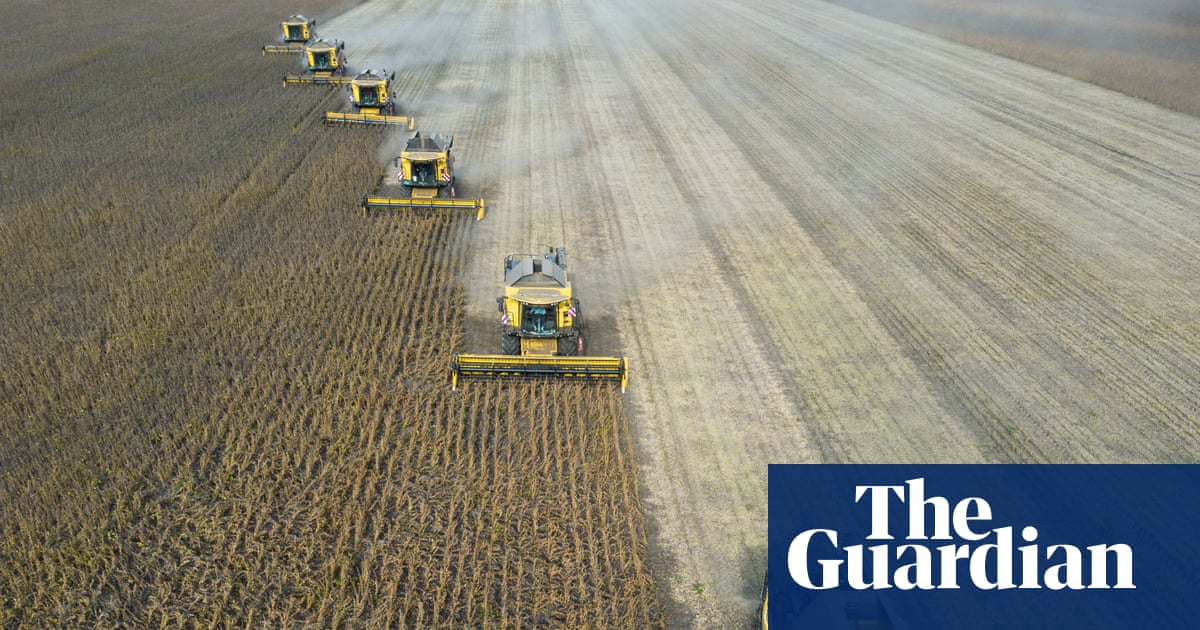
Economists are warning that a “super” El Niño weather cycle is expected to cause a significant shock to global food prices, with projections suggesting a 15.8% surge in commodity costs by the second half of 2028. This potential inflationary spike arrives as households worldwide face existing financial pressures, raising concerns among central banks regarding the necessity of maintaining elevated interest rates.
The Mechanics of a “Super” El Niño
The current weather cycle, informally referred to as a “super” or “Godzilla” El Niño, is characterized by changes in wind patterns that allow warmer water to spread across the central and equatorial Pacific. Additionally, there is a 63% probability that sea surface temperatures will exceed 2C above normal later this year. While El Niño is a naturally occurring phenomenon, scientists note that the 2026-27 event has a historically unprecedented chance of fueling extreme heatwaves, flooding, and stormier weather. Analysts at UniCredit described the situation as bringing “climateflation” back to the agenda, noting that the climate baseline has shifted and El Niño serves to amplify the effects of global warming.

Supply Chain Shocks and Economic Stakes
The projected 15.8% increase in food commodity prices, forecasted by analysts at Goldman Sachs, is not expected to be immediate. The full impact is likely to take until the second half of 2028 to be “fully realized” due to the time required for climate impacts to percolate through global supply chains. These delays are attributed to the varied planting, growing, and harvesting cycles of different crops, as well as logistical challenges such as fluctuating water levels in canals and rivers used for shipping. The current economic outlook is further complicated by the ongoing war in Iran, which has already pushed global food prices to their highest level in three years.
Regional Impacts and Humanitarian Concerns
El Niño does not affect agriculture uniformly, creating regional winners and losers. Current data indicates that parts of India have received only 25% to 50% of their normal rainfall, threatening supplies of wheat, rice, and sugar cane. Humanitarian organizations are highlighting the disproportionate impact this climate event will have on vulnerable populations. Walter Mwasaa, regional director for CARE International in East and Southern Africa, emphasized that the weather cycle should be viewed as a “women’s health problem.” In regions like Somalia, Ethiopia, Kenya, and Tanzania, the combination of extreme weather and significant foreign aid cuts has already led to the closure of health and nutrition centers. CARE International reports that its regional budget is expected to fall from approximately $250 million in 2024 to $140 million for the 2027 financial year. This reduction in resources hampers efforts to graduate countries from food relief toward market access and climate-resilient farming, leaving women and children particularly exposed to malnutrition and health crises.

Historical Context and Variability
While the term “super El Niño” creates significant anticipation, historical data suggests that the weather impact is not guaranteed to be consistent. Records since 1950 show that while some very strong El Niño events, such as those in 1982-83 and 1997-98, resulted in record-breaking precipitation in areas like California, others have been “letdowns.” Factors such as the specific location of the warm water pool in the Pacific—sometimes referred to as El Niño Modoki—and interactions with other ocean oscillations can dictate whether a region experiences drought or heavy rainfall. Despite this variability, the severity of the current forecast and the compounding pressure of global inflation underscore the significant risks facing the global food supply network through 2028.
Find more reporting in our Health section.
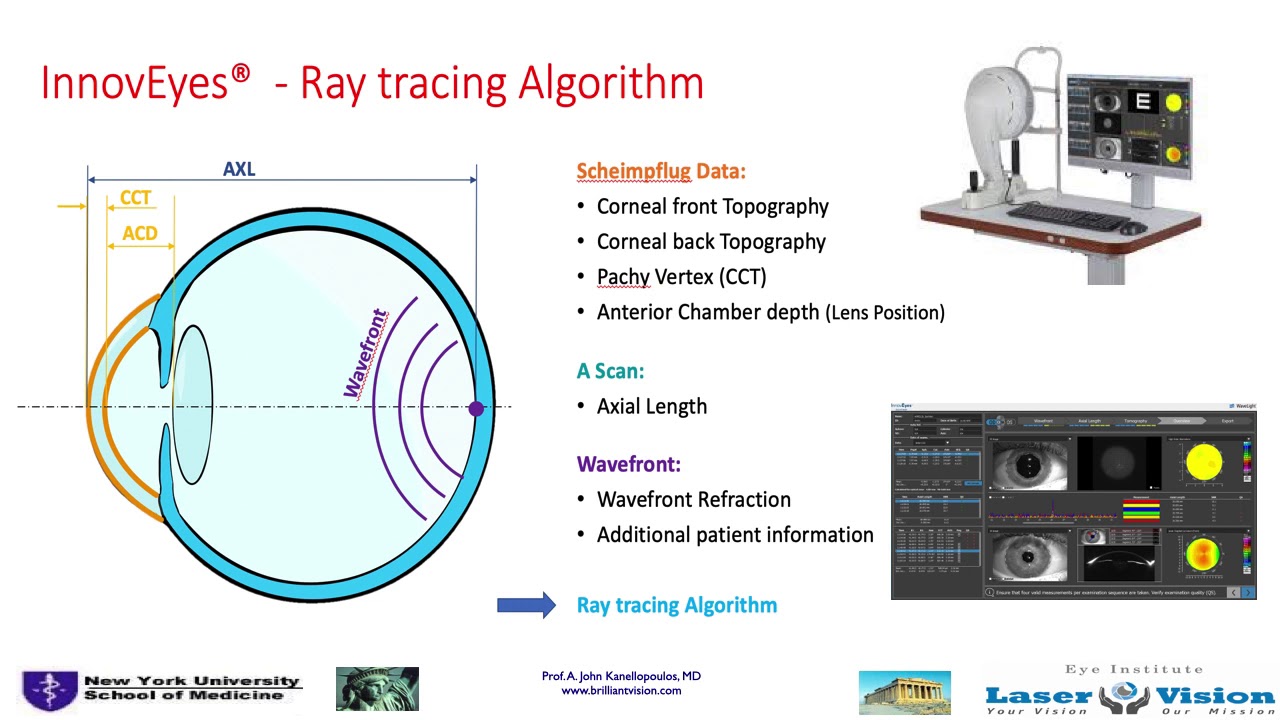
Stanford Trials Ray Tracing-Guided LASIK in Nearsighted Patients
Stanford Eye Laser Center is conducting a prospective, randomized research trial comparing ray tracing-guided LASIK to wavefront-guided LASIK...
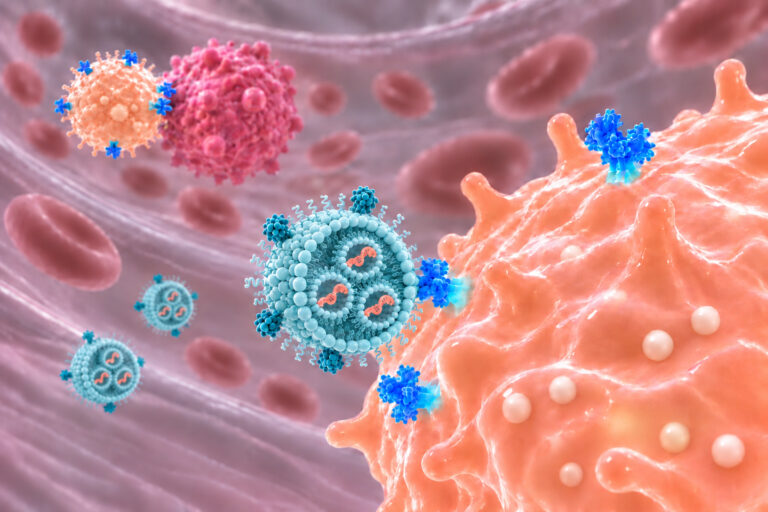
PPARD Activated in Immune Cells Becomes Cancer-Fighting Tool
Researchers at Cold Spring Harbor Laboratory and the Massachusetts Institute of Technology have discovered that the lipid-sensing transcription...

Salk Institute Finds SRF3 Protein Restores Plant Iron Balance
Researchers at the Salk Institute discovered on October 14, 2026, that the plant protein SRF3 repairs cellular iron...

Vatican announces Pope Leo XIV has lung cancer after successful surgery
Pope Leo XIV underwent successful surgery at Rome’s Gemelli Hospital to remove a cancerous nodule from his right...