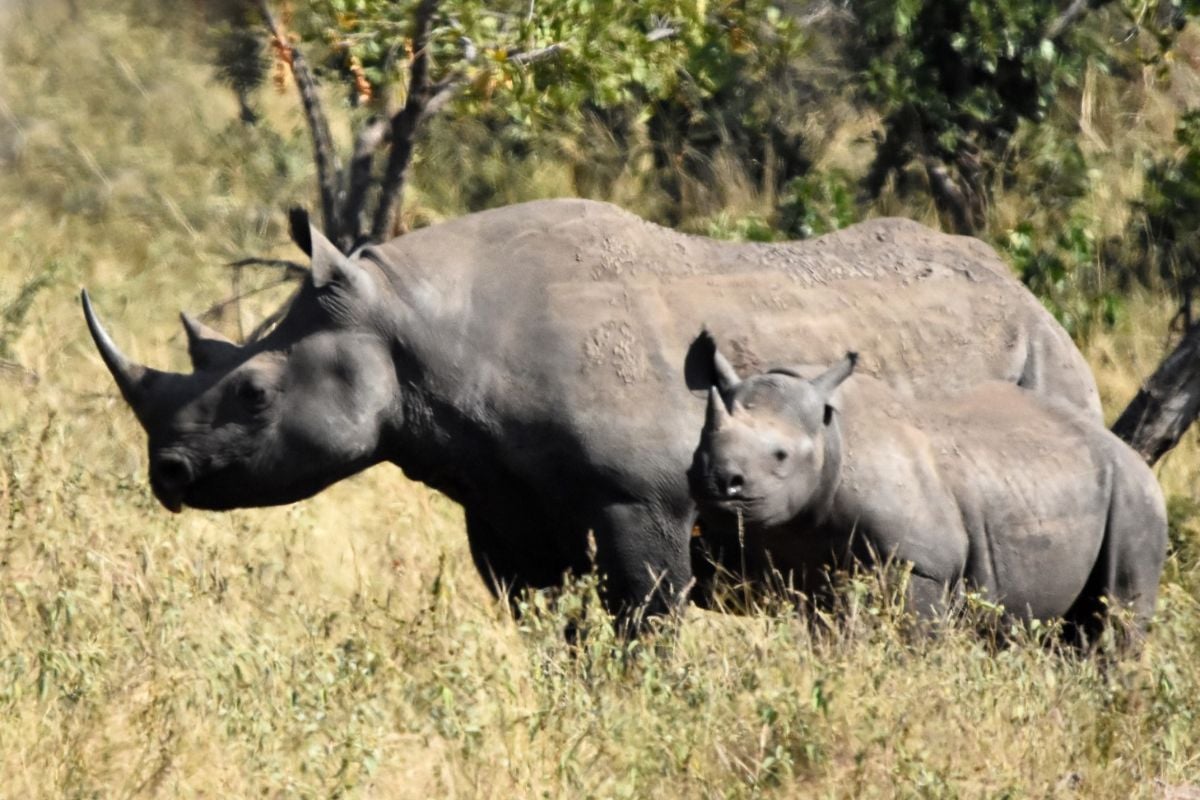
Twenty critically endangered black rhinos were translocated from KwaZulu-Natal to a remote, secure reserve in Botswana in early September. The cross-border conservation effort, which effectively doubles Botswana’s black rhino population, was completed through a partnership between Ezemvelo KZN Wildlife and the World Wide Fund for Nature.
The operation marks a major milestone for regional wildlife management, effectively doubling the recipient nation’s estimated black rhino population from twenty-five to approximately forty-five animals. Prior to the cross-border move, Botswana’s numbers had suffered major losses due to poaching pressures centered around the Okavango Delta region, with the International Rhino Foundation noting that only about 25 remained before this latest translocation.
Logistics and Quarantining the Animals
The rhinos were captured in KwaZulu-Natal during June and spent a mandatory quarantine period held within bomas before embarking on the journey north.
To protect the newly introduced animals from ongoing poaching threats, the specific destination has been kept strictly confidential from the public.
Ezemvelo and WWF Range Expansion Strategies
The translocation was organized under the Black Rhino Range Expansion Project, a collaborative initiative between the World Wide Fund for Nature and Ezemvelo KZN Wildlife that has operated since 2003. This endeavor marks only the second time the project has executed a cross-border translocation, following a 2019 initiative that moved rhinos to Liwonde National Park in Malawi.
Finding suitable, expansive habitat with sufficient security and management capacity has grown increasingly difficult within South Africa’s borders. By establishing new populations in neighboring range states, conservationists aim to create insulated breeding nuclei that can eventually expand outward into surrounding habitats.
We’re proud to be driving this milestone project, which helps ensure the survival of the critically endangered black rhino, working with partners such as WWF.
Ezemvelo CEO Sihle Mkhize, via Citizen
The animals selected for the transfer were brought together from multiple reserves to intentionally assemble a genetically diverse founder group. Under the custodianship agreements governing these newly created populations, conservation partners monitor the animals closely, with individual calves born on the reserve either allocated back to Ezemvelo or integrated into the local management framework over a multi-year timeline.
Broader Regional Security and Future Outlook
While targeted interventions such as dehorning, increased police cooperation, and modern surveillance technologies have helped mitigate losses, project lead Jeff Cooke warns in accounts published by ECR that dehorning is not a sustainable long-term solution. Conservation leadership stresses that protective measures alone cannot secure the species’ long-term future, and that animals must be given the space and resources they need to breed.
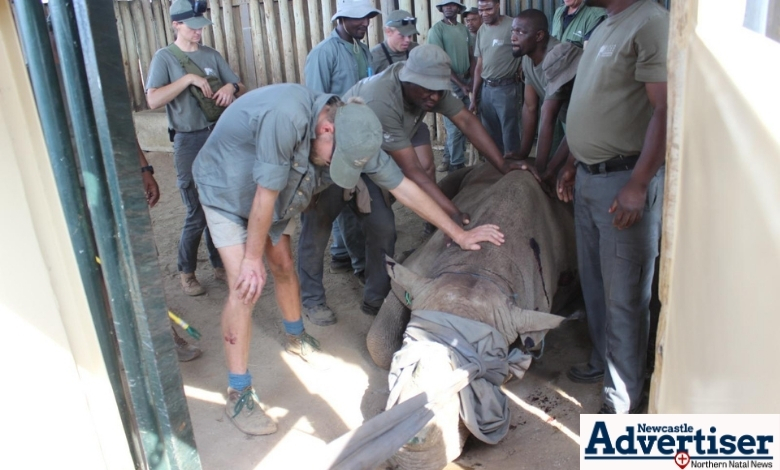
South Africa’s Department of Forestry, Fisheries and the Environment recorded at least 2,565 black rhinos nationwide at the close of 2025, alongside 230 poaching incidents between January and August 2026. Against that backdrop, moving twenty animals to Deception Valley Private Reserve in Botswana illustrates how strategic regional collaboration can directly alter the survival outlook for a critically endangered species.
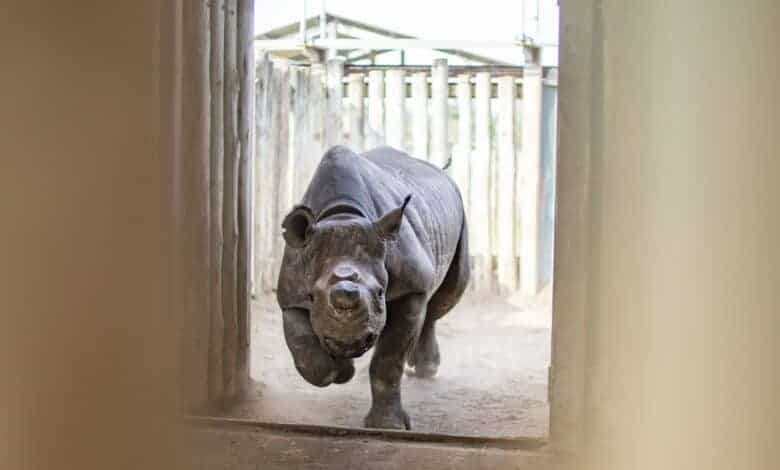
“Our thanks go to the South African and Botswanan governments, Ezemvelo KZN Wildlife, our funding and donor partners and the recipient site owners, all of who have played a vital role in making this initiative a success.”
WWF South Africa CEO Dr Morné du Plessis, via The Citizen
With the twenty animals now settled into their remote sanctuary as detailed by ECR, project leaders anticipate that the new sanctuary will function as an incubator, helping rebuild regional black rhino numbers and safeguarding the species against extinction for future generations.
Keep reading

SEAIT Student Expelled, Charged Over Online Firearms Threat
A college student from Lambayong, Sultan Kudarat, was expelled and charged with grave threats under the Cybercrime Prevention...
Judge Orders Trump to Restore Access for CNN, MS NOW, and Politico
A federal judge temporarily blocked President Donald Trump’s ban of CNN, MS NOW, and Politico from the White...
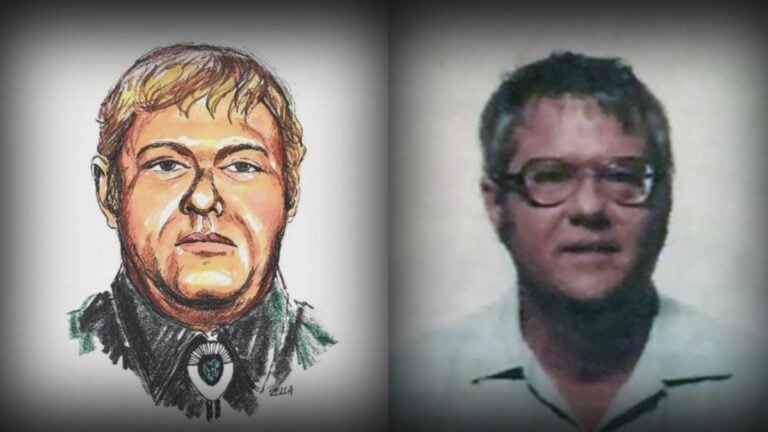
Idaho Cold Case Solves Identity of 1982 Cyanide Suicide Victim
Idaho investigators have identified a man found dead of cyanide poisoning in a Boise church in December 1982...

Trump Administration Defends White House Ban on Three News Organizations
The Trump administration defended its ban on three major news organizations before a Washington courtroom Wednesday, arguing in...