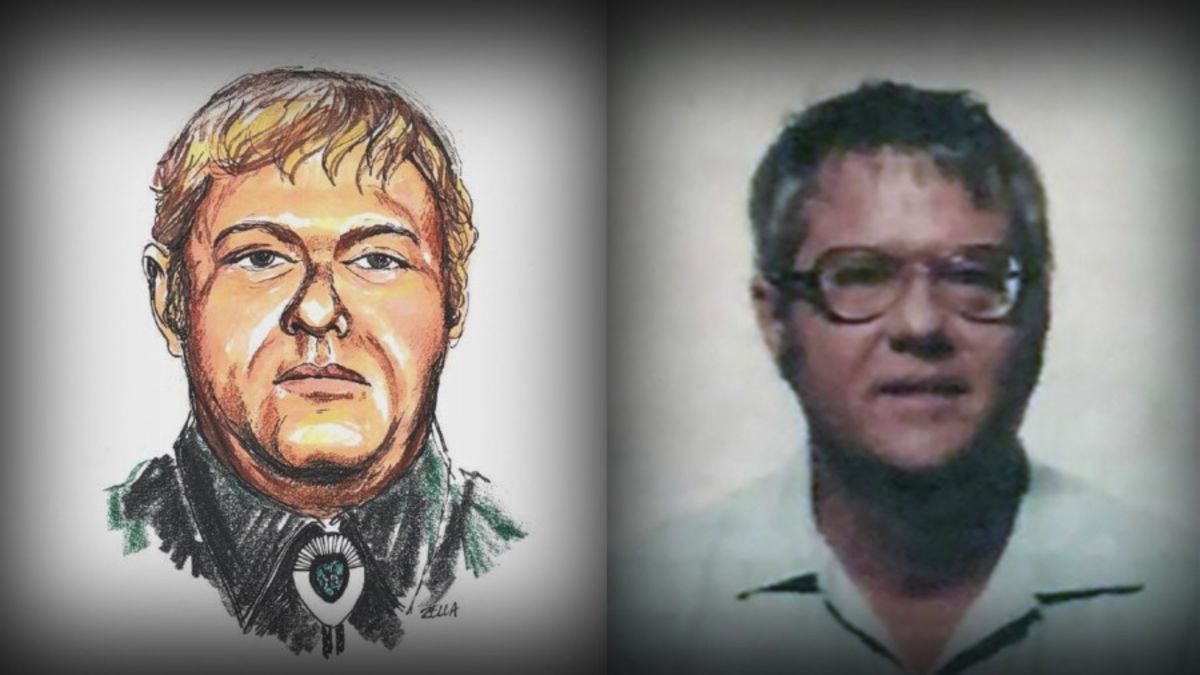
Idaho investigators have identified a man found dead of cyanide poisoning in a Boise church in December 1982 as chemist Dr. Mathew Francis Betkouski. Officials are examining whether he could be linked to the infamous Chicago Tylenol murders, though no evidence places him in Illinois during the September 1982 poisonings.
A cold case that baffled Idaho authorities for over four decades has resurfaced with potential national implications. The Ada County Sheriff’s Office announced the posthumous identification of a man historically referred to as the unknown wanderer
, who was discovered dead under a church pew at Sacred Heart Catholic Church in Boise on December 4, 1982, after taking his own life inside the church.
How Investigators Tracked Down Dr. Mathew Francis Betkouski
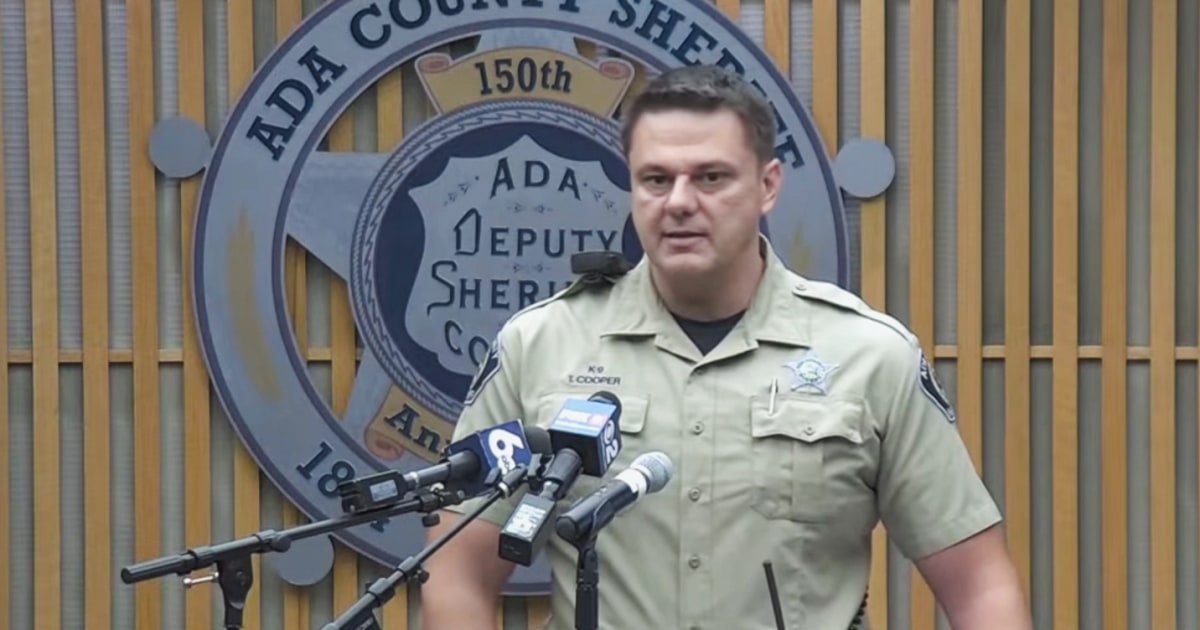
For decades, the dead man’s identity remained a mystery. His fingerprints matched no records locally or with the Federal Bureau of Investigation, and he had taken intentional steps to conceal his identity, including using dye in his hair according to the sheriff’s office. The breakthrough arrived through meticulous cold case work led by Ada County Sheriff’s Detective Tim Cooper, who reopened the file in 2019.
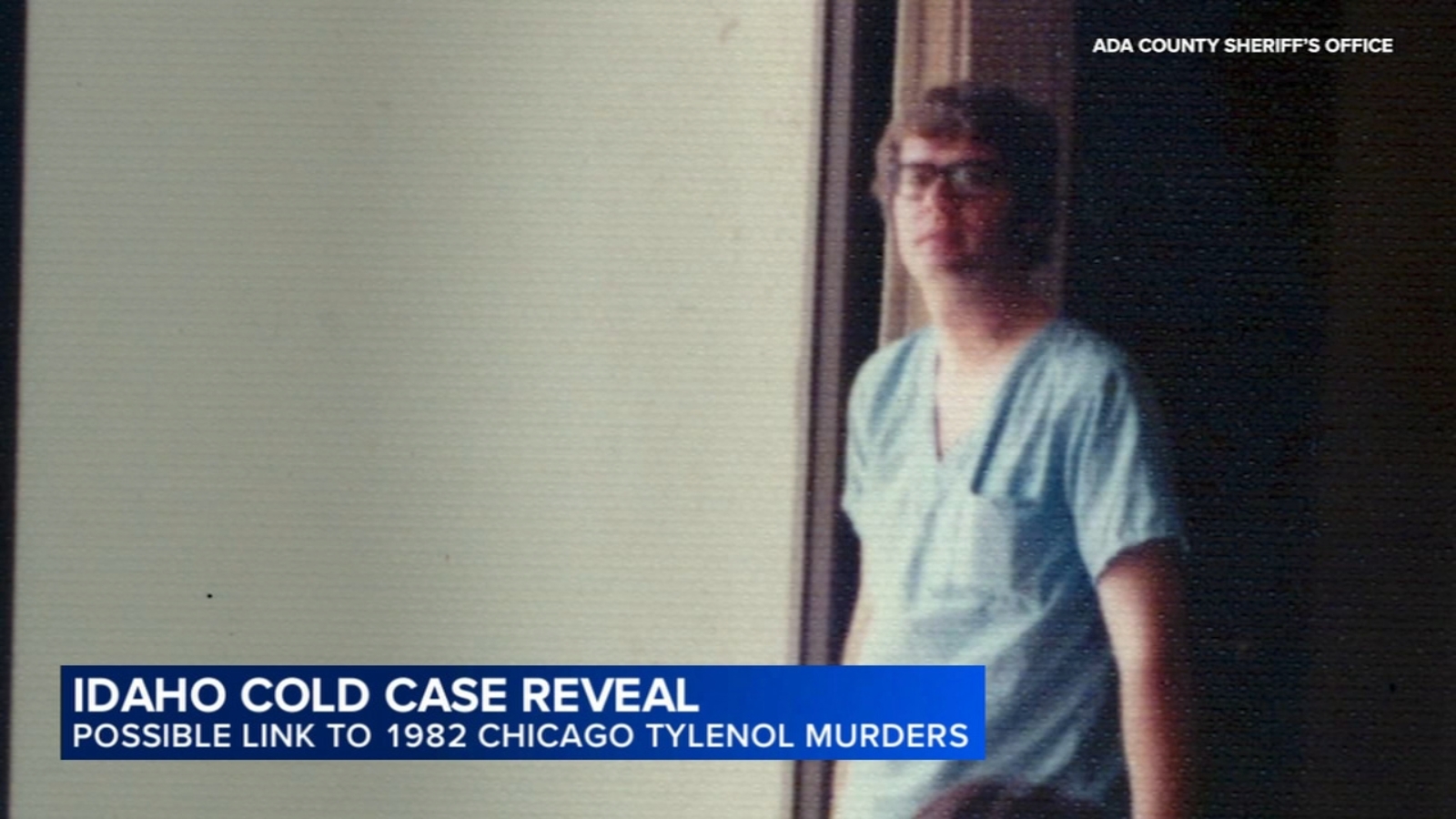
Investigators traced the man using a property deed related to an engraved key found on his body—an item famously featured in a 1990 episode of Unsolved Mysteries. That key led to an address in Jacksonville, Florida, where property records showed Betkouski had been registered. Officials eventually utilized a DNA swab from his brother to confirm his identity as Dr. Mathew Francis Betkouski, a chemist who came from a prominent Los Angeles family whose grandfather served as interim mayor.
Examining the Potential Tylenol Murders Connection
The timing of Betkouski’s suicide—just three months after the Chicago-area Tylenol poisonings in late September 1982—prompted detectives to investigate a possible cross-country link. Seven people died across the Chicago metro area after ingesting Extra-Strength Tylenol capsules laced with deadly poison, an atrocity that ushered in tamper-evident child safety caps for medications nationwide.
Ada County investigators recovered several items from Betkouski’s former belongings, including a map of Chicago, photographs of Betkouski visiting the city in December 1981, and personal writings. Detectives also uncovered a small bottle of homemade sodium cyanide in his belongings. However, law enforcement noted a crucial chemical discrepancy: the Chicago poisonings utilized potassium cyanide, whereas Betkouski possessed and used sodium cyanide.
Workplace Warning Signs and Volatile Behavior
Detectives highlighted Betkouski’s professional background and documented history of mental illness as key reasons for examining his background. He suffered a traumatic brain injury in 1974, which acquaintances said caused his problems to manifest in increasingly concerning ways.
Co-workers reported Dr. Betkouski discussing the perfect crime.
Tim Cooper, Ada County Sheriff’s Detective, via ABC7 Chicago
While employed at a facility in New Mexico, Betkouski reportedly made similar comments about how poison could be introduced into over-the-counter capsules if a person wished to do so. Despite these statements, authorities have found no evidence placing Betkouski in Illinois during the critical week in September 1982 when the murders occurred.
Skepticism from Prosecutors and Law Enforcement Agencies
While forensic psychiatrist Dr. Park Dietz expressed belief that Betkouski could be a viable suspect following a case review, veteran investigators on the original task force voiced strong doubt. Jeremy Margolis, a former Illinois State Police director and prosecutor who worked closely on the Tylenol Murders task force, dismissed the connection entirely.
Both the Chicago Police Department and the Arlington Heights Police Department confirmed they received and reviewed the investigative files from Idaho. Neither department named Betkouski as a suspect, emphasizing that the Tylenol murders remain an active, open cold case.
Worth a look

Trump Administration Defends White House Ban on Three News Organizations
The Trump administration defended its ban on three major news organizations before a Washington courtroom Wednesday, arguing in...
Hochul Leads Blakeman 50-41% in New Siena Poll
Governor Kathy Hochul leads Republican challenger Bruce Blakeman 50% to 41% in a new Siena poll of likely...
Xi Jinping Arrives in Washington for Historic State Visit with Trump
The visit marks Xi's first trip to the United States in over a decade amid an expiring bilateral...
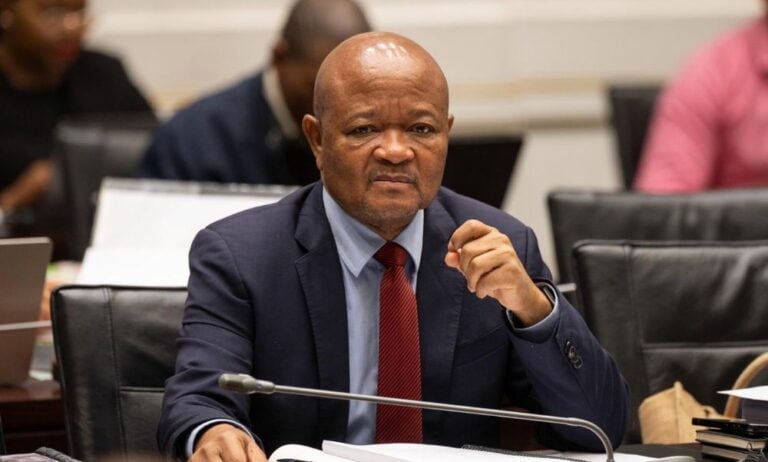
Police Seize Phones of Senzo Mchunu in Fraud and Defeating Justice Probe
Police seized cellphones from suspended Police Minister Senzo Mchunu after executing a Johannesburg High Court search and seizure...