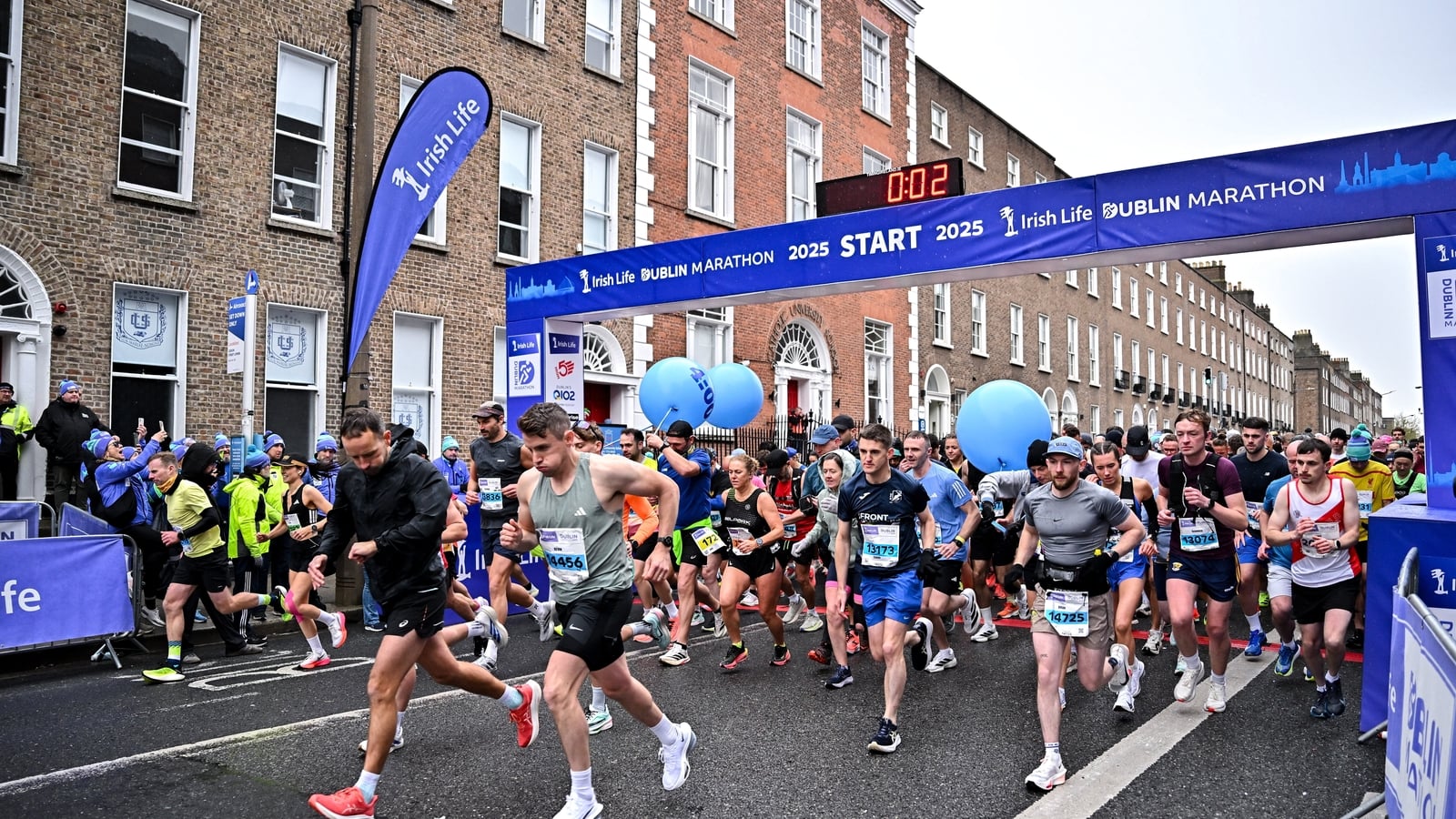
The Irish Life Dublin Marathon will increase its entry fee from €110 to €130 for next year’s race, marking the first price hike in five years. Organisers cited inflation between 18 and 20 per cent and rising staging costs, while also updating ballot rules to automatically refund the €4 entry fee to unsuccessful applicants.
Organisers confirmed that the entry fee for the marathon will rise by €20, pushing the cost to €130 for the 2027 race. The adjustment breaks a five-year freeze at €110, driven by escalating expenses across event infrastructure, security, medical staffing, and traffic management.
Financial Sustainability and Surging Staging Costs
I do want to acknowledge that we are fully aware that going from €110 to €130 is an increase, and that people are not going to be incredibly comfortable with that. But when we looked at our financial sustainability piece for the next number of years, and when we look at the cost of putting on the event, cumulatively over the last five years inflation has been somewhere between 18 and 20 per cent. We’re seeing a significant increase in costs across infrastructure, security, medical and traffic management.
Seán Ó Ríain, CEO of Dublin Marathon Group
The group’s operating surplus for the year dropped below €70,000, a steep decline from previous years. Ó Ríain noted that the reduced surplus stems directly from launching the new Dublin City Half Marathon and absorbing the heavy costs of managing a 42-kilometre course through the capital, alongside staging the marathon expo at the RDS Simmonscourt.

As a registered not-for-profit organisation, the Dublin Marathon Group maintains that all generated funds flow straight back into the event and its runner experience programmes. Alongside the flagship marathon, price adjustments are set for the 2027 Irish Life Dublin Race Series. The Irish Life Fingal 10k will cost €35, the Irish Life Frank Duffy 10 Mile will run at €40, and the Irish Life Dublin Half Marathon will be priced at €55.
Overhauling the Ballot and Refund Rules
The ballot system, which was introduced across all general entries to balance first-time runners against returning veterans, drew massive demand. Organisers logged a record 47,000 applications for the lottery-based ballot, far exceeding expected figures and securing 17,200 successful slots.
While the lottery required a €5 administration fee for processing and verification, unsuccessful applicants previously forfeited a €4 ballot fee. That policy drew criticism from runners. Responding to the feedback, organisers announced a complete policy reversal for upcoming races.

A ballot is necessary when you’ve got over 47,000 people looking for an entry. We knew it would be over 30,000 for sure, but 47,000 was probably a surprise. What was important to do at that stage was start to charge that ballot fee but when you’ve got more and more unsuccessful entrants, it becomes a bigger financial commitment. So this year, and going forward, we’ve made that decision to refund. We feel that it’s a fair process now where we make that refund, we think that’s what the customer wants and we’re here to do it.
Seán Ó Ríain, CEO of Dublin Marathon Group
Under the revised arrangement, unsuccessful applicants will automatically receive the €4 fee back, while successful runners will have the €4 amount deducted from their final marathon entry cost.
Capacity Limits, Crowds, and University Safety Experts
Ó Ríain pointed directly to urban infrastructure limits as the primary barrier to expansion.
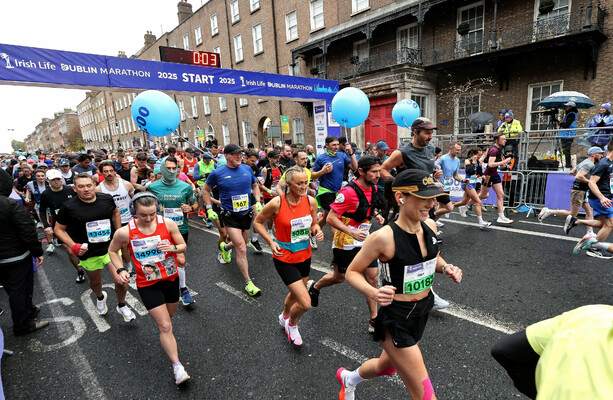
When you talk about capacity, you must look at health and safety. Dublin is a Georgian city, the gates at Castleknock are only so wide. We can only close the roads for so long. We bring specialists in around crowd safety and some of those specialists from Manchester University have been over looking at things.
Seán Ó Ríain, CEO of Dublin Marathon Group
Organisers announced that this year’s autumn race will return to live terrestrial television via a new partnership with TG4, marking the event’s first free-to-air broadcast appearance since 2011.
Transfer Windows and Race Series Timelines
Runners also secured administrative relief regarding race transfers. Following positive feedback, the official transfer window was extended to more than two months for the current event, and organisers confirmed that the expanded timeframe will remain in place for 2027.
Official transfer options are expanding to cover the Fingal 10k and Frank Duffy 10 Mile races, ensuring emergency medical and registration data remains strictly accurate across the entire series. For participants looking ahead to the next calendar cycle, entries for the 2027 Irish Life Dublin Race Series open in February 2027, beginning with the Fingal 10k on July 11, followed by the Frank Duffy 10 Mile on August 14, and the Dublin Half Marathon on September 19.
Keep reading

Czech Republic Returns to Wembley for Nations League Clash With England
The Czech Republic national football team is returning to north London for a Nations League Group A3 fixture...

Fehi Fineanganofo Delays Newcastle Move To Stay In NZ Through 2027 World Cup
All Blacks winger Fehi Fineanganofo has secured an agreement with New Zealand Rugby and English club Newcastle Red...

Vikings Trade J.J. McCarthy to Giants for 2027 Fifth-Round Pick
The Minnesota Vikings traded quarterback J.J.

Alexandra Eala Crushes Patcharin Cheapchandej to Reach Asian Games Quarters
Alexandra Eala began her 2026 Asian Games campaign in Aichi-Nagoya with a dominant 6-1, 6-0 victory over Thailand's...