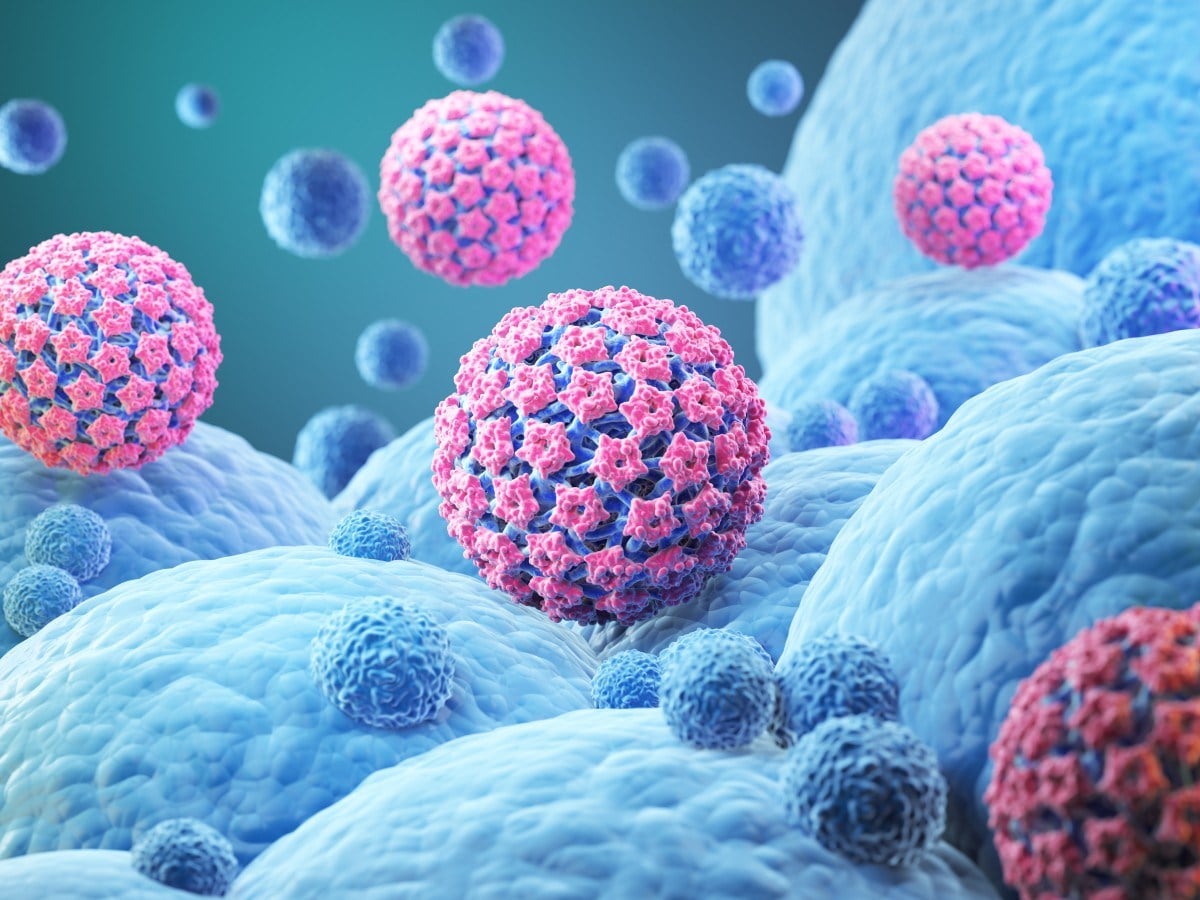
An estimated 2.3 million new cancer cases worldwide in 2024—representing about 12 percent of all new diagnoses—were caused by infections, according to a new study published in The Lancet Oncology. The research was conducted by scientists at the International Agency for Research on Cancer (IARC), an arm of the World Health Organization.
Global Study Links One in Eight Cancer Cases to Preventable Infections
Gary Clifford, a cancer epidemiologist and study co-author based in Lyon, France, stated that the findings highlight highly actionable risk factors. These are very actionable risk factors. We can test for them. We can vaccinate against them,
Clifford said, as reported by Scientific American. Researchers noted that the fraction of one in eight cancer patients is comparable to the proportion of lung cancer among all cancers in the United States.
Five Pathogens Drive the Majority of Infection-Linked Cancers
The comprehensive global analysis determined that a considerable proportion of these cases stem from just five primary infectious agents. The leading pathogen was the bacterium Helicobacter pylori, which was linked to approximately 760,000 cases globally, predominantly consisting of gastric or stomach cancer in eastern Asia.
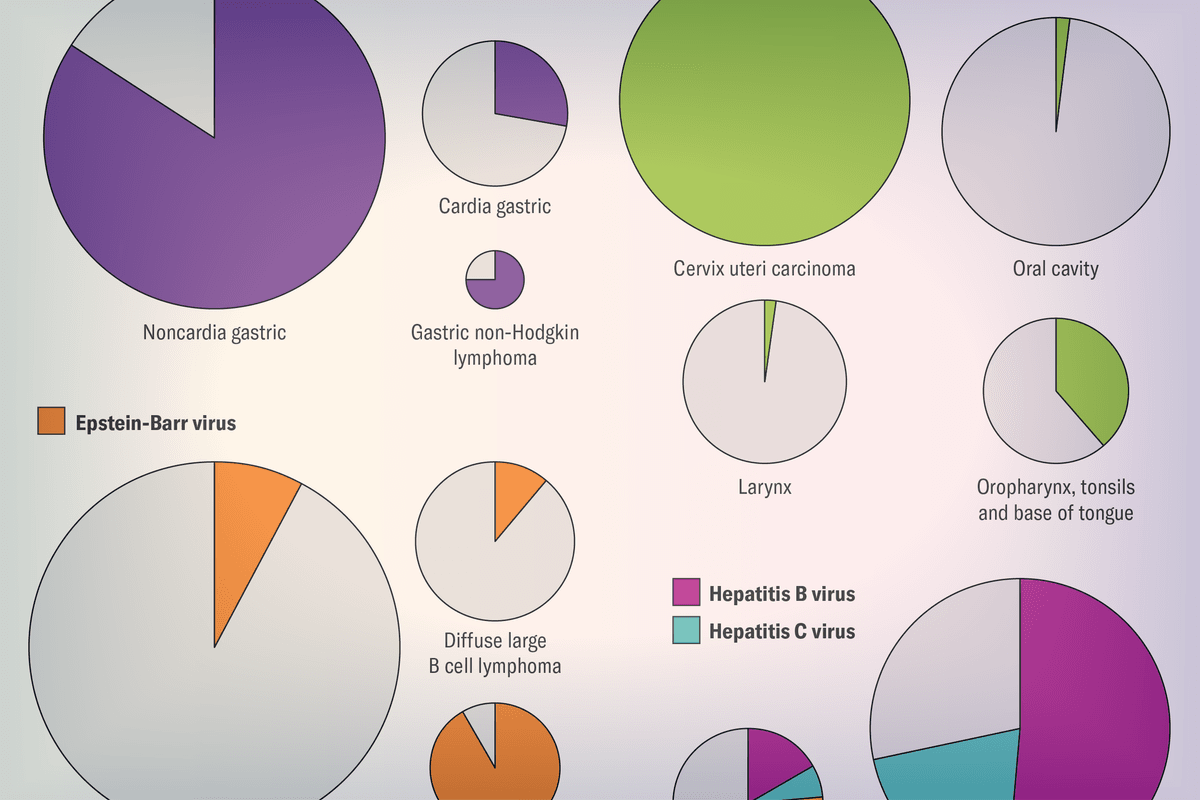
Human papillomavirus followed closely, accounting for nearly 750,000 new cases worldwide. HPV is responsible for 100 percent of cervical cancer cases as well as anal, vulvar, vaginal, penile, and certain head and neck cancers, with particularly high rates observed in sub-Saharan Africa. Hepatitis B virus was tied to about 360,000 cases, mostly involving liver cancer, while the Epstein-Barr virus was linked to roughly 260,000 cases—including nasopharyngeal cancer, certain gastric cancers, and Hodgkin lymphoma. Hepatitis C virus accounted for approximately 160,000 cases, largely consisting of liver cancer.
Expansion of Known Associations and Regional Disparities
The latest analysis expands upon previous research by incorporating 16 additional cancer types linked to infections and including additional infectious agents such as HIV and Merkel cell polyomavirus. For instance, researchers highlighted recent evidence connecting the Epstein-Barr virus to gastric cancer, a burden not counted in past assessments.
The global report also reveals vast regional disparities driven by historical differences, variations in infection prevalence, access to prevention and treatment, and broader social and economic conditions. While Eastern Asia carries a heavy burden of Helicobacter pylori and hepatitis B, sub-Saharan Africa experiences very high rates of HPV-related cancers alongside a substantial burden from HIV and Kaposi sarcoma-associated herpesvirus. Karl Munger, a professor of developmental, molecular and chemical biology at Tufts University, noted that while the IARC estimate is lower than some other analyses that suggest infection-associated cancers account for 15 to 20 percent globally, the finding remains significant because infections are frequently overlooked and underappreciated causes of cancer.
Prevention, Vaccines, and Public Health Challenges
Because many infection-associated cancers are preventable, health experts emphasize the importance of existing tools such as vaccines and antibiotics. The HPV vaccine, which was first introduced in the United States in 2006 and began in Australia in 2007, protects against multiple cancers. In Australia, HPV infections dropped by 90 percent among eligible adolescents since the program began, placing the country on track to eliminate cervical cancer by 2035, though recent declines in 15-year-old vaccination rates have raised concerns.
In Canada, where a 2019 study estimated the rate of infection-attributable cancers at four percent, childhood vaccination programs have driven steady declines in cervical cancer, though rates plateaued recently. Elizabeth Holmes, director of health policy at the Canadian Cancer Society, warned that meeting the goal of eliminating cervical cancer by 2040 depends on renewed declines in rates. Meanwhile, experts note that challenges remain for other pathogens, such as the Epstein-Barr virus, which lacks available tools or vaccines to fight against it despite being a key risk factor for multiple chronic diseases.
Worth a look
- Study Examines Environmental Drivers for 32 Emerging Infectious Diseases
- USF Health Identifies Brain Circuit Regulating Metabolism in Response to Cold
- Brain Organoid Study Links TSC2 Gene Mutation to Astrocyte Dysfunction in Tuberous Sclerosis (archyde.com)
- Sukhi and Kiranjit Ghuman face US extradition over cancer drug fraud (newsarchyuk.com)
Study Examines Environmental Drivers for 32 Emerging Infectious Diseases
Researchers have tested for a general, detectable anthropogenic fingerprint on the geographic distribution of human outbreaks across 32...

USF Health Identifies Brain Circuit Regulating Metabolism in Response to Cold
USF Health researchers identified a previously unknown brain circuit in the hypothalamus that regulates metabolism and appetite in...
Gut Bacteria Changes May Predict Type 2 Diabetes Risk Before Blood Sugar Rises
Researchers analyzing data from over 200,000 adults in the UK and US have identified hundreds of gut bacteria...

Pennsylvania Measles Outbreak Reaches 890 Cases Amid Federal Dispute
Pennsylvania health officials reported 55 new measles cases since Wednesday, bringing the state's total to 890 confirmed infections...