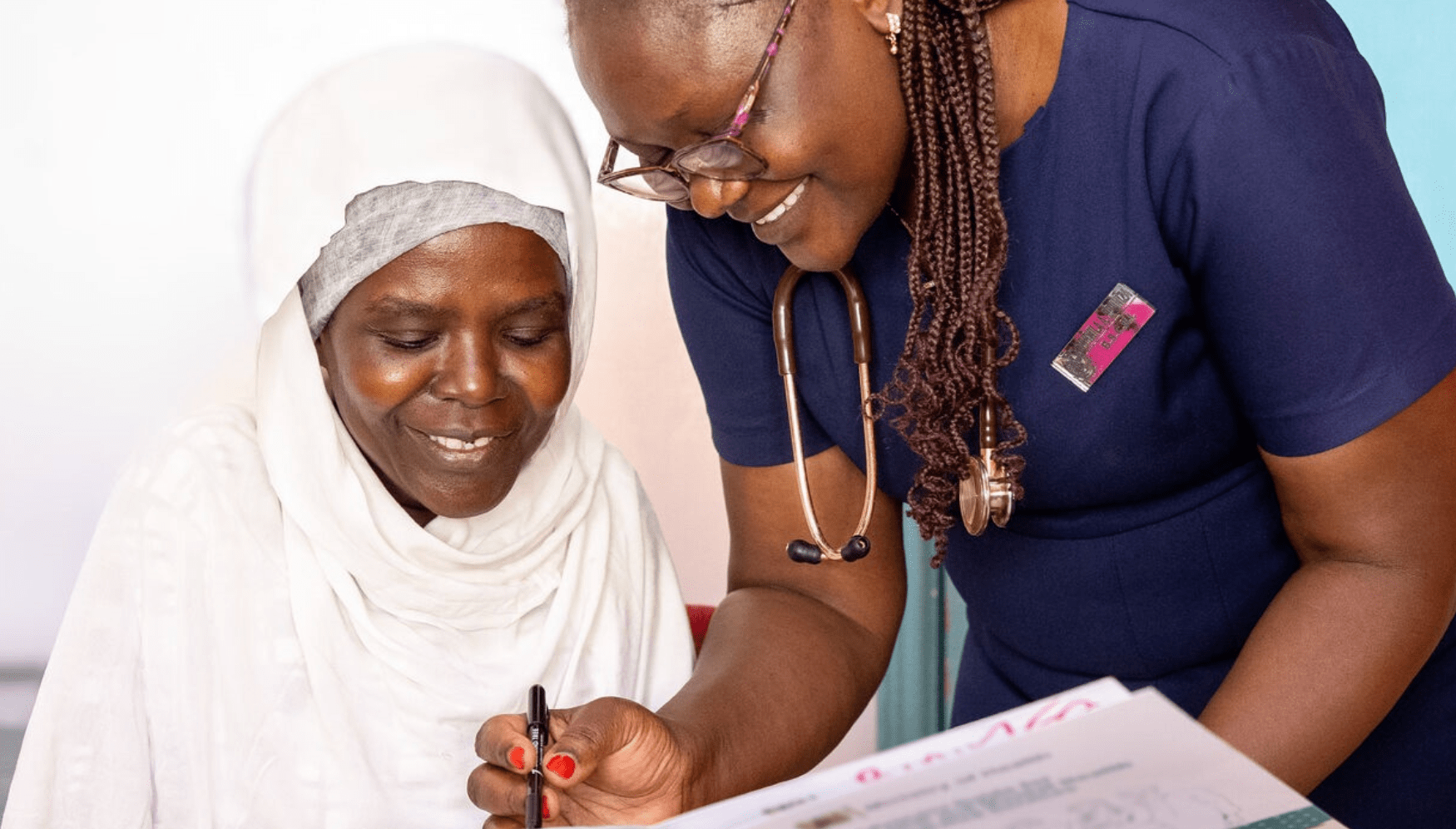
The annual number of global cancer cases is projected to rise to nearly 35 million by 2050, representing a 66.7% increase from 2024, according to the Global Status Report on Cancer 2026. Released by the World Health Organization (WHO) and the International Agency for Research on Cancer (IARC), the report warns that without urgent intervention to improve prevention, early diagnosis, and treatment, the physical, emotional, and financial toll of the disease will continue to mount.
Currently, cancer is the second leading cause of death worldwide after cardiovascular disease, claiming approximately 26,000 lives every day. There are an estimated 20.6 million new cases and nearly 10 million deaths annually.
Persistent Inequities in Survival and Access
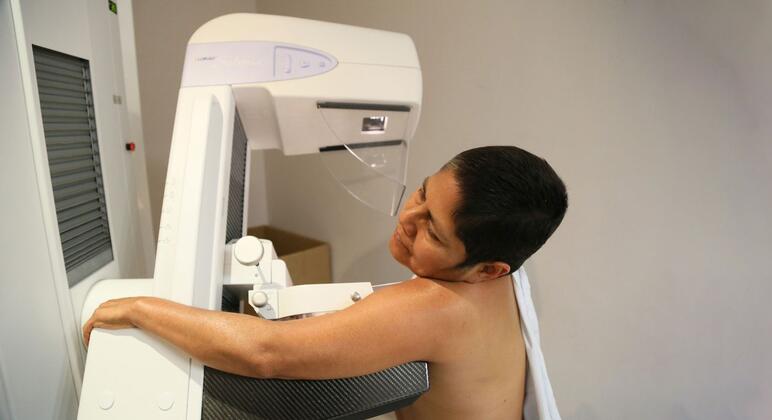
The report highlights that a patient’s chance of survival is often determined by their economic status and geographic location. These disparities are particularly evident in breast cancer outcomes: in high-income countries, 87% of women survive at least five years post-diagnosis, whereas that figure drops to approximately 42% in low-income countries.
Access to essential care remains restricted by both policy and supply gaps. Fewer than one in three countries currently include cancer care in their universal health coverage packages. Furthermore, in low- and lower-middle-income countries, the availability of the WHO’s top-20 priority cancer medicines ranges from only 9% to 54%, compared to 68% to 94% in high-income nations. In 23 countries, there are no radiation facilities available for patients.
“Whether a person survives cancer should never depend on where they were born or what they earn,” said WHO Director-General Dr. Tedros Adhanom Ghebreyesus. He emphasized that the documented inequities are “the consequence of choices” and can be reversed through unified action.
The Global Burden and Regional Variations

The impact of cancer varies significantly by region, often linked to population size and infrastructure:
* Asia: Accounted for the largest share of cases (50.7%) and deaths (56.5%) in 2024.
* Europe: Carries a disproportionately high burden, contributing 21% of global cases and 20% of deaths despite representing only about 9% of the world’s population.
* Africa and parts of Asia: Often experience lower incidence rates but disproportionately high mortality rates.
Lung cancer remains the leading cause of cancer death globally. Among men, the most common cancers are lung, prostate, and colorectal. Among women, the highest burden comes from breast, lung, and colorectal cancers.
Prevention as a Political Priority
Despite the grim projections, the report identifies a “silver lining” in global prevention efforts. Nearly four in ten cancer cases are linked to preventable risk factors, including tobacco use, infections (such as HPV, hepatitis B and C, and *helicobacter pylori*), alcohol consumption, high body-mass index (BMI), and physical inactivity.
Since 2010, tobacco use has declined by 27% worldwide, contributing to reductions in lung cancer in some regions. Additionally, 82% of countries now have national cancer control plans, a significant increase from 50% in 2010. However, experts noted that progress remains uneven. Dr. Isabelle Soerjomataram of the IARC noted that while prevention strategies for obesity are common in high-income countries, their implementation in low- and middle-income settings is significantly lower.
The Human and Financial Cost
The WHO conducted its first-ever survey of people affected by cancer, revealing the deep social and economic impact on households. Key findings include:
* At least 45% of patients experience financial hardship.
* More than half report struggling with mental health challenges.
* Nearly all caregivers report significant strain, including the burden of unpaid care and social isolation.
In some regions, the stigma surrounding a cancer diagnosis can be as deadly as the disease itself. Patient advocates reported that in certain settings, the fear of losing a breast to surgery leads some women to choose death over life-saving mastectomies.
“For years, the story told about cancer has been about scientific progress, new technologies, new treatment, new hope,” said Dr. Andre Ilbawi, WHO team lead for cancer control. “That story is true, and it deserves to be told, but it’s not the whole story.” The WHO is now calling on the global community to “value care as highly as cure” by ensuring that cancer services are funded and accessible from the point of prevention through to treatment and support.
Find more reporting in our News section.
Pakistan Imposes Emergency and Governor’s Rule in Khyber Pakhtunkhwa
Pakistan declared a state of emergency in Khyber Pakhtunkhwa on Sunday, October 11, 2026, suspending the provincial government...
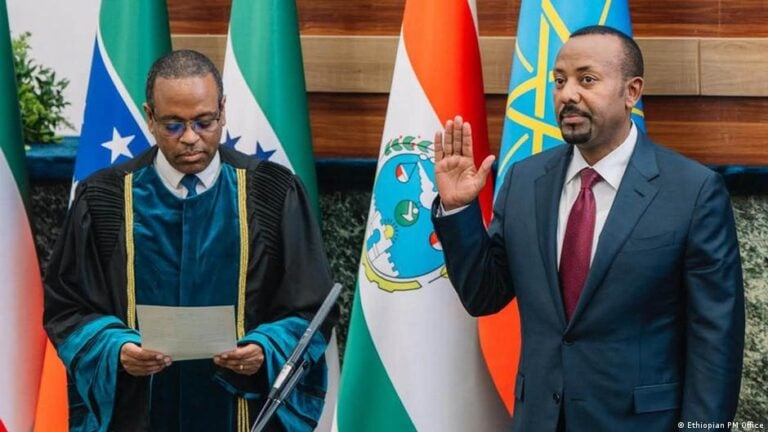
Abiy Ahmed Sworn In as Prime Minister With Focus on Red Sea Access
Prime Minister Abiy Ahmed was sworn into a new five-year term on Monday, October 5, 2026, following his...
Pope Leo XIV Rejects Death Penalty as Attack on Human Dignity
Pope Leo XIV has rejected the death penalty as an attack on human dignity, posting on X that...
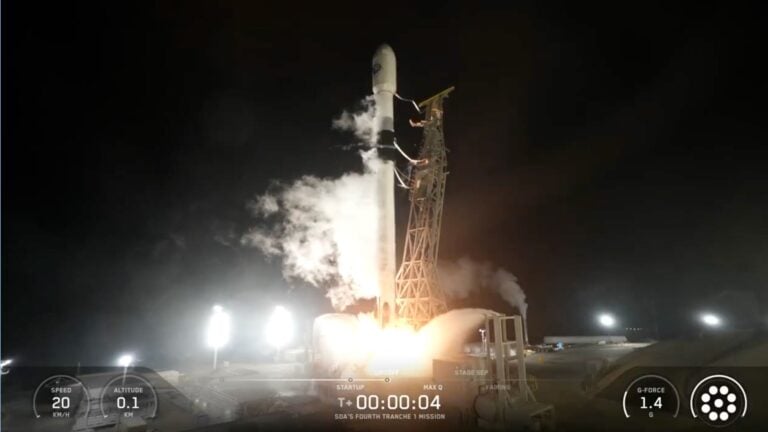
SpaceX Launches 21 U.S. Space Force Satellites After Delay
Following a five-day delay from an earlier countdown abort, a SpaceX Falcon 9 rocket successfully launched 21 data...