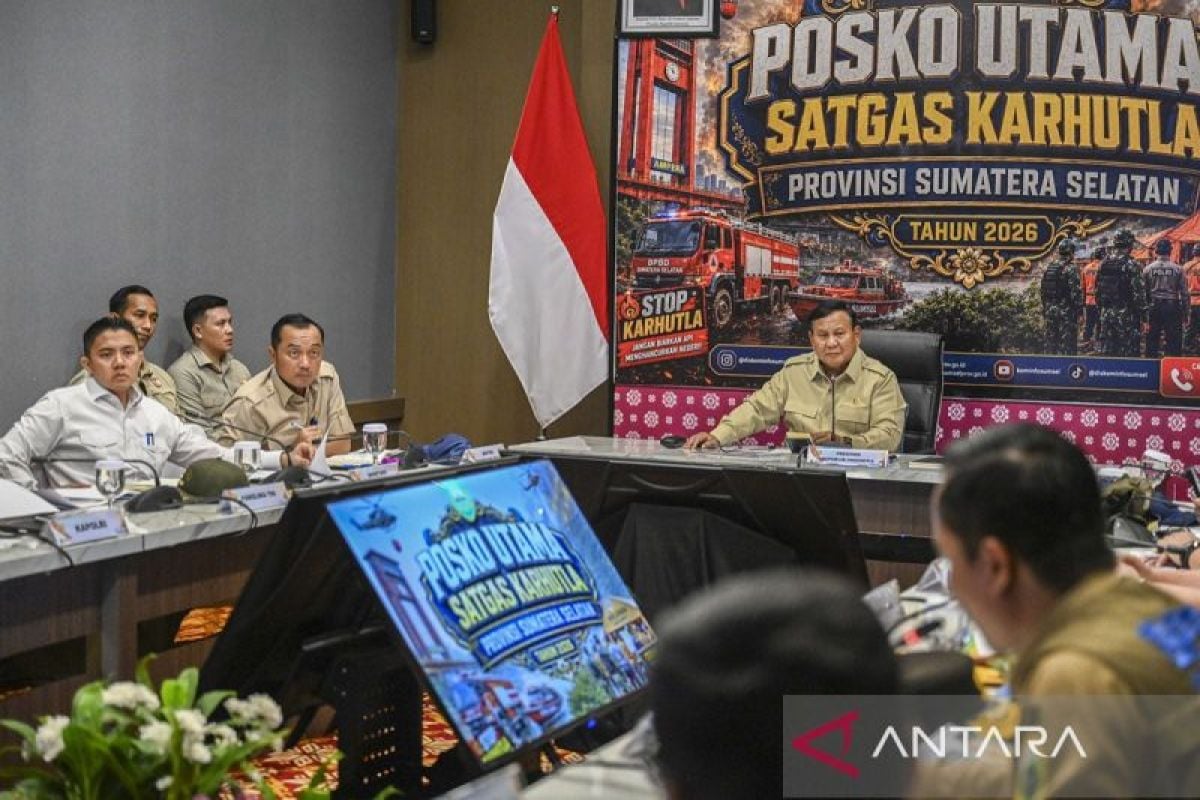
Indonesian authorities are struggling to contain severe forest and land fires across six priority provinces, deploying thousands of personnel and aircraft as dry El Niño conditions intensify. President Prabowo Subianto has directed integrated emergency responses while allocating hundreds of billions of rupiah in emergency disaster funds to combat the blazes.
Emergency Funding and Central Intervention in Fire Zones
President Prabowo Subianto has increased the Unexpected Expenditure budget allocation by Rp 760 miliar to support forest and land fire management across seven provinces and 35 districts and cities. Minister of Home Affairs Tito Karnavian confirmed the funding boost during an official event in South Jakarta, noting that the central government aims to reinforce local disaster mitigation instruments during the emergency.
President Prabowo led management efforts directly from West Kalimantan and inspected containment operations in Riau and South Sumatra. According to government officials, these visits signaled an operational shift toward immediate response strategies rather than routine administrative oversight.
Ground and Air Operations Across Priority Regions
Government authorities have deployed 64 aircraft and 54,000 personnel to Sumatra and Borneo since last month to combat the blazes through water bombing, weather modification, and continuous patrols. The National Disaster Mitigation Agency positioned 39 aerial units across six priority provinces: South Kalimantan, Central Kalimantan, West Kalimantan, Riau, Jambi, and South Sumatra.
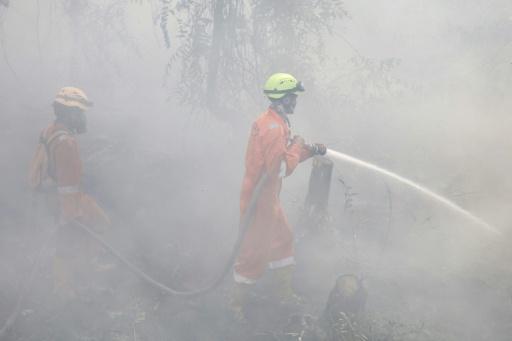
Despite these extensive deployments, officials report severe operational hurdles on the ground. Cabinet Secretary Teddy Indra Wijaya emphasized that the vast size of the territory and difficult peatland conditions complicate suppression efforts. In West Kalimantan, disaster mitigation agency spokesman Daniel Sinyor pointed out that fires burning at varying depths within peat soils present unique containment challenges, compounded by disappearing water sources in drought-affected zones.
From the air to the ground, all forces continue to move.
Teddy Indra Wijaya, Cabinet Secretary via Afp
Data compiled by Antaranews from the National Disaster Mitigation Agency indicates that the burned area across the six priority provinces reached approximately 48,889.69 hectares as of August 9, 2026. West Kalimantan sustained the largest impact with roughly 28,680.47 hectares burned, followed by Riau with 15,551.76 hectares, Central Kalimantan with 3,069.52 hectares, South Sumatra with 664.87 hectares, Jambi with around 540 hectares, and South Kalimantan with 383.07 hectares.
Regional Haze and International Assistance
The intense wildfires have generated hazardous smoke blankets affecting Singapore, Malaysia, and parts of Indonesia for weeks. In Malaysia, where air pollution levels rose to unhealthy thresholds in cities like Kuala Lumpur and Kuching, authorities initiated cloud seeding operations across three southern states to clear the haze and protect regional water resources.
International support has also arrived in fire-hit districts. Approximately 350 members of Japan’s Self-Defense Forces deployed to West Kalimantan to assist local firefighting teams. President Prabowo also expressed readiness to accept additional assistance from neighboring Malaysia as dry conditions continue to elevate the risk of further blazes.
:strip_icc():format(jpeg)/kly-media-production/medias/9330620/original/098096700_1787393601-WhatsApp_Image_2026-08-22_at_16.33.17__1_.jpeg "Photo: liputan6.com")
Legal Actions and Accountability Measures
Indigenous and civil society organizations in West Kalimantan filed a class action lawsuit against the central government, naming both the president and local governors for alleged failures in preventing the disaster.
This is a disaster that occurs every year.
Glorio Sanen, Lawyer for Civil Society Groups via Afp
Simultaneously, law enforcement agencies are implementing rapid response protocols. The Indonesian National Police established a target response window of one to two hours from the moment satellite detection or community reports log a hotspot, initiating immediate ground verification and extinguishing protocols before launching formal investigations into potential legal violations within concession areas.
Keep reading
Man Arrested After Woman Seriously Injured in Belmayne Balcony Fall
A man in his 20s was arrested in Dublin following an alleged serious assault that left a woman...
Kwesi Pratt Jnr Receives Honorary Doctorate for Democratic Struggle
Comrade Kwesi Pratt Jnr., a prominent Ghanaian journalist, Pan-Africanist, and field commander of demonstrations, has received a doctorate...
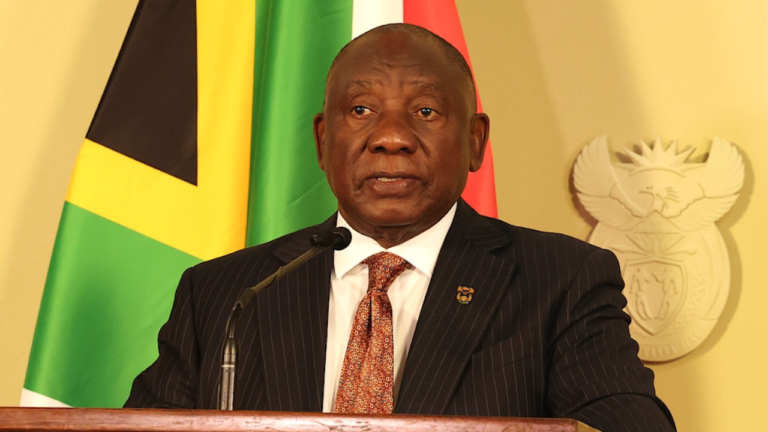
Ramaphosa to Address Nation on Gender-Based Violence and Femicide
President Cyril Ramaphosa will address South Africans at 7 pm on Tuesday, September 29, 2026, to outline government...
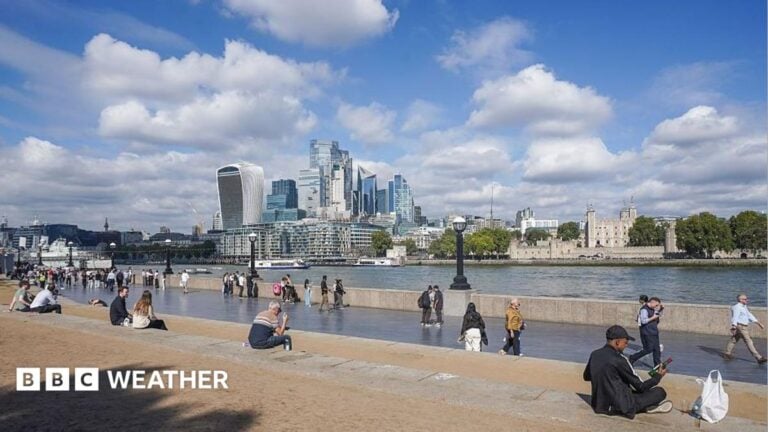
UK Temperatures Forecast to Reach 25°C Following Southerly Airflow
Temperatures across parts of the UK are set to reach 25°C on Tuesday, driven by a strong southerly...