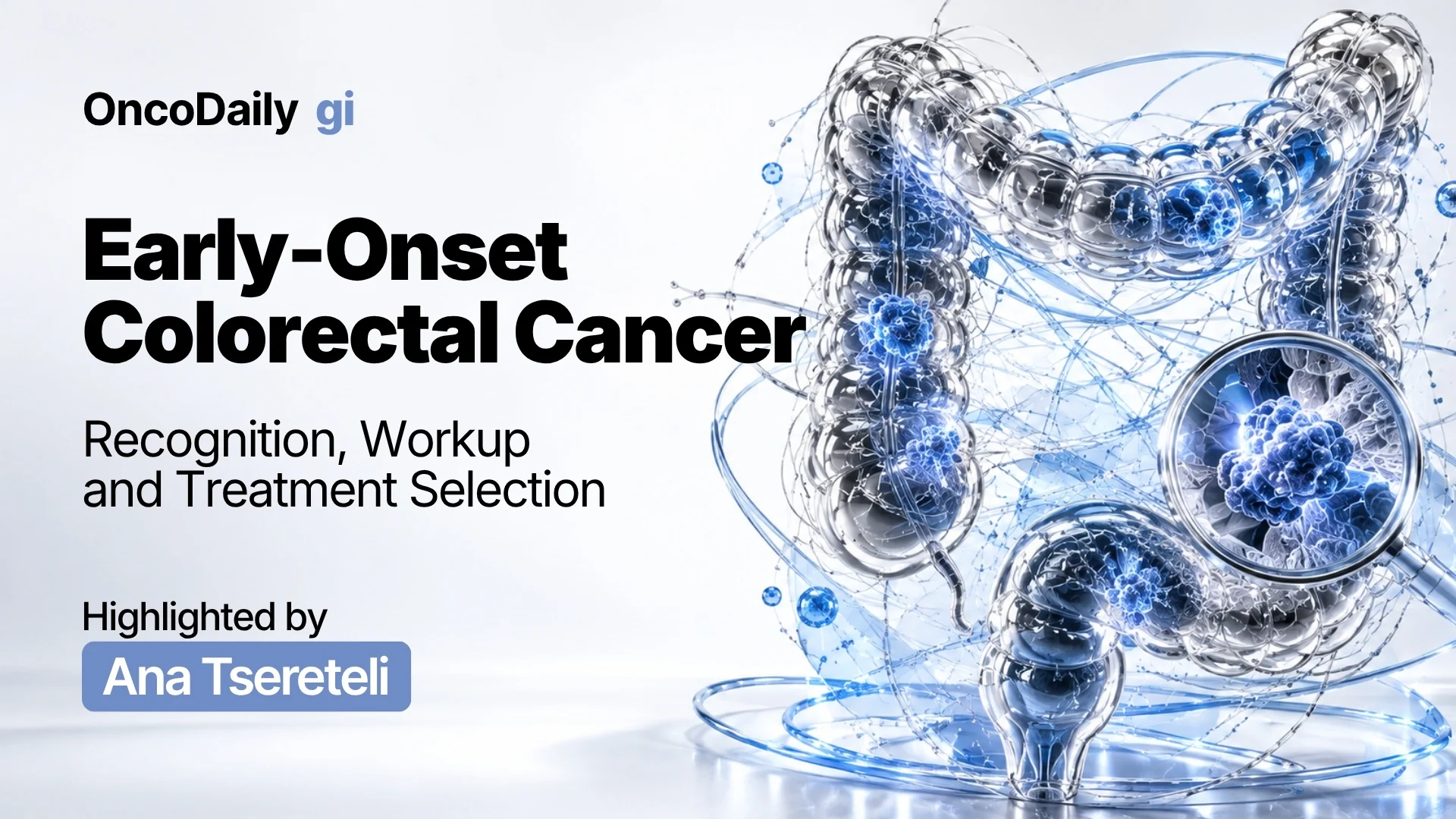
A sharp increase in colorectal cancer among adults under the age of 50 has drawn urgent attention from medical professionals and researchers worldwide, establishing the condition as the deadliest cancer for people in this age bracket. According to data from the American Cancer Society noted by the Association of American Medical Colleges, the proportion of colorectal cancers diagnosed in individuals younger than 55 doubled from 11% in 1995 to 22% in 2022. In the United States, early-onset colorectal cancer incidence has risen by approximately 2% annually, while Dr. John Marshall at Georgetown University notes that the diagnostic rate for individuals under 65 climbs nearly 3% each year.
Surge in Early-Onset Colorectal Cancer Cases
Globally, 184,709 early-onset cases were reported in 2022, making colorectal cancer the most common early-onset gastrointestinal malignancy. Researchers point out that a person born in 1990 faces quadruple the risk of developing rectal cancer and more than double the risk of developing colon cancer compared to someone born in 1950. Because this rapid surge has occurred over just a few decades, experts emphasize that the trend points to factors outside of human genetics.
Diagnostic Challenges and Common Symptoms
Younger adults fall outside traditional population screening age ranges, as average-risk screening in the United States currently begins at age 45. This gap creates significant diagnostic hurdles, as young patients experiencing persistent symptoms may experience lower clinical suspicion from healthcare providers or delay seeking evaluation themselves. According to reports from Oncodaily, approximately one-third of early-onset patients present with stage IV disease at diagnosis, with the liver serving as the predominant metastatic site.

Medical experts emphasize that persistent or unexplained gastrointestinal signals should not be dismissed due to youth. Key symptoms associated with the disease include:
- Rectal bleeding, such as bright red blood or darker stools
- Abdominal pain and bloating
- Persistent diarrhea or lasting constipation
- Altered bowel habits
- Fatigue and iron-deficiency anemia
- Unexplained weight loss
Data indicates that hematochezia is linked to at least a five-fold increased likelihood of early-onset colorectal cancer, meaning rectal bleeding in young adults should not automatically be attributed to benign conditions like hemorrhoids.
Investigating Potential Risk Factors
While the precise causes remain an absolute mystery, researchers are actively studying various environmental and lifestyle factors. Centers for Disease Control and Prevention data show that obesity prevalence among adults aged 20 to 39 more than doubled over a 25-year timeframe, rising from about 18% to 40%. Additional factors linked to heightened risk include sedentary behavior, prolonged sitting, consumption of sugar-sweetened beverages, and vitamin D deficiency.

The rise of ultra-processed foods also parallels the surge in early-onset cases. A 2026 analysis from the Nurses’ Health Study II demonstrated that women with the highest consumption of ultra-processed foods experienced a 45% higher risk of developing precursor adenoma polyps.
Accelerating Research and Collaborative Treatment Initiatives
To address the pressing needs of patients, collaborative platforms are working to fast-track therapeutic developments. Dr. John Marshall leads KLEOS, a research collaboration uniting academia, philanthropy, patient advocacy groups, and pharmaceutical companies to accelerate clinical trials and bypass traditional delays in drug development. Meanwhile, specialized care facilities such as the Young-Onset Colorectal Cancer Center at the Dana-Farber Cancer Institute and WBAL-TV reported institutional efforts continue to focus on improving early detection, understanding risk factors, and supporting patients through complex surgical and Amgen-backed targeted therapies.
Keep reading
Researchers Defend In Vitro Study on C. difficile Spore Persistence
Researchers defending their in vitro study on sodium hypochlorite and Clostridioides difficile spores argue that basic laboratory science...
Global Study Links One in Eight Cancer Cases to Infections
An estimated 2.3 million new cancer cases worldwide in 2024—representing about 12 percent of all new diagnoses—were caused...
Study Examines Environmental Drivers for 32 Emerging Infectious Diseases
Researchers have tested for a general, detectable anthropogenic fingerprint on the geographic distribution of human outbreaks across 32...

USF Health Identifies Brain Circuit Regulating Metabolism in Response to Cold
USF Health researchers identified a previously unknown brain circuit in the hypothalamus that regulates metabolism and appetite in...