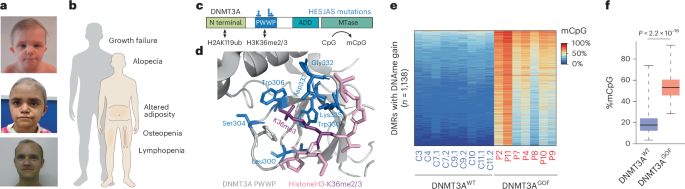
Recent research has established a direct link between aberrant DNA methylation and the onset of aging-related phenotypes, providing significant evidence that these epigenetic changes are a causal factor in biological aging. By studying Heyn–Sproul–Jackson syndrome (HESJAS), researchers have demonstrated how poorly restrained DNA methylation leads to the transcriptional deregulation of key genes, resulting in stem cell dysfunction and the manifestation of aging-like symptoms.
Understanding the HESJAS Disease Model
Heyn–Sproul–Jackson syndrome serves as a critical model for investigating the consequences of dysregulated DNA methylation. In individuals with HESJAS, the gene encoding DNA methyltransferase 3α (DNMT3A) carries gain-of-function (GOF) mutations. This altered version of DNMT3A causes the protein to localize abnormally at Polycomb-demarcated chromatin, leading to hypermethylation of the DNA. According to the study, all genetic mutations identified in HESJAS patients occur in areas encoding amino acids responsible for recognizing H3K36me2/3. This recognition process is essential for the correct localization of DNMT3A; when these amino acids are mutated, the enzyme fails to target the correct areas, resulting in the aberrant hypermethylation observed in the syndrome.

Clinical Phenotypes and Aging
The researchers analyzed ten individuals diagnosed with HESJAS and identified several clinical symptoms that mirror those associated with natural aging. These phenotypes include: * Immunodeficiency: A compromised immune response. * Osteopenia: A reduction in bone mineral density. * Imbalanced Hematopoiesis: Disruptions in the formation of blood cellular components. * Lipodystrophy: Abnormal distribution of body fat. These findings support the broader hypothesis that the progressive impairment of key biological processes, such as chromatin organization, drives the aging process. While epigenetic changes—such as altered DNA methylation—have long been known to correlate with aging, this research provides evidence that these changes directly cause the functional decline observed in aging phenotypes.
The Mechanics of Epigenetic Drift
Aging is characterized by “epigenetic drift,” a gradual divergence from the original epigenomic configuration of a young cell. This drift includes aberrant DNA methylation, histone modifications, and changes in chromatin remodeling. Together, these factors lead to dysregulated gene expression and impaired cellular function. In healthy individuals, DNA methylation involves the addition of methyl groups to CpG dinucleotides, a process that typically serves to silence gene expression. In the context of aging and conditions like HESJAS, this process becomes dysregulated. The research indicates that the accumulation of these methylation tags is not merely a byproduct of aging but a driver of the physiological decay that defines the aging process at the organismal level.

Methodology and Research Scope
The study utilized a combination of diagnostic exome sequencing, whole-genome sequencing, and custom next-generation sequencing (NGS) gene panels to identify pathogenic variants in DNMT3A. To visualize the effects of the mutations, researchers employed structural modeling based on the crystal structure of the DNMT3B PWWP domain, which shares conserved residues with DNMT3A. Data analysis regarding DNA methylation was conducted using Infinium Methylation BeadChip assays and enzymatic methyl-seq (EM-seq) on hematopoietic stem cells (HSCs). By comparing these findings across different models, the researchers were able to confirm that the transcriptional deregulation caused by DNMT3A hypermethylation directly impacts stem cell function. These studies were conducted under the approval of multiple international ethics committees, including the Scottish Multicentre Research Ethics Committee, the University of Utah medical review board, the Bergen Hospital Trust ethical review board, and the Ethics Committee of the Instituto de Salud Carlos III. Informed written consent was obtained from all participating families, including consent for the publication of clinical photographs.
Find more reporting in our Health section.
Keep reading

Brain Health Improvement Relies on Mental Stimulation and Hearing Care
Improving long-term brain health and cognitive vitality involves a combination of science-backed lifestyle habits, targeted daily practices, and...
Ketogenic Diet Reduces Liver Fat Better Than Other Diets
A randomized clinical trial published in Cell Metabolism reveals that adults with obesity and prediabetes who lost about...

Nepal Authorities Initiate Mass Cremations as Flood Death Toll Hits 800
Following a catastrophic glacial collapse along the Nepal-China border on August 26, 2026, the death toll from widespread...

Breast Cancer Survivors Face Long-Term Physical and Emotional Challenges
Breast cancer survivors often face profound physical, emotional, and practical challenges after treatment ends.