
Tennessee Contractors Face Margin Squeeze After Sharp September Input Price Surge
When construction input prices jump by more than two percent in a single month, commercial builders across Middle and East Tennessee cannot afford to rely on yesterday’s pricing assumptions. According to the Associated Builders and Contractors Greater Tennessee chapter, construction input prices rose 2.2% from August to September, capping off an 11.2% year-over-year increase that immediately alters bidding math for local contractors.
That September jump was not confined to a single isolated commodity. Federal data cited in ABC’s October 2026 economic roundup shows that nonresidential construction input prices also climbed 2.3% for the month. For firms pricing work across Nashville, Knoxville, Chattanooga, Kingsport, Johnson City, and Bristol, the practical issue is whether current project estimates and pending material buyouts still reflect live market realities.
| Material Category | Monthly Change (Aug.–Sep.) | Year-over-Year Change |
|---|---|---|
| Steel mill products | +2.2% | +27.6% |
| Copper and brass mill shapes | +1.4% | +30.0% |
| Aluminum mill shapes | -0.1% | +25.2% |
Where Material Exposure Hits Middle and East Tennessee Hardest
The numbers confirm that metal-sensitive scopes remain heavily exposed. Steel mill products sit 27.6% higher than they were a year ago, while copper and brass mill shapes show a staggering 30.0% year-over-year climb. Structural steel, miscellaneous metals, curtainwall supports, electrical distribution gear, and select mechanical systems all demand a rigorous second look when project estimates depend on outdated supplier quotes.

Fuel pressure added further momentum to the September rise, compounding delivery risks for freight-heavy scopes even when base materials held steady. Contractors pricing work across Nashville, Knoxville, Chattanooga, Kingsport, Johnson City, and Bristol face commercial construction pressures that make it essential to carefully factor in buyout timing and long-distance logistics.
Tightening Preconstruction Discipline and Buyout Windows
Estimating teams are catching the brunt of this volatility. Open bids that rely on supplier quotes gathered before the September spike carry hidden risk, and awarded projects with major material packages still unpurchased carry far more exposure than management teams assumed at the time of booking.
To close the gap between live market data and active proposals, estimating departments are shifting toward specific operational adjustments:
- Refreshing volatile supplier quotes immediately before final bid submission.
- Shortening bid-validity windows to account for rapid supplier price shifts.
- Separating contingencies by individual trade rather than applying a flat percentage across the entire project.
- Documenting exact quote dates, allowance bases, and escalation assumptions for every major line item.
The Tennessee Labor Picture and Operational Realities
State employment numbers show construction employment holding steady at 167,600 across Tennessee. A busy regional market does not insulate a firm from pricing volatility; in fact, high activity levels make procurement delays and stale estimate assumptions even more dangerous to bottom-line margins. Treating old quote dates as current reality is an easy way to give back profit on otherwise successful jobs.
For ABC Greater Tennessee members, the response requires assigning leadership to audit active bids and unbought packages this week. In a market shaped by sharp cost movements, review speed dictates whether a contractor protects project margin or absorbs avoidable losses.
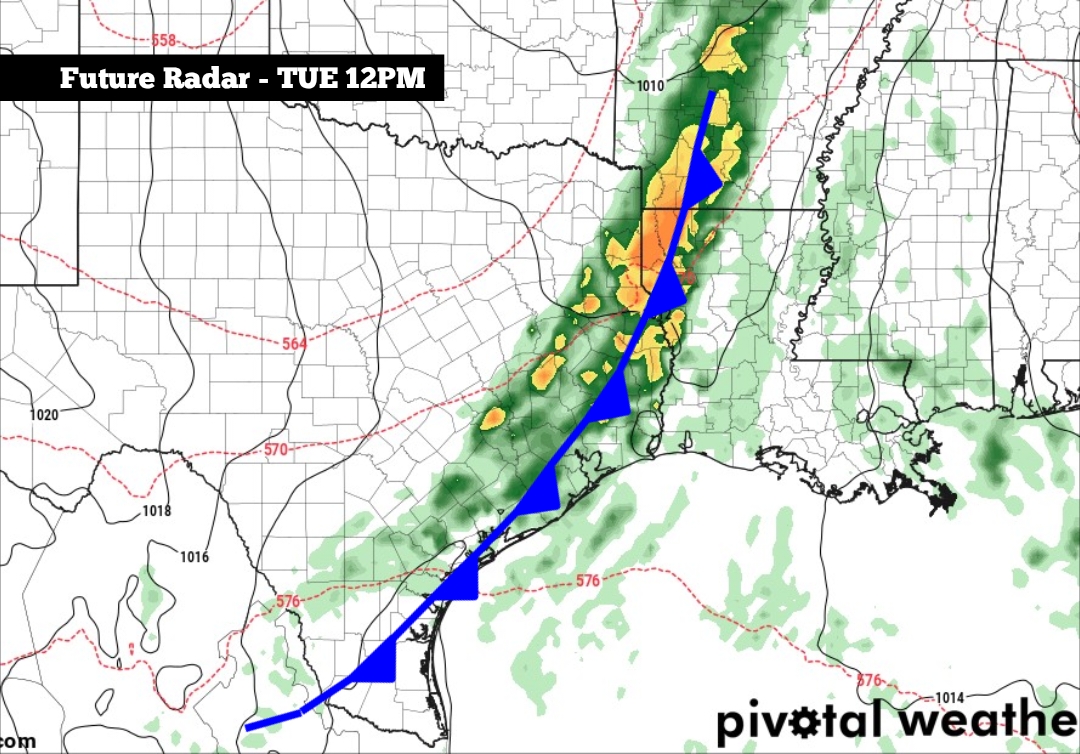
Cold front likely to bring storms to Houston area by Election Day
Storms Threaten Election Day Polls as Cold Front Approaches Houston Voters heading to the ballot box in the...

Stamkos scores in regulation and only goal in shootout to lead Predators over Lightning 5-4
Steven Stamkos scored the tying goal in regulation and the only goal of the shootout on Saturday, lifting...

Postgame Recap: Deanovich Delivers in Overtime – Waterloo Black Hawks
Deanovich Lifts Black Hawks Past Fighting Saints in Overtime Waterloo defenseman Caleb Deanovich scored 24 seconds into overtime...

Gamecocks get a dominating 42-25 win over Oklahoma – WIS
Gamecocks Secure Dominating 42-25 Victory Over Oklahoma South Carolina delivered a decisive statement on Saturday, marching into a...