The Standoff on Rose Avenue: A Year of Silence
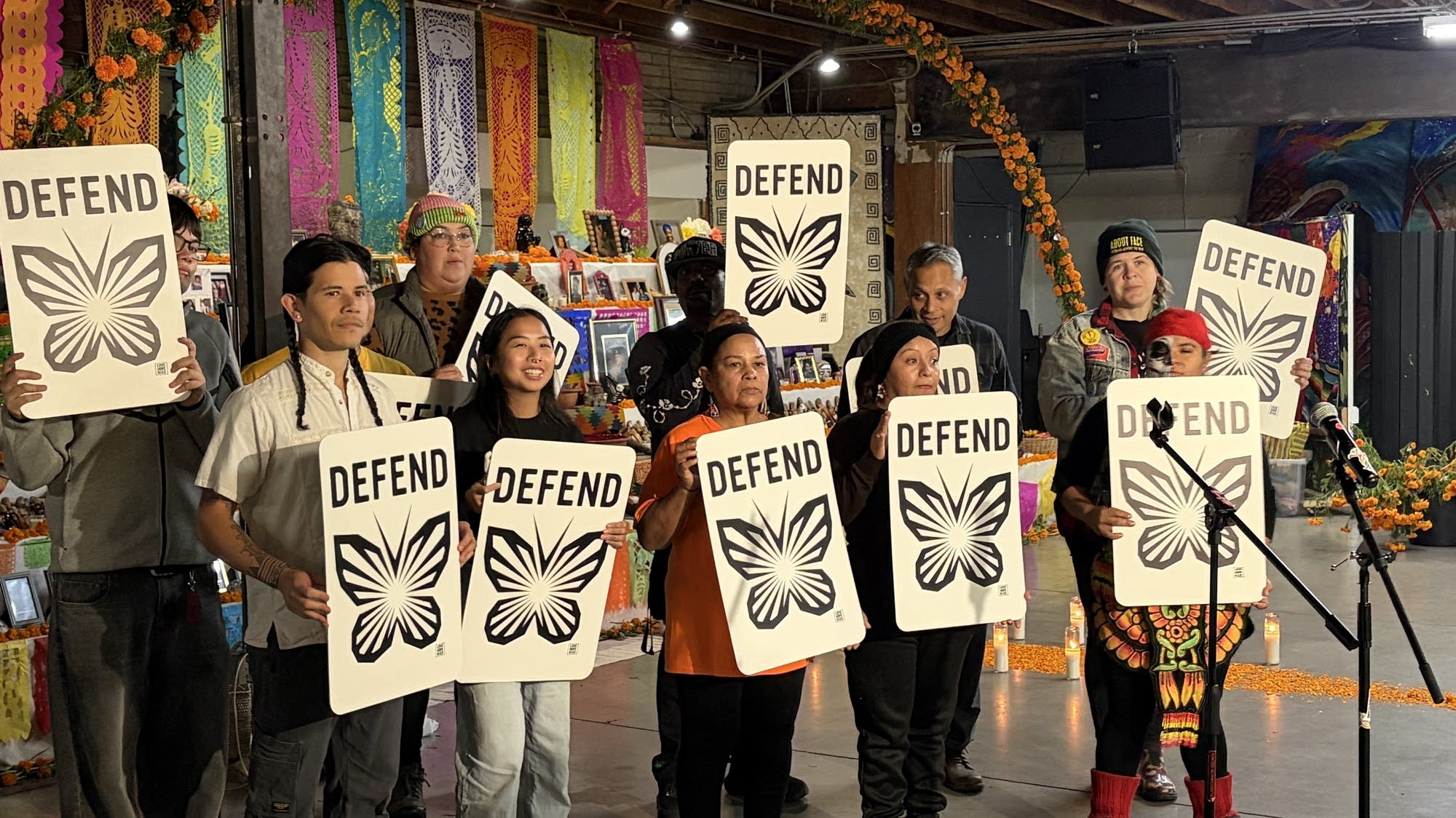
It has been nearly 365 days since the air on Rose Avenue in St. Paul was thick with chemical irritants and the confusion of a federal operation that spilled over into the local community. On November 25, 2025, a federal enforcement action triggered a chaotic confrontation between law enforcement and protesters, leaving behind injuries, arrests, and a lingering sense of betrayal that has yet to be addressed by city leadership.
For the residents and activists who stood on that street, the calendar has not brought closure. Instead, it has marked a period of waiting for the results of an internal investigation that was promised to clarify why local police appeared to be operating in such close alignment with federal agents. As of November 6, 2026, that report remains unpublished, leaving the community to navigate the space between official policy and the reality of what they witnessed on the ground.
The Intersection of Local Policing and Federal Enforcement
The incident gained significant attention not only because of the force used against demonstrators but because of the specific nature of the law enforcement presence. St. Paul maintains a separation ordinance, a policy designed to distance local police from federal immigration enforcement efforts unless strictly required by law. When that line blurred on Rose Avenue, the community response was immediate and vocal.
Chenda Hing, a digital organizer with Minnesota 8, recalls the day as a moment of profound, systemic friction. She describes seeing local police working alongside federal agents in a way that contradicted the city’s stated commitment to public safety priorities. The physical toll was also clear: multiple photojournalists, including one from MPR News, were struck by less-lethal munitions while documenting the clash. One journalist required ambulance transport to the hospital, raising urgent questions about the protection of the press and the limits of police force during civil demonstrations.

The Search for Accountability
The investigation into the events of that November day has been funneled through the Police Civilian Internal Affairs Review Commission (PCIARC). This body is tasked with reviewing evidence and offering disciplinary or policy recommendations to the police chief. While the process is designed to be thorough, the timeline has become a point of contention for those seeking transparency.
St. Paul Mayor Kaohly Her stated last week that she expects the investigation to conclude “very soon.” In a formal response to inquiries, the Mayor emphasized the importance of the process, noting that the commission is carefully examining the evidence and that it is vital to respect the integrity of that review without interference. For the families directly affected, including those of Jeffrey Suazo, who was taken into federal custody during the clash, the technicalities of the review offer little comfort against the backdrop of ongoing fear and trauma.
The Shadow of the Appleton Detention Center
The frustration surrounding the Rose Avenue incident is not an isolated grievance; it is tethered to a broader anxiety regarding the future of federal immigration enforcement in the region. Organizations like the Indigenous Roots Cultural Center and the Detention Watch Network are looking toward the planned activation of a federal detention facility in Appleton. With a capacity of 1,600 beds, the site represents a looming shift in the scale of regional enforcement.
Activists argue that without a clear, public accounting of what went wrong in St. Paul, there is no guarantee that similar tactics won’t be employed again as the state faces this new facility. Samuel Torres, co-chair of the board of the Indigenous Roots Cultural Arts Center, recently noted that the city council and mayor have heard these concerns firsthand, yet the silence surrounding the final report persists.
The community’s demand is simple: they want the findings, the reasoning, and the accountability that were promised a year ago. As they continue to hold vigils and maintain ofrendas to honor those impacted by immigration enforcement, the question remains whether the city’s report will offer a path toward reconciliation or simply confirm the suspicions of those who saw their neighbors and journalists targeted on a quiet residential street.
Keep reading

Why New York Focus Investigates Power and Inequality in New York
New York’s latest election results have solidified a Democratic "blue wave" across the state, setting the stage for...
Las Vegas Expands Downtown Homelessness Outreach and Services
Las Vegas Targets Downtown Homelessness with Targeted Outreach More than 300 unsheltered individuals have been connected to essential...
Colom campaign challenges GOP effort to separate provisional ballots
Mississippi Republicans Target Uncounted Ballots in Senate Race The campaign of Democratic Senate candidate Scott Colom is pushing...

Jalen Duren Injury Causes Detroit Pistons to Plummet in Paint Scoring
The Pistons’ Paint Problem Is All About Jalen Duren The Detroit Pistons are currently navigating a reality that...