
More than 1,000 Afghan evacuees have resettled in the Boise area since the Taliban seized Kabul on Aug. 15, 2021, cutting off education for women and forcing a generation to rebuild from scratch.
Ramzia Jalali was in her third semester of medical school at Kabul University when the city fell. “When the Taliban entered Kabul on August 15, 2021, everything changed,” Jalali told Boise State Public Radio. “I felt at that time I lost my hopes, my dreams, my life, my education and everything.”
Jalali, now in her second year studying software engineering at Boise State University, said the transition brought freedom but also isolation. “It’s really hard to come to a new country and start life from the beginning with new people, a new country, a new culture and a new language,” she said. “I have my freedom here. For the first time, I feel that men and women are equal and everyone can build their life, their future and their career.”
Sabrina Sina, a Boise State political science graduate who arrived in the U.S. more than a decade ago, described the strain of managing higher education without a support network while working full time. “Being an English as a second language speaker is a struggle,” Sina said. “They do have advisors that help you more, and scholarships. Those really helped me, because being alone, not having support, working full time and going to school was part of making my dreams come true.”
Laura Armstrong, co-founder of Glocal Community Partners, a Boise-based nonprofit connecting volunteers with newly arrived refugees, said programs provide more than practical skills. “It’s much more than just learning English,” Armstrong said. “It’s really a time for them to come together to socialize with one another.”
She added that Afghan families consistently cite daughters’ education as a primary reason for fleeing. “Over and over again, I hear from the women, the mothers saying, ‘One of the reasons we came was so that our daughters could be educated,'” Armstrong said.
The Taliban continue to enforce bans on female education beyond the sixth grade. Jalali remains separated from loved ones left behind. “That’s the hardest part for me, because life is really hard here, too,” she said. “I’m happy to be here, but I can still say my soul is there.”
Sina plans to attend law school to advocate for Afghan women. “That’s why I want to go to law school — to have a voice for women, for my community here and back home,” Sina said. “We can fight together, and then we can have them go back to school and build their lives.” Her message to women still in Afghanistan: “Don’t give up. Keep fighting.”
Mohammad Nawabi, a journalist who fled Afghanistan after the Taliban takeover made his work dangerous, now works in the Boise State Public Radio newsroom through a partnership with Global Talent, a local organization addressing employment barriers for skilled immigrants and refugees.
Worth a look
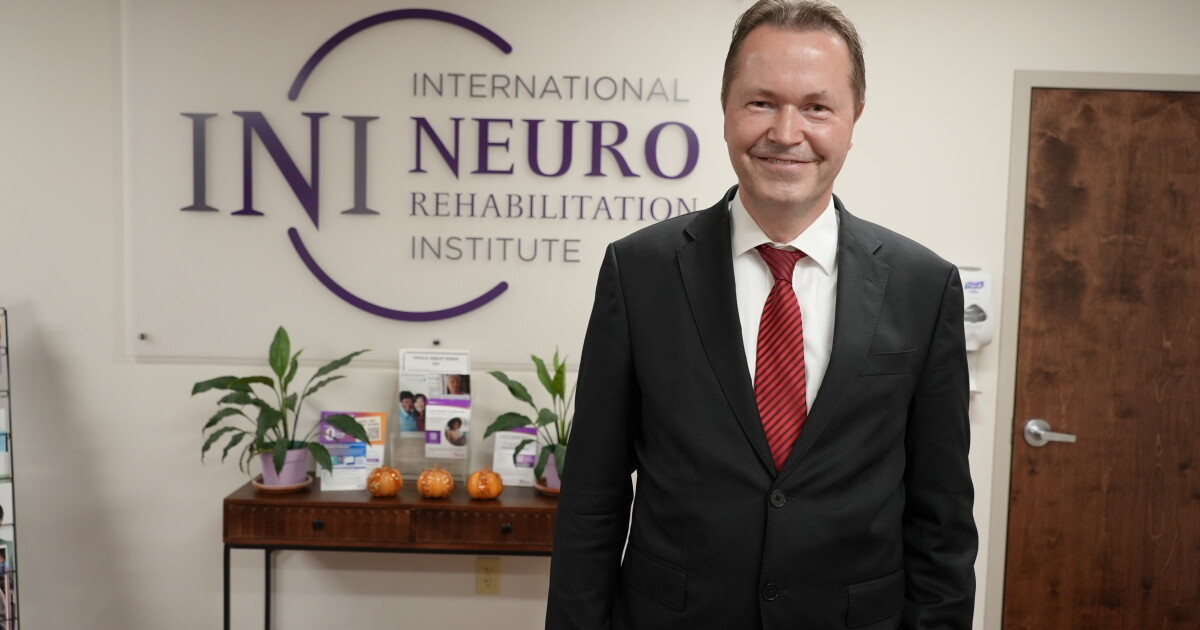
Baltimore Clinic Enrolls Patients in Spinal Cord Injury Drug Trial for NVG-291
Dr. Daniel Becker, founder and director of the International Neurorehabilitation Institute in Lutherville, Md., said recovery typically plateaus...

Lawmakers Blast Trump Lobbying for Nvidia CEO Huang, Plan Hearings
The board said it had received assurances from “senior levels of the United States government” that Huang posed...

2023 Kia Sportage SX-Prestige FWD Detailed in Listing
A 2023 Kia Sportage SX-Prestige with front-wheel drive and an eight-speed automatic transmission is described in a vehicle...

Boise ER Doctor Sued Again After Teen’s Snowboarding Death; Prior $13.5M Malpractice Verdict Cited
A new lawsuit targets a Boise ER doctor after a teen's snowboarding death, citing a prior $13.5 million...