
African leaders, scholars, and activists convened to address the continent’s growing climate crisis, with a focus on floods, fossil fuel accountability, and agricultural innovation. At Olusegun Agagu University of Science and Technology (OAUSTECH), Prof. Edwin Julius Momoh, a Sierra Leonean academic, warned that Africa’s agricultural sector faces “devastating effects” from climate change despite contributing less than 10% of global greenhouse gas emissions, according to the World Meteorological Organization. Meanwhile, Shell and other oil companies faced scrutiny over pollution and climate accountability during their 2026 annual meetings, as communities in Nigeria organized to act against their environmental impact.
The OAUSTECH Lecture: A Call for Climate-Resilient Policies
Prof. Edwin Julius Momoh, the vice-chancellor of Ernest Bai Koroma University of Science and Technology (EBKUST), delivered a keynote lecture at OAUSTECH’s third Distinguished Public Lecture, emphasizing the need for “climate-smart agriculture” and “water-energy-food nexus approaches” to safeguard food systems. He identified fossil fuel combustion, deforestation, and unsustainable farming as key drivers of climate change, noting that Africa’s agricultural sector—supporting millions—faces rising temperatures, erratic rainfall, drought, flooding, erosion, and desertification. His recommendations included investing in climate-resilient crop varieties, expanding ecosystem monitoring, and leveraging artificial intelligence to boost productivity.

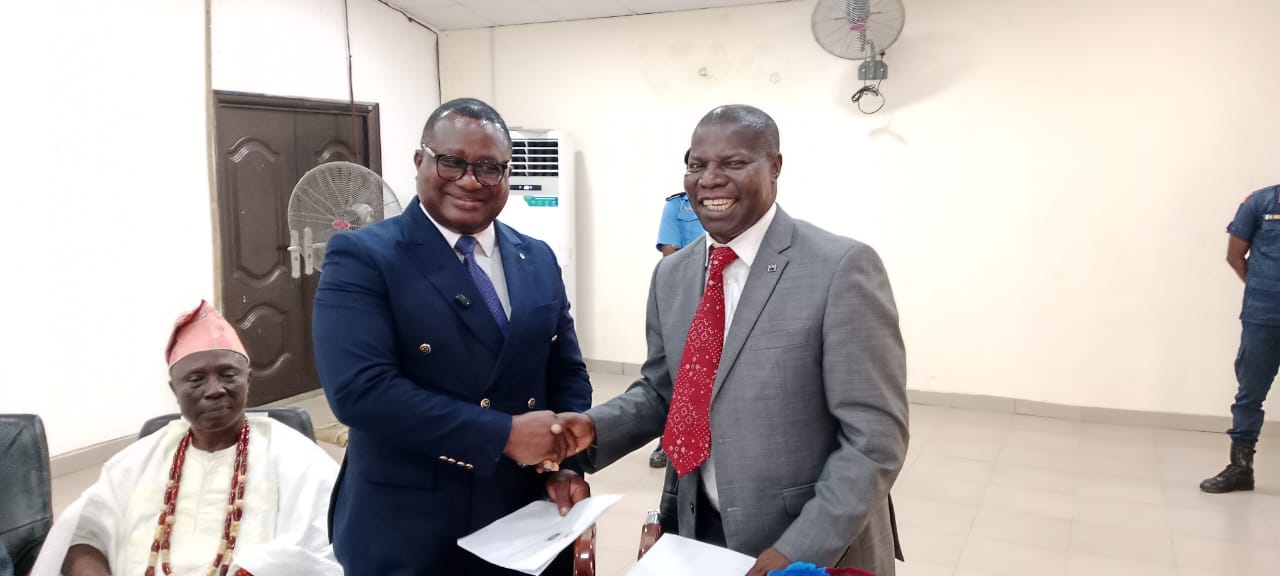
Momoh cited a 34% decline in agricultural productivity since 1961 due to climate factors, per a United Nations Framework Convention on Climate Change report. The event, attended by Nigerian and Sierra Leonean officials, also featured a Memorandum of Understanding between OAUSTECH and EBKUST to strengthen academic collaboration. Prof. Sunday Amuseghan, Pro-Chancellor of the University of Fortune, called the lecture “timely and relevant,” while OAUSTECH’s Vice-Chancellor, Prof. Temi Ologunorisa, urged governments to “intensify tree-planting campaigns” to combat carbon emissions.
Fossil Fuels Under Fire: Shell’s Climate Accountability Crisis
As global climate summits loomed, Shell and other oil giants faced mounting pressure from communities in Nigeria and beyond. In May 2026, local activists organized to act ahead of Shell’s annual general meeting, demanding accountability for decades of pollution. The company’s plan to sell assets to Renaissance raised concerns about shedding its duty to clean up the region. A 2017 incident in Nigeria, where fire burned on the Shell Petroleum Development Company Trans Niger pipeline, underscored the risks of fossil fuel dependence.

Emem Okon, executive director of Kebetkache Women Development & Resource Centre, works on gender, oil pollution and community rights in the Niger Delta and tells us how the communities are fighting for accountability.
Youth and Innovation: Rewriting Africa’s Agricultural Future
African countries face some of the harshest impacts of climate change. To address this, governments and organizations are promoting climate-smart practices like agroforestry, conservation farming, and digital tools. In Kenya and Rwanda, youth cooperatives have boosted food production while protecting natural resources, with digital services in some value chains reducing transaction costs by up to 50 percent.
Yuma Sasaki, from Japan, is Dodai’s CEO, working from Addis Ababa. Dodai is an electric mobility company based in Ethiopia. They recently raised $13 million (the largest fundraiser ever in Ethiopia) to scale up electric bikes. Ethiopia, like Kenya, has emerged as a hub for electric vehicles given progressive government policy. Meanwhile, Bim Adisa, CEO of Beacon Power Services, highlighted how AI can help improve the reliability of electricity grids, impacting over 100 million people worldwide, including in West Africa.
The Road Ahead: Policy, Equity, and Global Responsibility
As Africa grapples with climate disasters, the need for “sustained government commitment” remains urgent. The 11th Global Summit on Climate Change in Paris (30–31 July 2026) will take place.
For now, the balance between innovation, accountability, and equity will determine whether Africa’s climate fightback translates into lasting change.
https://www.thesun.ng/food-security-africa-must-invest-in-climate-smart
Find more reporting in our Technology section.
Related reading

Google Suspends Open Source Bug Bounty Due to Automated Reports
Google suspended product vulnerability submissions for its open-source bug bounty program on October 1, 2026, citing a surge...

Digital Realty Taps Swiss Franc Market for CHF 510 Million in Senior Green Notes
Digital Realty Trust is tapping the Swiss franc debt market with a CHF 510 million senior unsecured green...
Flydubai Co-Pilot Attacks Captain With Axe Over Saudi Airspace
An Israel-bound Flydubai flight narrowly avoided disaster on September 30, 2026, when its co-pilot attacked the captain with...

Amazon Slashes Up to $2,000 Off Hisense TVs During Prime Big Deal Days
Up to $2,000 comes off Hisense television ranges as Amazon’s Prime Big Deal Days event brings major discounts...