
The UK’s Medicines and Healthcare products Regulatory Agency (MHRA) authorized the first oral GLP-1 weight-loss tablet, semaglutide, on 11 June 2026. The drug, marketed as Wegovy, is now available through regulated private providers for adults with a BMI of 30 or above, or those with a BMI of 27 and a weight-related health condition.
Regulatory Approval and Clinical Criteria
The MHRA’s decision to license the semaglutide tablet marks a significant shift in obesity treatment, as it provides an alternative for patients who cannot or prefer not to use self-injectable pens. Under the current guidelines, the medication is not available on the NHS and must be accessed through private prescriptions.
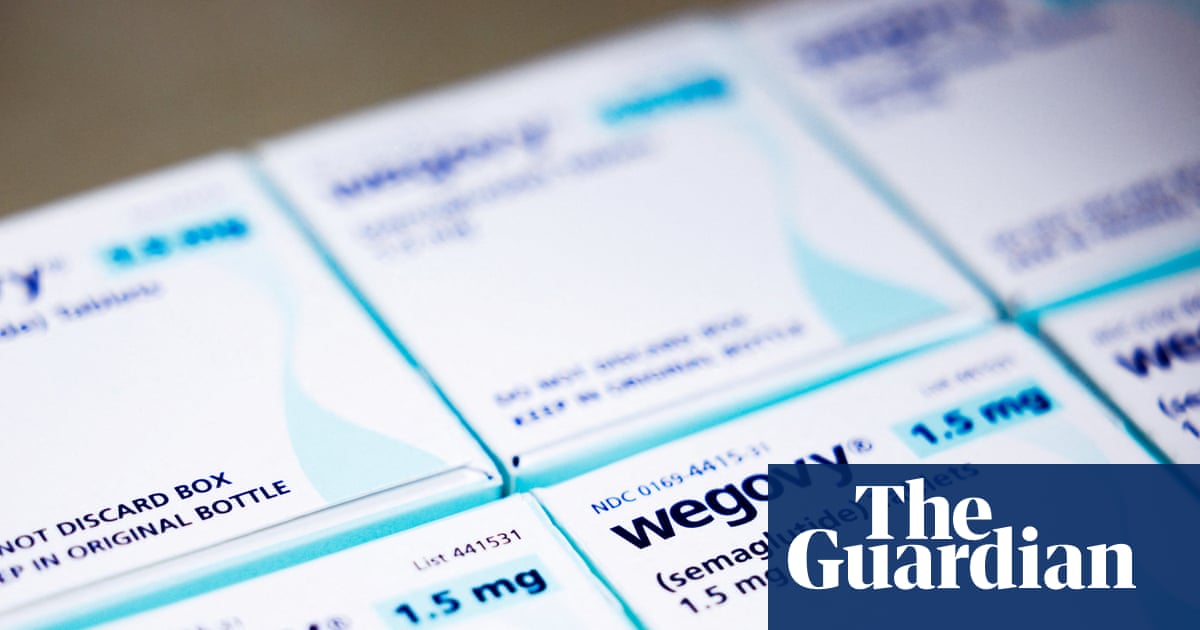
Eligibility is strictly defined: patients must have a BMI of 30 or higher, or a BMI of 27 to 30 accompanied by at least one weight-related comorbidity, such as hypertension or type 2 diabetes. While the drug has received regulatory clearance, it has not yet been reviewed by the National Institute for Health and Care Excellence (NICE), which would be a prerequisite for potential future NHS funding. Experts, including Professor John Wilding of the University of Liverpool, have noted that even with eventual NICE approval, resource constraints could limit broad access, similar to the current challenges faced by those seeking injectable GLP-1 treatments.

The regulatory pathway for this oral version involved a rigorous assessment of the drug’s delivery system. Unlike the injectable version, which bypasses the digestive system to enter the bloodstream, the oral tablet utilizes a specific absorption enhancer to allow the semaglutide molecule to pass through the stomach lining. Because the MHRA is responsible for ensuring that medicines meet acceptable standards of safety, quality, and efficacy, the authorization process required evidence that this proprietary delivery method remained consistent across different batches and patient profiles.
Administration Protocols and Absorption Risks
Unlike standard tablets, the Wegovy pill requires a precise daily routine to ensure the semaglutide is absorbed correctly. Because the drug can be sensitive to stomach contents, it must be taken while fasting.
“The way it is taken has a direct impact on how well the medication is absorbed, so patients need to understand the routine from day one,” said Abdal Alvi, chief clinical officer at the Guardian.
- Fasting: The tablet must be taken after at least eight hours of fasting, typically first thing in the morning.
- Water intake: It must be swallowed whole with no more than 120ml of plain water.
- Wait times: Patients must wait at least 30 minutes before eating, drinking, or taking other medications.
- Handling: The tablet must not be crushed, split, or chewed, as these actions interfere with the delivery mechanism.
The complexity of this administration protocol creates a higher barrier for adherence compared to weekly injections. Pharmacists and clinicians have emphasized that if a patient consumes food or other liquids too soon after ingestion, the efficacy of the dose may be significantly diminished, as the absorption enhancer requires a specific, low-volume environment to function within the stomach.
Efficacy and Side Effects
Clinical data indicates that the oral tablet produces results comparable to the injectable version. According to Pharmatimes, participants in the OASIS 4 trial who remained on the 25mg daily dose for 64 weeks lost an average of 16.6% of their body weight, compared to 2.7% in the placebo group.
Common side effects mirror those of the injectable format, primarily involving gastrointestinal issues. In the clinical trials, 74% of participants reported symptoms such as nausea, vomiting, or diarrhoea. While The Independent notes that these symptoms are generally mild, transient, and consistent with the injectable version, approximately 7% of users discontinued treatment due to these effects. Patients are advised to report persistent symptoms to their clinician and through the Yellow Card scheme.
The MHRA’s vigilance regarding these side effects is part of its ongoing post-market surveillance. By utilizing the Yellow Card scheme, the agency monitors for any unexpected adverse reactions that may not have appeared during the controlled environment of the clinical trials, ensuring that the benefit-risk profile remains favorable as the drug reaches a wider, more diverse population.
Market Availability and Counterfeit Risks
As the Wegovy pill enters the UK market, providers are scaling up to meet what digital healthcare companies describe as “massive demand.” Novo Nordisk has initiated a phased rollout to maintain supply consistency. This phased approach is intended to prevent the localized shortages that previously affected the availability of the injectable pens, which saw unprecedented demand globally.

However, the launch has prompted urgent warnings from both regulators and pharmacy leaders regarding the safety of online procurement. Pharmaceutical Journal reports that industry bodies are concerned about a rise in counterfeit weight-loss products, which may be easier to manufacture in pill form than in injectable pens. The potential for illicit suppliers to distribute low-quality or inactive tablets poses a significant public health risk, particularly given the specific dosage requirements for semaglutide.
“Patients must only ever obtain weight-loss medication, properly prescribed and dispensed by a regulated pharmacy,” said Olivier Picard, chair of the National Pharmacy Association. Consumers are encouraged to verify that they are using legitimate, regulated providers rather than sites that advertise low-cost medication without requiring a clinical consultation or professional prescription. The General Pharmaceutical Council (GPhC) maintains an online register that allows patients to confirm if a pharmacy is legally operating in the UK, a tool that officials suggest is essential as the market for weight-loss medications expands.
The broader implications of this market expansion extend to the role of private telehealth providers. With the introduction of the oral tablet, the frequency of contact between patients and prescribing clinicians may increase, as the daily nature of the drug requires more consistent monitoring than the weekly injectable version. Regulators are monitoring how these private providers manage clinical oversight, ensuring that the rapid growth in demand does not bypass the necessary safety checks required for a prescription-only medication.
Find more reporting in our News section.

COSATU Launches Nationwide Strikes Amid 43.8% Unemployment Rate
While foreign exchange markets showed little change early in the week—with the rand trading at 16.6325 against the...

UK Police Arrest Seventh Suspect in Investigation Near RAF Fairford
Following a suspected plot near RAF Fairford, British police have arrested a suspect on suspicion of preparing terrorist...

S. Jaishankar Visits Ghana to Advance India-Ghana Comprehensive Partnership
External Affairs Minister S.

Omaheke Governor Pijoo Nganate Urges Sustainable Livelihoods for Returnees
"A commemoration must also challenge us to ask: What are we doing for the living? What are we...