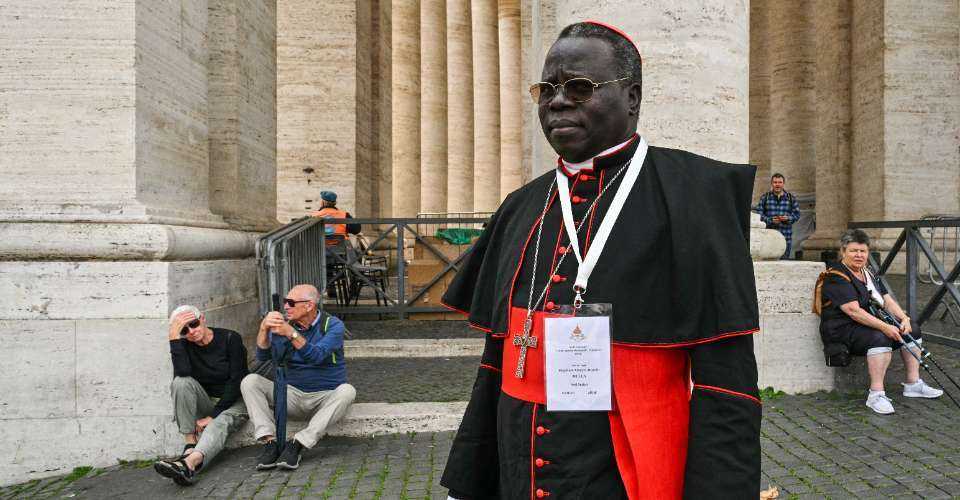
Catholic bishops across Sudan and South Sudan have launched a comprehensive three-year initiative to address interlocking humanitarian and political crises in the two nations, according to the Catholicworldreport. Announced on August 20 by His Eminence Stephen Cardinal Ameyu Mulla, President of the Sudan and South Sudan Catholic Bishops’ Conference (SSCBC), the 2026–2028 Strategic Plan seeks to combat years of conflict, displacement, poverty, political uncertainty, and severe droughts.
Catholic Bishops Launch Strategic Peace and Aid Plan
The Church cannot remain indifferent in this suffering. We are called to be the voice for the voiceless, an instrument for dialogue and service of reconciliation,
Cardinal Mulla said during the launch. The region has reeled from prolonged instability, including a conflict in Sudan that erupted in 2023 between the Sudanese Armed Forces (SAF) and the Rapid Support Forces (RSF). That fighting has resulted in approximately 60,000 deaths and displaced 14 million people, while destroying major cities and critical infrastructure.
Escalating Pressures and Humanitarian Crises
In neighboring South Sudan—which gained independence in 2011—long-standing political and ethnic tensions between President Salva Kiir and opposition figures have driven cycles of violence since 2013, claiming nearly 400,000 lives and displacing millions. Father John Gbemboyo Joseph Mbikoyezu, the pastoral and social communication coordinator for the bishops’ conference, told ucanews.com that warring parties have mobilized resources and affiliates for war in disregard of the nation’s severe economic challenges.
In addition to active combat, South Sudan faces mounting economic pressures, including sharp currency depreciation and skyrocketing prices for goods and services. The United Nations estimates that more than 10 million South Sudanese—about two-thirds of the population—will require humanitarian assistance. Concurrently, lack of rainfall, drought, and recurrent flooding have devastated agricultural productivity, destroying crops and undermining family livelihoods.
Warnings Against Violence and Calls for Disarmament
Church leaders have expressed deep concern over hate speech and misinformation amplified on social media, specifically condemning a top government army general’s call for indiscriminate violence against civilians in Jonglei state. Cardinal Mulla warned that directing forces to spare no lives constitutes a call to genocide, urging fighters to reject directives that victimize innocent civilians.
Emphasizing the connection between stability and sustenance, Bishop Barani Eduardo Hiiboro Kussala of Tombura-Yambio stressed that human security is a prerequisite for agricultural success. There can be no food security without human security. When people are afraid, they abandon their farms. When violence spreads, fields fall silent. When life is threatened, hunger follows,
Bishop Kussala noted, adding that Food is dignity. Food is stability. Food is peace.
Bishop Matthew Remijio Gbitiku of Wau further argued that the country requires true disarmament rather than an escalating arms race that drains resources away from human needs and public welfare.
Electoral Concerns and the Pursuit of Peace
The bishops’ annual assembly, held from July 15 to 17, 2026, also addressed upcoming democratic elections scheduled for December 22, 2026, noting with concern that the date coincides with Christmas and creates a looming transitional and constitutional crisis, as reported by allafrica.com. Church leaders continue to advocate for the full, faithful, and timely implementation of the 2018 Revitalized Agreement on the Resolution of the Conflict in South Sudan, viewing the pact as the most credible pathway to sustainable peace.
Worth a look
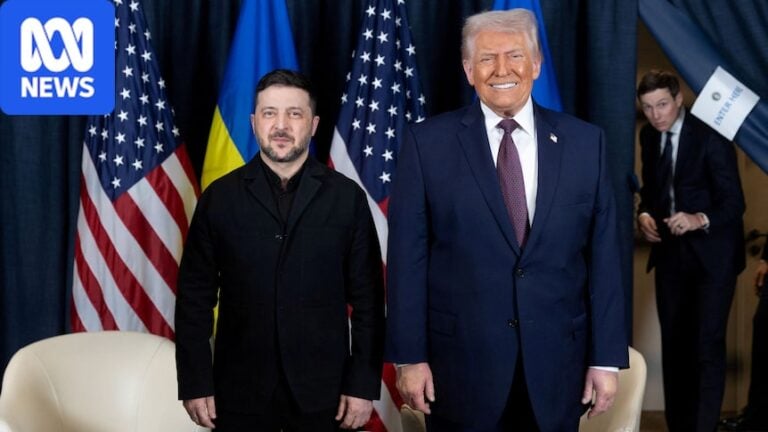
Zelenskyy Criticizes Partners for Lack of Missile Strike Warnings
Five Russian ballistic missiles struck Kyiv without prior intelligence alerts from international partners on Tuesday evening, prompting criticism...
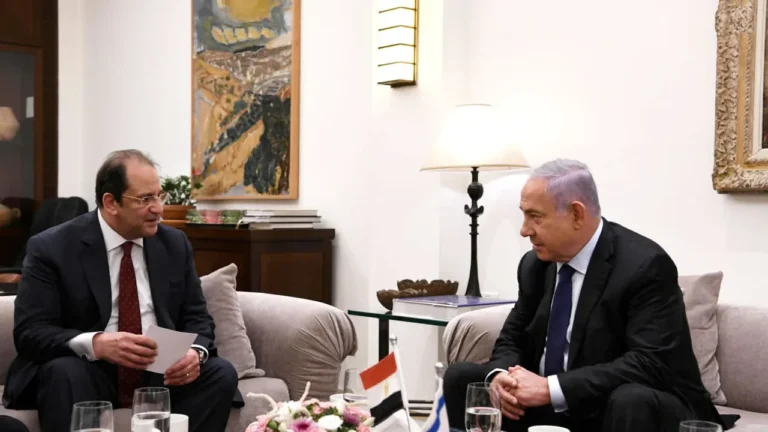
Benjamin Netanyahu Denies Meeting Egyptian Intelligence Chief Despite Records
Israeli Prime Minister Benjamin Netanyahu denied meeting with former Egyptian intelligence chief Abbas Kamel during an interview on...
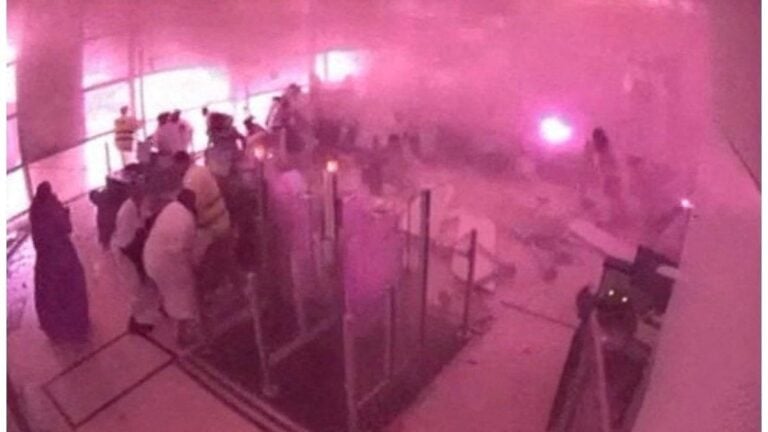
Saudi Energy Minister Vows Response to Houthi Airport Attacks
Riyadh’s international airport attacks killed 14 people and left skies over the Saudi capital largely empty on October...

Sudan Customs Extends Vehicle Clearance Deadline to December 3
Sudan Customs has extended the customs clearance deadline to December 3, 2026, for vehicles at ports granted exemptions...