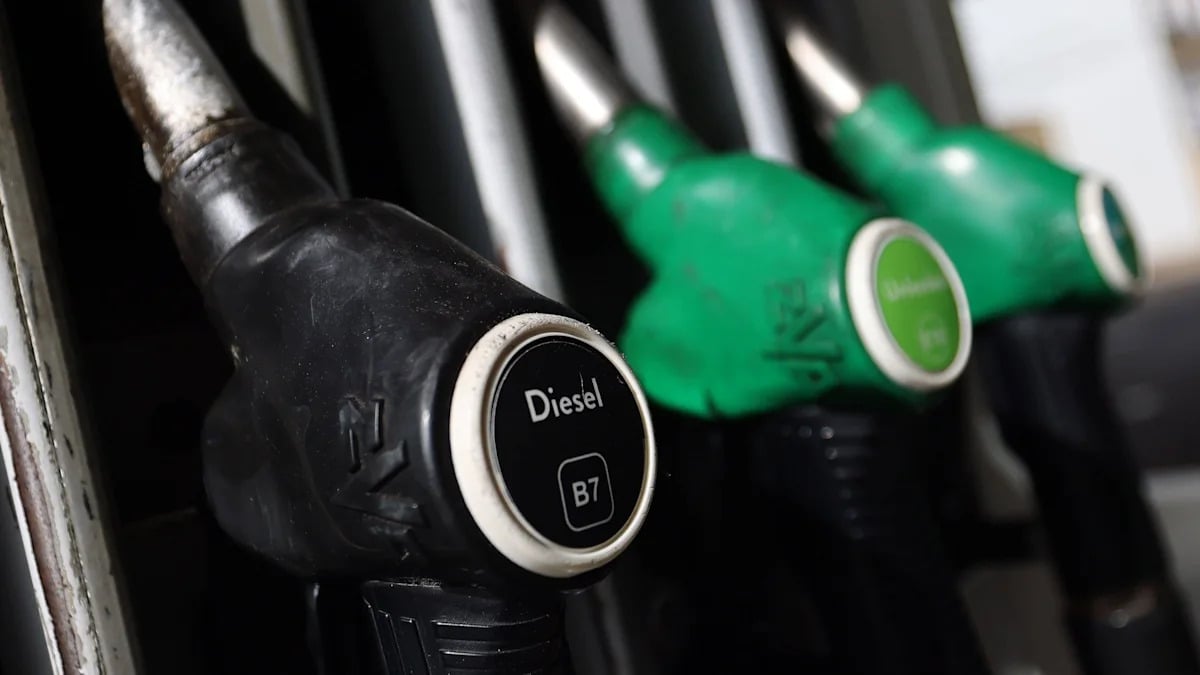
Diesel prices in Jersey have surpassed £2 a litre, sparking concern among local construction and trade businesses over shrinking profit margins. In response to mounting cost pressures, the government has proposed freezing fuel duty in 2027 to help households and transport-reliant enterprises.
Global fuel prices are hitting the island’s commercial sector hard. With local and UK diesel costs recently topping £2 per litre, firms that rely heavily on heavy machinery, transport vehicles, and freight deliveries face an immediate squeeze on their operating budgets.
How Jersey Construction and Trade Firms Are Absorbing the Diesel Price Surge
The construction industry is absorbing a direct hit from the soaring fuel market. Kelly Keating of A&A Scaffolding Solutions explained the compounding difficulties faced by contractors across the island.
Construction is taking a hard hit. We rely on diesel for machinery, vehicles and deliveries, so increases put direct pressure on the cost of carrying out work.
Kelly Keating, A&A Scaffolding Solutions
Keating noted that these fuel hikes arrive on top of rising expenses for materials and freight, making it increasingly difficult to price projects confidently. Businesses find themselves unable to absorb every incremental cost without threatening project viability and ultimately shifting higher prices onto their customers.
Tree-removal and landscaping operations face a similar operational squeeze. Darren Hopkins of Jonathan Le Maistre Ltd noted that his firm depends entirely on machinery like trucks, vans, chippers, and stump grinders that consume significant fuel quantities.
Increased diesel prices will raise our operating costs, reducing margins on jobs and making it more difficult to absorb costs without passing some of them on to our customers.
Darren Hopkins, Jonathan Le Maistre Ltd
Other operators are handling the disruption through administrative adjustments. Jeremy Phillips of Barette Plant Hire reported that fuel surcharges are currently being added directly to hourly rates, though he warned that sustained price growth could halt client projects altogether if costs keep climbing.
Government Proposal to Freeze Fuel Duty in 2027
To counteract cost-of-living pressures, the Government of Jersey has proposed freezing fuel duty throughout 2027. Fuel duty remained frozen across the island from 2023 through 2025 before rising with inflation in 2026. Treasury officials argue that maintaining the current duty rate will prevent additional hardship for households and transport-reliant enterprises.
Prior to the budget’s release, Deputy Lucy Stephenson advocated for a direct reduction in fuel duty. Those plans were withdrawn following assurances from government ministers that alternative relief was on the way.
Treasury Minister Alan Maclean defended the administration’s strategy, explaining that direct duty cuts were rejected because they lacked targeted impact. Instead, the government chose a duty freeze to reduce the levy’s burden in real terms while directing consumer support straight to families and individuals who are struggling the most.
Rather than expecting businesses to absorb increased costs such as higher fuel prices, the budget provides support directly to consumers to help them manage those pressures and spend in the local economy.
Alan Maclean, Treasury Minister
While trade groups acknowledge the proposed freeze as a welcome measure, operators caution that global market forces and geopolitical events remain largely outside local control, meaning the proposed duty hold may offer limited relief if international energy prices keep rising.
>
Related reading

Sensex Closes 1,533 Points Higher at 74,315.61
Indian equity benchmarks Sensex and Nifty rallied sharply on October 15, 2026, defying weak global markets as investors...

Yass Valley Council to Consider 76pc Rate Hike
Yass Valley Council has voted to put three financial options before the public, warning that residents across Yass,...
IEA Forecasts Global Diesel Supply Strain to Persist Into 2027
Global diesel supplies will remain under severe strain well into 2027 as ongoing Middle East conflicts and Russian...
Oriental Land Co. Names Disney Imagination for 2029 Japan Launch
Oriental Land Co. and Disney have officially named Japan's inaugural Disney cruise ship Disney Imagination.