
National cancer control plans across 50 countries scored a median 2.78 out of five for comprehensiveness, with financing, outcome measurement and contextual analysis emerging as the weakest areas, according to an AI-supported assessment published in The Lancet Oncology.
The study used a validated multiagent AI system called the policy reasoning integrated sequential model (PRISM) to evaluate the most recent eligible national cancer control plan for each country. Researchers built an analytical framework of 12 elements and 76 sub-elements informed by international cancer control guidance, validated through a modified two-stage Delphi process involving 67 experts in an online survey and 31 workshop participants.
PRISM combined document ingestion, AI-supported policy analysis using retrieval-augmented generation, and semantic quality assurance, and its performance was assessed against independent dual-expert ratings of six selected plans before being applied across the full dataset.
European countries achieved the highest regional median score at 2.96, while the Western Pacific region recorded the lowest at 2.21. Among income groups, lower-middle-income countries had the highest median score at 2.97, compared with 2.05 in low-income countries.
At the element level, implementation achieved the highest median score at 4.17, followed by health services at 3.89 and governance and organisation at 3.67. Conversely, financing scored 1.88, outcomes 1.83, and threats 2.19. The financing element showed a particularly large gap, with five of its 11 sub-elements receiving median scores of 1.0 or below.
The researchers propose that shared health systems frameworks and scalable AI assessment tools such as PRISM could support more consistent comparisons between countries, and that rapid appraisal may help policymakers develop timely, achievable, evidence-informed and context-specific cancer control plans incorporating the latest available data.
Keep reading
- IT Worker From UP Dies After Assault by Influencer’s Father, Tenant in Delhi
- Indonesia Revokes PT RAPP Forest License, Returns 338,536 Hectares to State
- Median Net Worth Peaks at 75+ in the Fed's Survey, but the Lead Is Thin (daybreakwire.com)
- Top UN court finds Myanmar committed genocide against Muslim Rohingya (newsarchyuk.com)

IT Worker From UP Dies After Assault by Influencer’s Father, Tenant in Delhi
A 28-year-old IT worker from Chennai died on November 14, a week after the family of a Delhi...
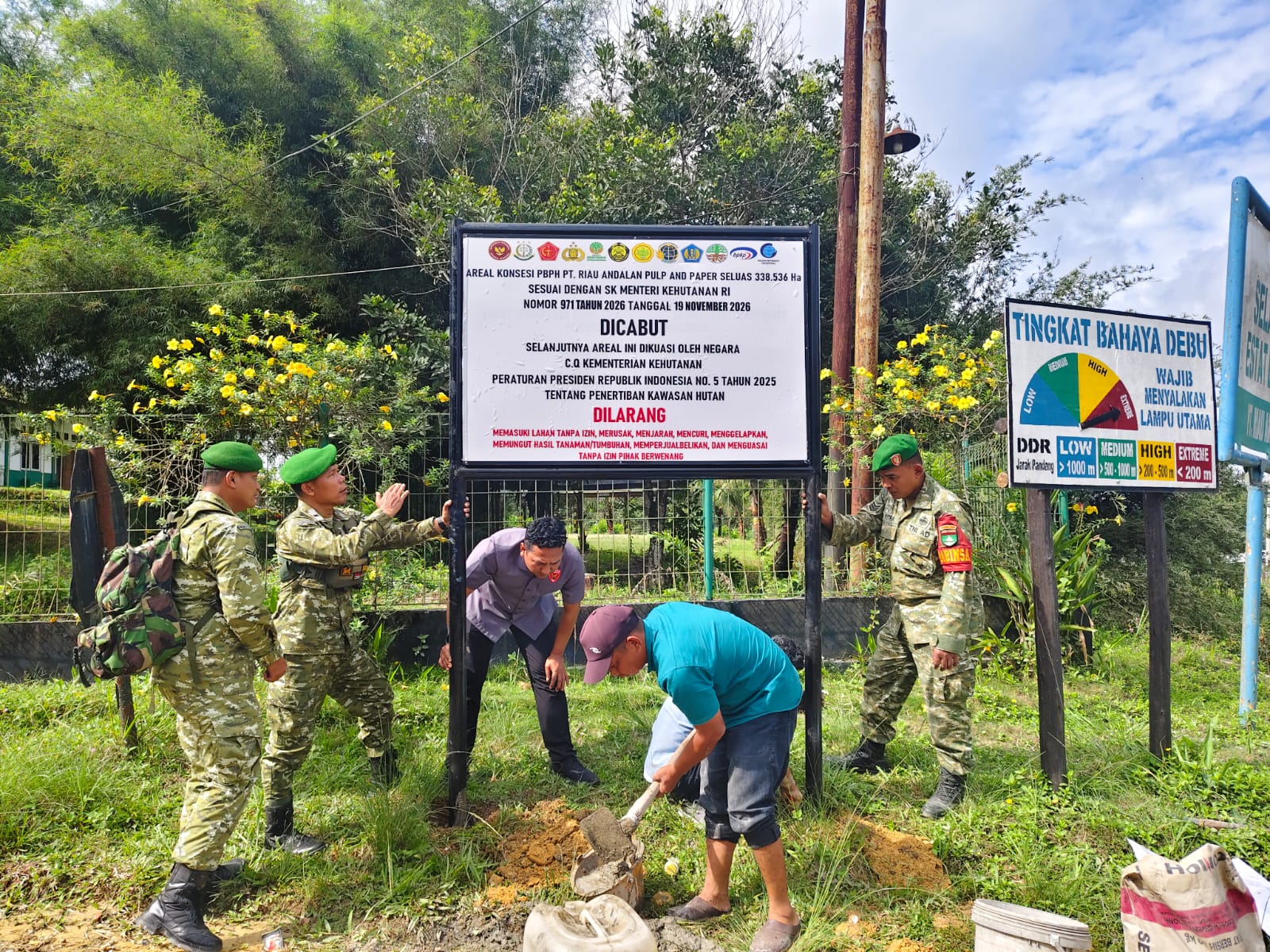
Indonesia Revokes PT RAPP Forest License, Returns 338,536 Hectares to State
Indonesia's Forest Area Enforcement Task Force, known as Satgas PKH, revoked the forest utilization license of pulp and...

PAHO Revokes US Measles Elimination Status; CDC Counts 5,400+ Cases
The Pan American Health Organization has revoked the United States’ measles elimination status, ending a run that began...

Judge Tells Joshua Allen It Is ‘Decision Time’ on Nine Charges
Joshua Allen was supposed to decide his plea in September. He showed up at Midleton District Court on...