
Wall Street Wipes Out $2 Trillion as AI Shares Sink After Democratic Midterm Sweeps
Stock markets sank two days after Democrats overwhelmingly won the midterm elections, driven by a sharp sell-off in artificial intelligence shares that sent the tech-heavy NASDAQ down more than 5%. NPR reported on ualrpublicradio.org that the rout wiped out more than $2 trillion in market value, marking the worst single day for markets since President Trump announced sweeping tariffs on Liberation Day in April last year.
The sudden drop followed a day of relief rallies on Wall Street. Going into the midterm elections, investors worried intensely about contested congressional races leaving the fate of Washington undecided. When those fears dissolved into decisive Democratic victories, markets initially surged. Yet that relief quickly gave way to a severe market hangover centered squarely on the future of artificial intelligence infrastructure.
Voters Resist Massive Artificial Intelligence Data Centers in Communities
A central theme of the midterm campaigns was voter resistance to massive AI data centers. Communities across the country have pushed back against facilities that consume vast amounts of electricity and water resources, alongside broader anxieties about automation replacing human jobs. Democratic candidates capitalized on this friction, promising strict oversight of the technology both in Congress and across states like Texas.

David Busch, chief investment officer of Trajan Wealth, outlined the core anxiety driving investors away from tech equities.
There is some concern regarding AI regulation and fears that there could be far more regulations coming to AI technology, as well as a pushback on the build-out of data centers across the country.
Major tech firms including Meta and Alphabet have poured billions of dollars into building out the complex data infrastructure required to train and run advanced AI models. If federal lawmakers and state regulators enact coordinated restrictions on data center construction, the underlying timeline and profitability of those massive investments face serious delays.
Busch noted that regulatory friction on multiple fronts risks slowing down both technological progress and the necessary physical infrastructure, potentially leaving institutional and retail investors without their projected returns.
The Impact on Main Street Portfolios
While the immediate sell-off hit high-flying tech stocks hardest, the broader economic fallout extends directly to average Americans saving for retirement. AI-related companies now comprise roughly half of the S&P 500 index.
Because millions of workers hold exposure to these corporations through standard 401(k) plans and pension funds, widespread volatility in the AI trade translates directly into fluctuations in everyday household wealth. Whether this sharp correction marks the beginning of a prolonged cooling period for artificial intelligence investments remains uncertain as markets digest the new political reality in Washington.
Worth a look
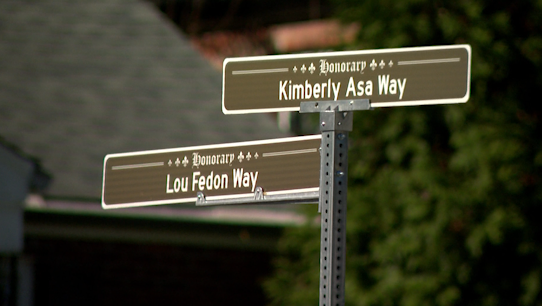
Louisville intersection renamed for two 2025 UPS plane crash victims
Honoring the Youngest Victim and The Neighborhood Dad at a South Louisville Intersection When Shirline Fedon stepped up...

Riva Road Closed in Annapolis After Major Sewer Main Break
The Evening Commute Breakdown on Riva Road A sudden sewer main break ripped open the asphalt on Riva...

Regions Bank to host free college and financial event in New Orleans
High school graduation season often brings quiet anxiety into family living rooms, where the abstract concept of college...

Kansas governor’s race undecided as Secretary of state orders audit
Kansas Governor's Race Undecided as Secretary of State Orders Close-Race Audit Washburn student Brylee Miller felt the pinch...