Winter Travel Conditions and Itinerary Planning in Anchorage, Alaska
When winter weather settles over Anchorage, Alaska’s largest city transitions into a distinct seasonal environment marked by roughly 130 annual sunny days set against sub-zero temperatures and extensive snowpack. Destinationless Travel reports that while the city offers accessible urban amenities, visitors planning regional winter excursions face logistical challenges requiring advance planning, specific clothing layers, and winter-ready rental vehicles.
Public transportation does not reliably reach destinations outside the municipal boundaries, meaning independent travelers must arrange private transport or join guided tours to access surrounding wilderness areas. Winter driving conditions across municipal and federal routes demand equipped vehicles and extended travel windows to account for ice and snow accumulation.
Book Nocturnal Excursions to View the Northern Lights
For visitors prioritizing the Northern Lights, organized nocturnal excursions operate out of Anchorage. These tours depart at approximately 8:00 p.m., lasting between six and nine hours. Operators provide heated portable winter shelters equipped with chairs and heaters, professional aurora guides, hotel transfers, hot drinks, snacks, and on-site photography assistance. Pricing and availability vary by operator, and bookings feature free cancellation options.

Daytime wildlife and glacier itineraries depart earlier in the morning, typically around 8:00 a.m. or 9:00 a.m., and range from 3.5 to 7.5 hours in duration. Popular routes include the Chugach National Forest, Bird Point for bald eagle viewing, Beluga Point to scan Turnagain Arm for beluga whales, and the Alaska Wildlife Conservation Center. The conservation center houses brown bears, musk oxen, bison, caribou, wolves, and lynx, operating with an admission fee included in select tour packages.
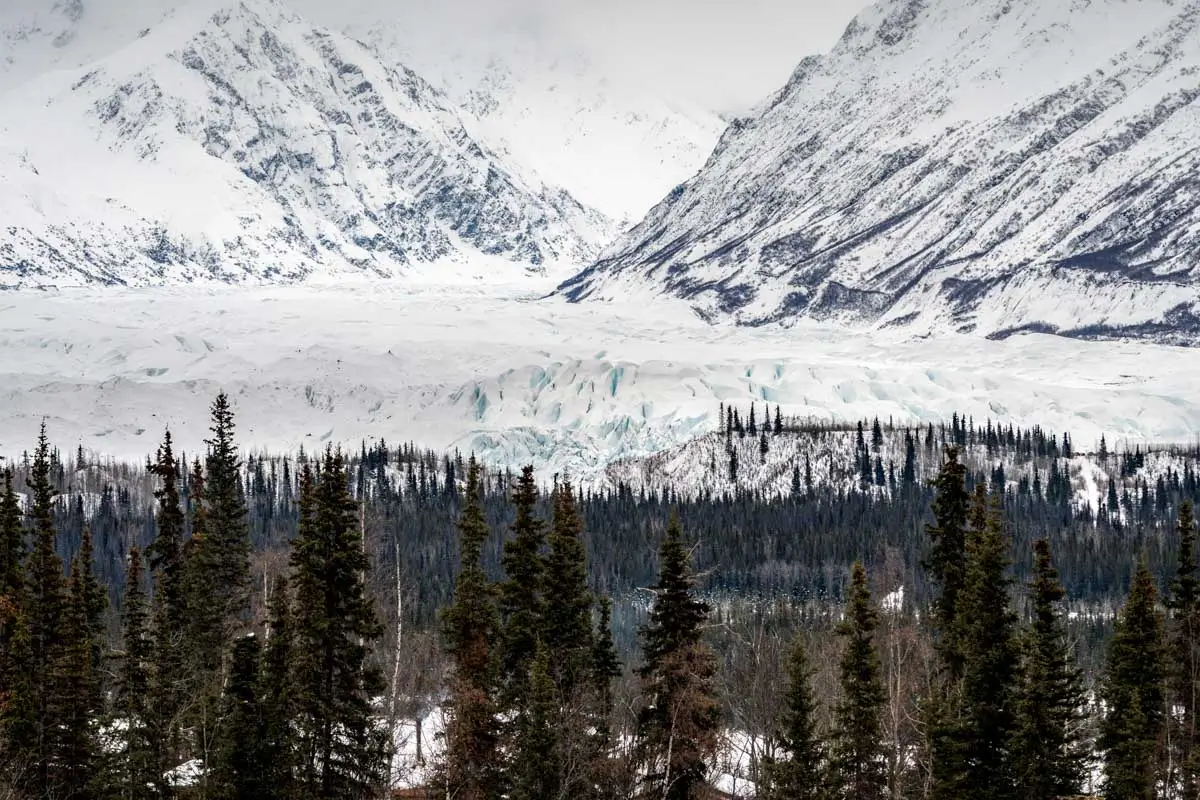
Wilderness excursions also feature guided glacier hikes on the Matanuska Glacier within the Matanuska Valley. These 7.5-hour programs supply participants with spiked footwear, helmets, safety orientations, and bottled glacier water, guiding visitors across blue ice formations and frozen caves.
Explore Historical Landmarks and Cultural Sites in the City
Within the city limits, small-group driving and walking tours cover historical and cultural landmarks. These include Earthquake Park, which highlights the ground shifts from the 1964 earthquake, Ship Creek to observe salmon runs, the ULU Factory for traditional knife-making demonstrations, and Alaska Wild Berry Products, noted for its 20-foot chocolate waterfall. Culinary stops feature smoked salmon and reindeer sausage tastings.

Indoor cultural exploration centers on three primary institutions:
- Anchorage Museum: Located downtown, featuring Alaska Native art, cultural objects, rotating exhibitions, and the Smithsonian Arctic Studies Center. Open Tuesday through Sunday; general admission is $25 USD.
- Alaska Native Heritage Center: Features life-size traditional village sites and exhibits detailing indigenous cultures. Winter visits are primarily self-guided with a suggested $15 USD donation, operating Monday through Friday.
- Alaska Aviation Museum: Houses historic aircraft, bush planes, and aviation artifacts along Lake Hood. Open daily with nonresident adult admission priced at $23 USD.
Visitors are advised to monitor official venue websites for updated seasonal hours and exhibit details prior to arrival.

Kansas governor’s race undecided as Secretary of state orders audit
Kansas Governor's Race Undecided as Secretary of State Orders Close-Race Audit Washburn student Brylee Miller felt the pinch...
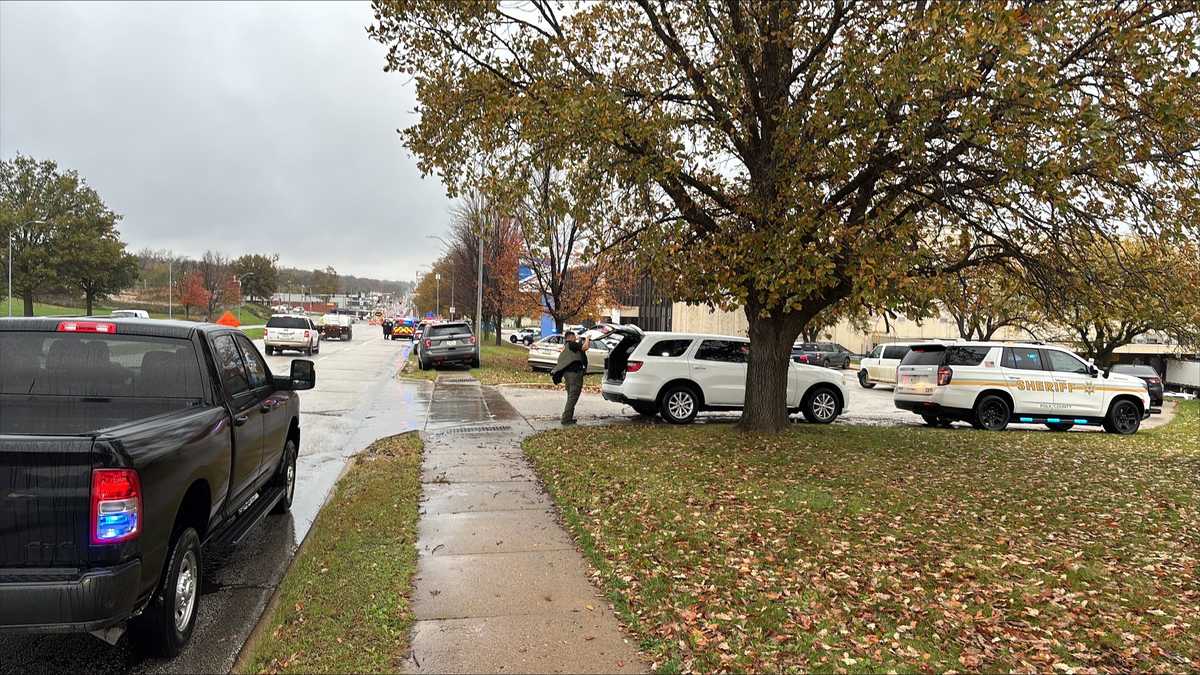
Postal Worker Detained After Shooting Injures Three at Des Moines Post Office
Attempted Murder Charges Filed After Active Shooter Incident at Des Moines Post Office Three people sustained non-life-threatening injuries...

Northwestern faces Indiana in Big Ten tournament semifinal
The top-seeded Northwestern field hockey team enters Friday's Big Ten Tournament semifinal in Columbus looking for a sharp...

Carol Stream Mayor and community mourn Glenbard North graduate Giana Dettloff
Glenbard North High School Gathers for Visitation of Giana Dettloff "Tomorrow's not promised. You gotta hug your kids...