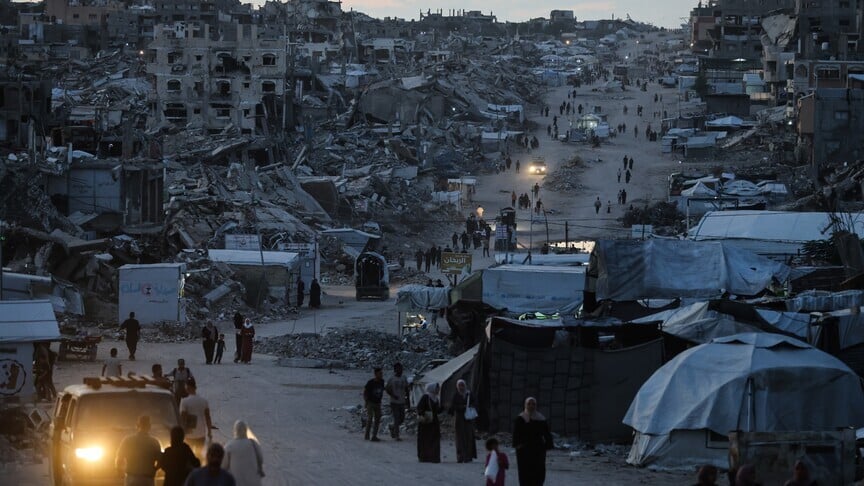
As winter approaches, 1.65 million displaced Palestinians in Gaza face a fourth season in worn tents and damaged buildings. International aid groups warn that strict Israeli restrictions on core shelter materials and severe funding shortfalls mean bringing in necessary supplies will take over seven months.
Norwegian Refugee Council Warns of Seven-Month Delay for Winter Shelter Supplies
Ongoing restrictions imposed by Israeli authorities are severely limiting the entry of critical shelter items into the Gaza Strip.
These supplies, which include essential items like tents and tarpaulins, can only be offloaded at the Kerem Shalom crossing one day per week. With a minimum of 500 truckloads of shelter materials currently in the pipeline, humanitarians calculate that under the best possible conditions, it will take more than seven months just to bring these supplies across the border.
The Palestine Shelter Cluster estimates that almost 300,000 families require shelter assistance. However, donors have provided or pledged only 34 per cent of the 283 million USD required for a minimum winter response. This leaves a funding shortfall of 186.6 million USD, restricting current aid stocks to cover only about 52,000 families.
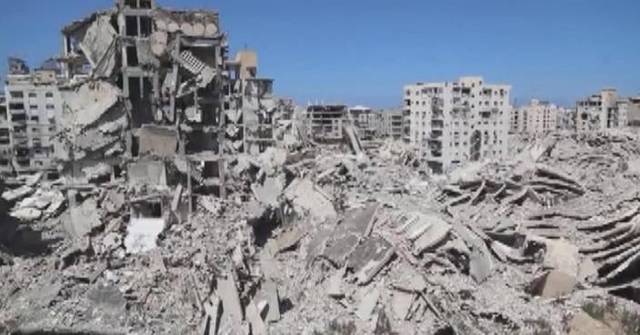
Israeli authorities classify core shelter and household items such as timber, cement, tools, rope, and duct tape as dual-use materials. According to Palestinian figures, Israel’s military campaign in Gaza since October 2023 has killed more than 74,000 people, injured over 175,000, and reduced approximately 90% of the enclave’s infrastructure to rubble.
Displaced Families Protest in Khan Younis Amid Severe Aid Shortages
“Our tents are torn and our stomachs are empty. Do not leave us to the unknown.”
Displaced protesters in Khan Younis, via Anadolu Agency
Local officials managing the area report that 35 displacement camps in Fash Farsh currently shelter approximately 6,000 families, totaling roughly 40,000 individuals. Ahmed Hassan Al-Najjar, who oversees Fash Farsh, noted that residents face severe shortages of food parcels alongside tents and tarpaulins. Residents warn that without immediate intervention, heavy rains and strong winds will leave thousands completely exposed, echoing the hardships of previous winters when flooding destroyed makeshift dwellings and extreme cold led to casualties, particularly among children.
Gaza Municipality and Civil Defense Detail Structural Collapse Dangers
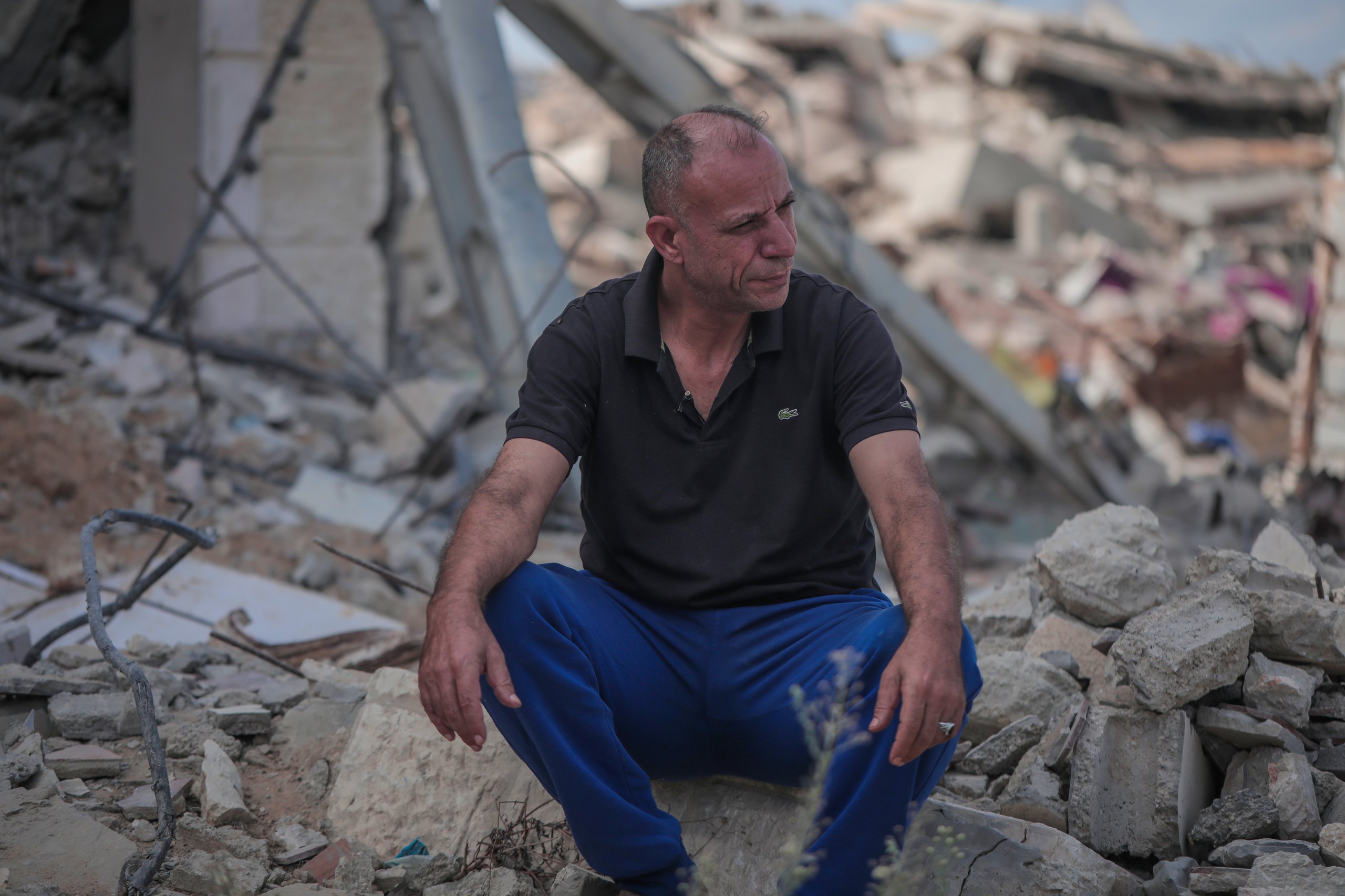
Beyond the tent encampments, thousands of displaced families are sheltering inside severely damaged multi-story buildings that face an immediate risk of collapse. Officials note that a residential building collapse in Gaza City last month resulted in the deaths of 21 people, including women and children.
Samah Mosleh, displaced from Beit Hanoun with her seven children, described her family’s precarious living situation beneath the fractured upper floors of a damaged structure in Gaza City because local displacement camps have run out of space.
“We have nowhere else to shelter. I tried to find a place where we could set up a tent, but there is no space in the camps. This building could collapse at any moment, and I fear for my children. Winter hasn’t even arrived yet, and things could get even worse.”
Samah Mosleh, displaced resident
Municipal leaders and emergency responders argue that allowing heavy construction materials, particularly cement, into the enclave would enable repairs to partially damaged structures and prevent further tragedies.
Worth a look

Ethiopian Government Forces Regain Control of Mekelle from TPLF
Pro-government forces regained control of Mekelle, the capital of Ethiopia’s Tigray region, on October 4, 2026, following a...
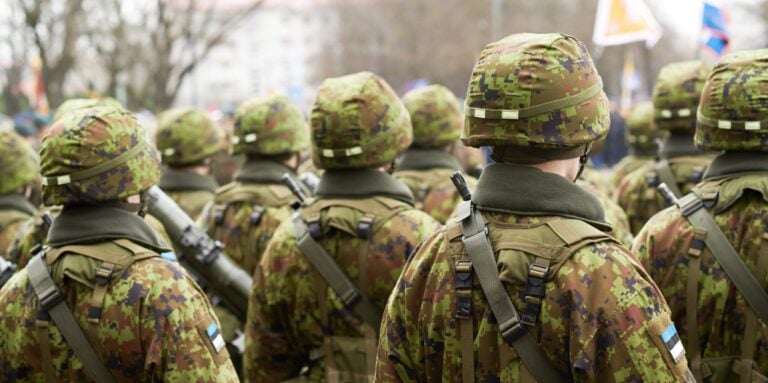
Estonia Increases Defense Spending to 5.4% of GDP for 2026
Estonia will spend 5.4 percent of its gross domestic product on defense, allocating €2.4 billion for 2026, as...

Lewis Hamilton Recalls Ferrari Tyre Debate After Bahrain GP in Malaysia
Lewis Hamilton secured a third-place finish at the Bahrain Grand Prix in Malaysia on October 4, 2026, after...

Global Probashi Pujos Plan Ambitious Durga Puja Events Despite Rising Costs
Global logistical cost pressures have not deterred Bengali associations in Dublin, Sweden, and New Jersey from organizing ambitious,...