
State contractor mobilizes equipment at Cascade Point
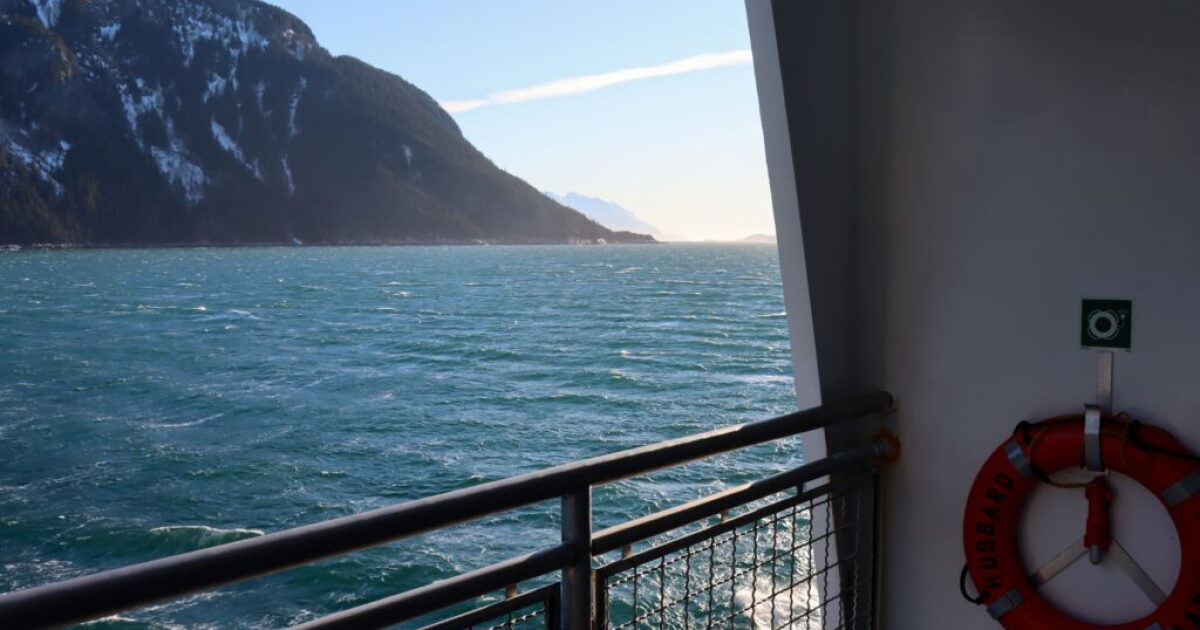
The Alaska Department of Transportation and Public Facilities has greenlit a contractor to begin site preparation for the controversial Cascade Point Ferry Terminal, sparking immediate pushback from environmental advocates and state lawmakers. As of early November 2026, Sitka-based K&E Alaska Inc. has begun moving equipment to the location between Juneau and Haines, according to reports from Alaska Public Media and the Anchorage Daily News.
While the state maintains that this initial stage is a standard procedural step, the development has intensified concerns regarding the administration’s strategy. Critics argue that the Dunleavy administration is intentionally fast-tracking the project to secure a foothold before the next governor assumes office.
The jurisdictional divide
The status of the project hinges on a complex jurisdictional determination issued by the U.S. Army Corps of Engineers. This federal ruling clarified that the first phase of the terminal project—which focuses on upland construction rather than the terminal itself—does not impact federally regulated waters.
Randal Vigil of the Corps’ Alaska District noted that it is conceivable for the state to perform work at the site without requiring federal permits, provided that the activity avoids these specific jurisdictional zones. This interpretation has provided the legal opening for the Department of Transportation (DOT) to move forward with site mobilization despite the broader controversy surrounding the terminal’s future.
Conflict over project segmentation
The decision to initiate construction in phases has drawn sharp criticism from the Southeast Alaska Conservation Council (SEACC). On October 30, the organization issued a cease-and-desist letter to the DOT after staff members observed excavators at the site.
Stacy Unzicker, a staffer with SEACC, stated that the organization is deeply concerned about the state’s decision to advance Stage 1 without obtaining the necessary permits to finish the entire project. In a written statement, she accused the administration of “unlawfully dividing the project up” to ensure it cannot be easily halted by a future administration.
State Representative Louise Stutes, a Republican from Kodiak who sits on the House Transportation Committee, echoed these concerns during a recent interview. “This clearly is a situation of trying to beat the change of administration,” Stutes said, noting her apprehension that the state is committing millions of dollars to a project that faces significant public opposition and may never be fully realized.
The official DOT perspective
DOT spokesperson Justin Shelby has maintained that the agency is operating within the bounds of the law. Regarding the allegations of improper project segmentation, Shelby stated that the agency is “following all applicable laws and regulations” and denied that the staging of equipment constitutes an attempt to bypass standard procedures.
The project, which carries a $28.5 million contract for its current phase, is intended by the DOT to shorten the ferry route, reduce fuel consumption, and improve the overall efficiency of the Alaska Marine Highway System. However, the proposal remains unpopular among many residents in Juneau, Haines, and Skagway, who argue that the new terminal will complicate travel by forcing passengers to navigate an additional 30 miles of road to reach the facility.
Next steps for the Cascade Point site
Although equipment is now on-site, actual construction has not yet begun. Before breaking ground, the state and its contractor must finalize several requirements, including an environmental review checklist, a Stormwater Pollution Prevention Plan, and consultations mandated by the Alaska Historic Preservation Act.
State Senator Jesse Kiehl, who represents the affected communities, questioned the logic of proceeding under these conditions. “If you don’t know that the ultimate thing you’re going to build for the whole project is going to be allowed, why would you start building yet?” Kiehl asked.
For now, the timeline for the first phase remains fluid. According to the DOT, it is possible that construction could commence before the end of the year, though it could also be delayed into 2027 depending on the pace of the remaining regulatory reviews.
Keep reading
Senfronia Thompson Claims Enough Votes to Become Texas House Speaker
A Historic Shift in the Texas House State Rep. Senfronia Thompson, a fixture of the Texas Legislature since...

Marsha Blackburn wins Tennessee governorship with 45.5% of vote
A Victory in the Reddest State That Felt Like a Warning The election night party for U.S. Senator...

Fargo Force Lead USHL Standings as Tri-City and Waterloo Chase Top Spot
Fargo Force Maintain Command as USHL Standings Tighten The Fargo Force enter this weekend’s slate of games firmly...

Rhode Island Recycling Debate Intensifies Over Proposed Bottle Bill
Rhode Island is once again wrestling with the stubborn logistics of its waste stream, as state officials reopen...