
Albuquerque City Council Approves Fiery Charter Review Task Force
Albuquerque’s City Council narrowly approved the creation of a permanent charter review task force on November 2, setting in motion a sweeping examination of the city’s foundational governing document that will culminate in a potential public vote in 2027, The Paper reported.
The 5-4 vote on Ordinance O-26-66 came after a contentious debate that saw council members who typically align on policy clash over mayoral power and legislative control. The ordinance, which establishes a 15-member task force to review the city’s 1974 charter every decade, passed with Vice President Dan Champine and Councilors Joaquín Baca, Renée Grout, and Nichole Rogers in opposition. The measure was originally sponsored by Champine, Grout, Rogers, and Councilor Stephanie Telles, who later proposed a significant amendment that reshaped the proposal.
The Amendment That Sparked the Firefight
The original proposal called for a task force of 11 voting members—one appointed by each of the nine councilors and two by the mayor. However, Telles introduced a late amendment that fundamentally altered the balance of power, expanding the group to 15 voting members. Her plan would see councilors appoint nine members and the mayor appoint five, with those 14 members then selecting a 15th member to serve as chair. The amendment also added a nonvoting consultant to be hired through the City Clerk’s Office and imposed a two-year waiting period for individuals who recently held certain city positions or ran for city office. Most critically, it required a two-thirds vote from the City Council to approve the task force’s final recommendations.
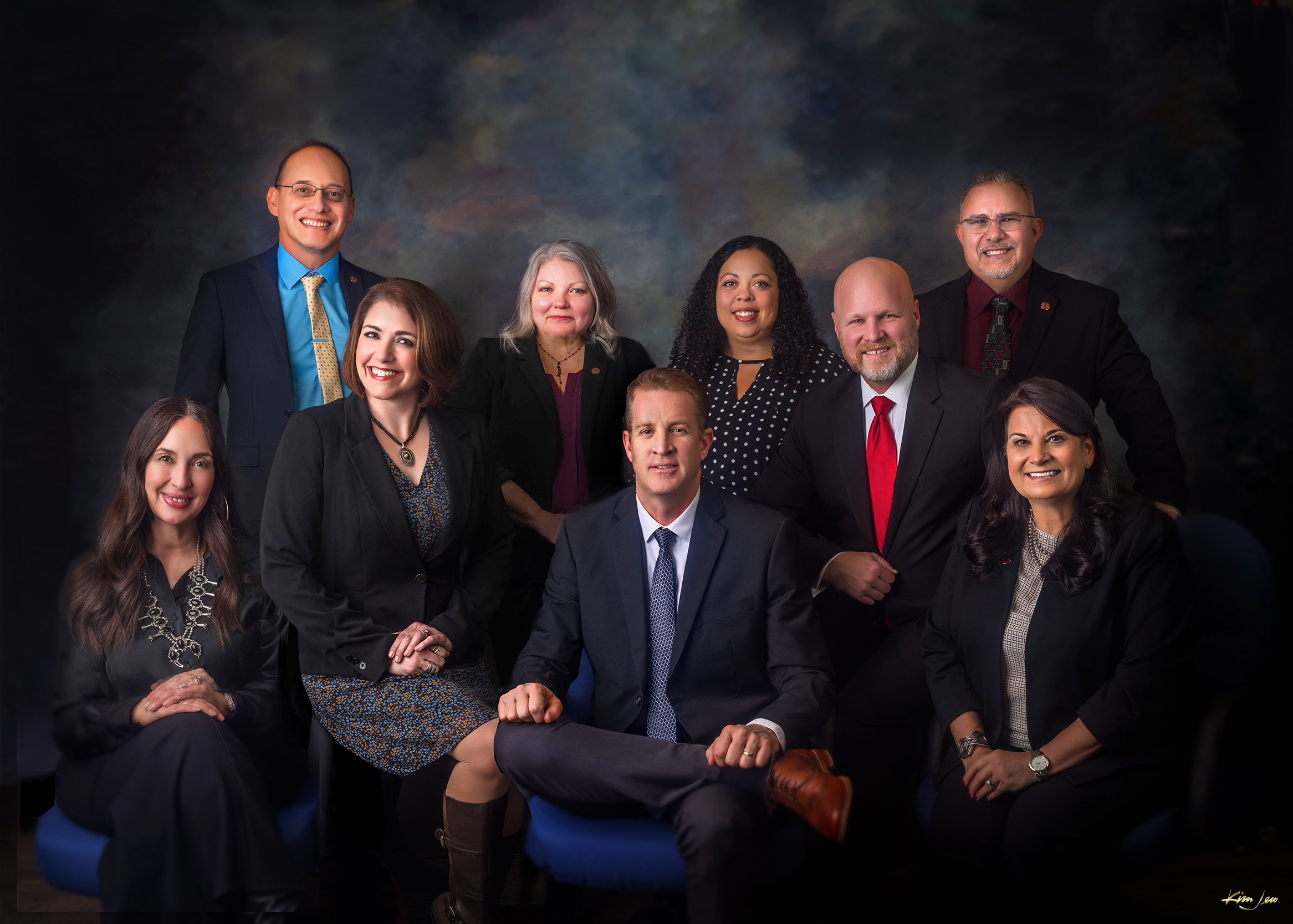
These changes ignited a fierce debate over the very nature of legislative authority in Albuquerque. If you put together a giant amendment, you probably should have had the job for longer than a year before you try to make legacy ordinances,
Baca said, directly questioning Telles’s experience and the sudden scope of her proposal. For her part, Telles pushed back sharply, retorting, Seniority isn’t an argument. Mansplaining isn’t an argument. I was voted to represent my district from day one, not after a waiting period of a year.
The tension was palpable. Rogers, who had been a cosponsor of the original measure, declined to close the debate, citing the substantial nature of the amendment. My mom says if you don’t have nothing nice to say, don’t say nothing,
she stated, a clear signal of her displeasure. Telles later acknowledged she had contacted her cosponsors before the meeting, apologizing to two of them and attempting to reach Rogers, who did not return her call.
A Question of Power and Process
At the heart of the dispute was a fundamental disagreement over the separation of powers. Opponents argued the charter review is squarely within the Council’s legislative purview and that Telles’s amendment unconstitutionally ceded influence to the mayor. The amendment substantially changed the original proposal,
Rogers' non-partisan remark highlighted the procedural conflict.
Councilor Tammy Fiebelkorn directly challenged the claim that the measure gave the mayor control, pointing to the numbers. The mayor would appoint five members while councilors would appoint nine,
she noted, highlighting the continued majority influence on the council’s side.
The Road Ahead for Burqueños
With the ordinance now approved, the practical work begins immediately. The mayor and City Council members will start selecting the 15 task force members ahead of the group’s January 2027 launch. Importantly, this process is not exclusive to elected officials; Burqueños from all walks of life can also apply for appointment through the City Clerk’s Office, opening the door for broad community participation.
The task force faces a tight but defined timeline. It must complete its review and deliver its recommendations to the City Council in time for a decision on whether to propose any charter amendments to the public. Those potential changes would then appear on the November 2, 2027, ballot, giving Albuquerque voters the final say on the future of their city’s foundational laws.
The debate over Ordinance O-26-66 is more than just a political squabble; it is a referendum on how Albuquerque chooses to govern itself.
This process is about more than just changing words on a page; it’s about ensuring our city government works for the people of today and can adapt for the challenges of tomorrow. The real test will be whether the task force can rise above the politics that created it and deliver a charter that serves the public good.
Worth a look

Gov. Armstrong and RFK Jr. Discuss Regenerative Agriculture and Soil Health in North Dakota
Governor Kelly Armstrong met with U.S. Secretary of Health and Human Services Robert F. Kennedy Jr. at Black...

Midwest City Achieves Official Oklahoma Film Friendly Certification
Midwest City, Oklahoma, has officially become the 46th community to receive Oklahoma Film Friendly Certification from the Oklahoma...

Rusty Shane Sturgill Charged After Dog Attack and Assault in Portland
Rusty Shane Sturgill faces felony charges following North Portland assault and dog attack A man with a long...

DeWine opposes efforts to change governor’s powers
Ohio Gov. Mike DeWine has begun talks with Governor-elect Amy Acton about her administration and indicated he does...