American whiskey production traces its roots through centuries of family businesses, shifting ownership, and the era of Prohibition.
While many historic sites vanished during the early 20th century, several locales have managed to keep their stills running, often using a combination of historic buildings and modern equipment to maintain their legacy.
According to World Atlas, these surviving operations represent a direct link to the country’s early industrial and agricultural heritage. While Kentucky holds the largest concentration of these historic facilities, large operations also endure in Tennessee, Indiana, and parts of the Northeast. These distilleries do more than just produce spirits; they serve as living museums of American craftsmanship.
The survival of these sites often depended on how they managed legal shifts in the past. Some facilities managed to maintain production even when alcohol was banned, often under specific federal authorizations. This resilience has allowed certain brands to bridge the gap between colonial-era traditions and the global spirits market of today.
Kentucky dominates historic sites
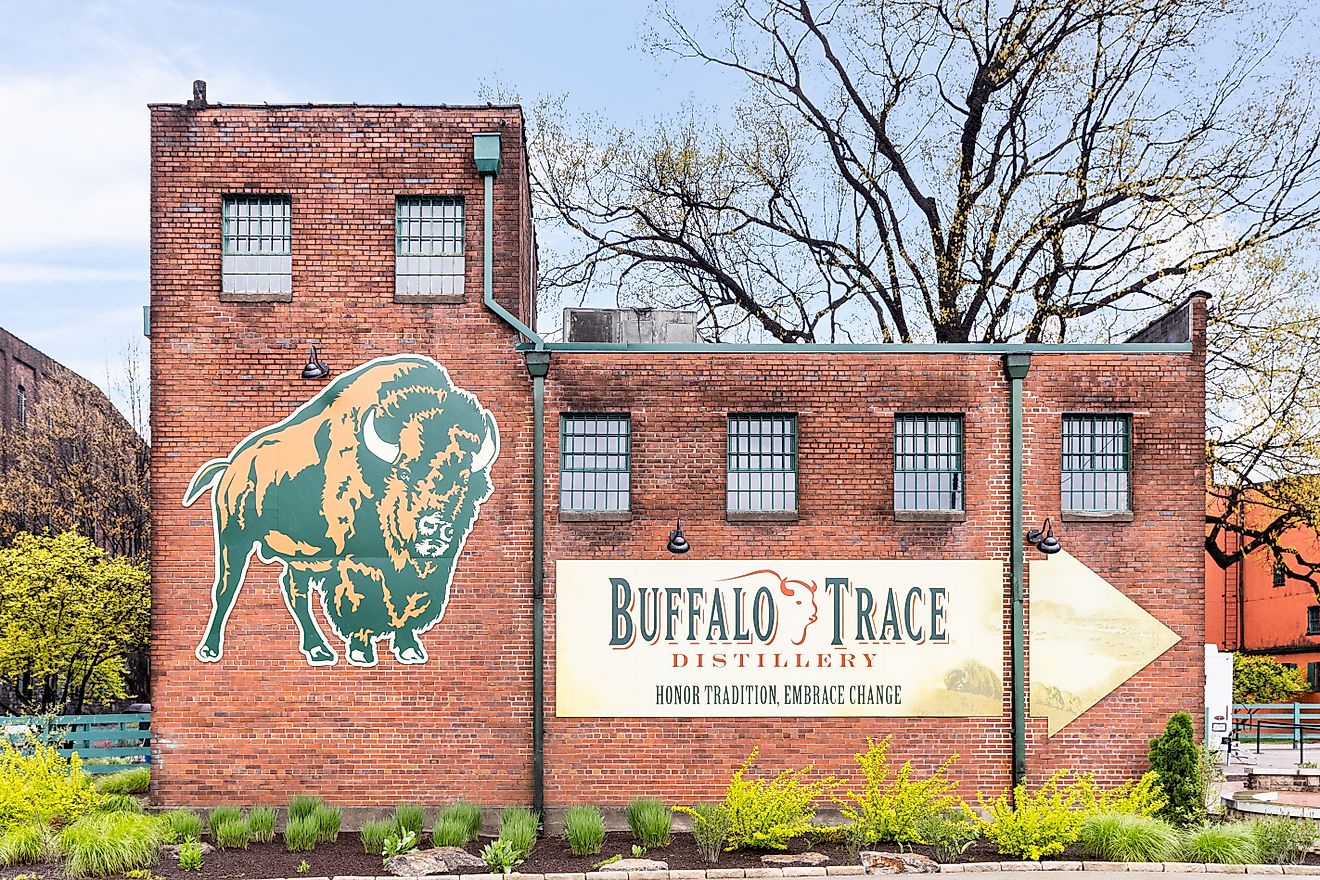
Buffalo Trace Distillery in Frankfort, Kentucky, stands as a primary example of this longevity. Having distilled on its grounds since 1775, it is widely considered the oldest continuously operating distillery in the United States, World Atlas reported. Its proximity to the Kentucky River provided a vital transport route for early producers.
The distillery underwent significant changes under Edmund Haynes Taylor Jr., who purchased the site in 1870. While it was known as the George T. Stagg Distillery for a period, it adopted the Buffalo Trace name in 1999. The business remained active during Prohibition by producing whiskey for "medicinal purposes." This historical significance led to the property being designated a National Historic Landmark in 2013.
Other Kentucky landmarks rely on specific geological and botanical advantages to maintain their character:
- Maker’s Mark Distillery: Located in Loretto, this site occupies the former Burks’ Distillery property, which has a milling history dating back to 1805. Bill Samuels Sr. began producing Maker’s Mark here in 1954, using soft red winter wheat to create a gentler flavor profile.
- Woodford Reserve Distillery: Established by Elijah Pepper in 1812 in Versailles, this site uses limestone buildings and copper pot stills. Though production paused at various points, Brown-Forman restored the facility in the 1990s and launched Woodford Reserve in 1996.
- Barton 1792 Distillery: While the Barton name dates to 1792, the distillery in Bardstown began in 1879. The site features 196 acres of land, including the Tom Moore Spring.
- Four Roses Distillery: Built in 1910 as the Old Prentice Distillery, this Lawrenceburg site is notable for its Spanish Mission architecture and is listed on the National Register of Historic Places.
The economic stakes for these regions are high, as the “Bourbon Trail” has become a major driver for local tourism and agricultural demand. However, some historic producers prioritize manufacturing over public access, meaning travelers should verify tour availability before visiting.
Tennessee and Indiana host famous historic distilleries
Beyond the borders of Kentucky, Tennessee and Indiana hold some of the most recognizable names in the industry. Jack Daniel Distillery, officially registered in 1866 in Lynchburg, Tennessee, claims the title of “America’s oldest registered distillery.” Its history is deeply tied to the Cave Spring Hollow, which provides iron-free water from beneath a limestone bluff.
The production process at Jack Daniel’s includes a unique step known as the “Lincoln County Process,” where whiskey drips through 10 feet of sugar maple charcoal. This method distinguishes the spirit from traditional Kentucky bourbon. The distillery’s history also includes the influence of Nathan “Nearest” Green, an enslaved distiller who taught Jack Daniel the craft and served as the operation’s first master distiller.
In Lawrenceburg, Indiana, the MGP Distillery has been operating since 1847, originally founded as Rossville Distillery by George Ross. Unlike many brands that sell exclusively under their own names, MGP acts as a major supplier, providing whiskey that is sold under various other companies’ labels. The facility utilizes an underground aquifer for limestone-filtered water and specializes in rye whiskey.
The distinction between these regional styles often comes down to water sources and grain recipes. For example, MGP produces a widely used rye recipe containing 95% rye and 5% malted barley, while the Jack Daniel operation focuses on charcoal mellowing to define its profile.
The oldest licensed distiller in the nation
While Kentucky and Tennessee command much of the industry’s attention, the title of the oldest licensed distiller in America belongs to Laird & Company in Scobeyville, New Jersey. Robert Laird recorded the first sale of the family business in 1780, though the family’s distilling roots in the region trace back to 1698.
Laird & Company is inextricably linked to “applejack,” a spirit that was a staple in colonial American households. Although the company moved its distilling operations to Virginia in the mid-1970s, its historical identity remains rooted in the New Jersey tradition. Like many of its peers, the business survived Prohibition by receiving permission to produce apple brandy for medicinal use.
The survival of these distilleries highlights a tension between industrial modernization and the preservation of heritage. While many modern producers use highly automated systems, these historic sites often maintain specific, labor-intensive traditions—such as the hand-applied red wax seal at Maker’s Mark—to signal authenticity to consumers.
The legacy of these sites is often measured by the specific environmental conditions they inhabit, from the limestone bluffs of Tennessee to the creeks of Kentucky. For many of these distilleries, the next chapter involves balancing the demands of global distribution with the preservation of the very buildings and methods that made them famous.
Related reading

No. 9 Tennessee Faces Texas A&M in Crucial SEC Road Matchup
No. 9 Tennessee faces a critical road test against Texas A&M this Saturday at 3 p.m. Eastern Time....

Oregon Progressives Gain Power to Push Wealth Tax and Policy Shifts
Oregon progressives roughly doubled their presence in the House and Senate during last week's election as the Democratic...

Why Beating Michigan Is the Only Nonnegotiable Left for Ohio State
In a column for Land-Grant Holy Land, a contributor argues that while Ohio State has three games remaining...

Proposed SNAP Rule Changes Could Impact Nevada Families and Retailers
Federal regulators are moving to tighten how families qualify for food assistance, a decision that could strip nutrition...