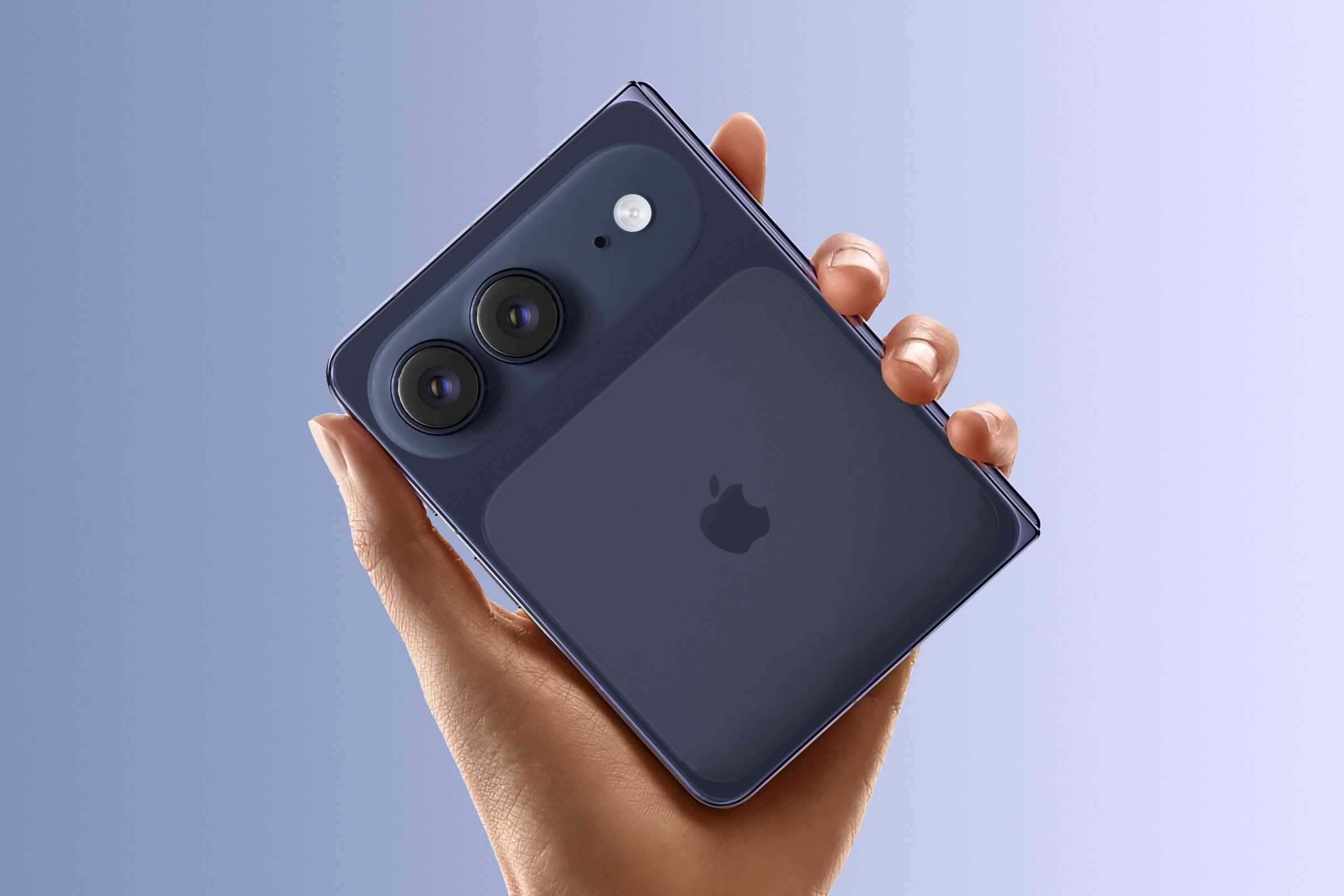
Apple employees inside the company are widely using the moniker “iPhone Ultra” to refer to its upcoming book-style foldable device, though its official public name remains undecided ahead of a planned September event where the hardware is expected to debut alongside the iPhone 18 Pro lineup.
As Apple prepares for its largest hardware event of the year, a colloquial naming debate has spilled out from Cupertino. While external leaks and industry observers have spent years referring to Apple’s first entry into the foldable market as the iPhone Fold, well-sourced reporting indicates that everyday staff inside the company have settled on a different descriptor entirely.
The internal naming convention came to light when Bloomberg reporter Mark Gurman noted on social media that everyone calls it the Ultra internally
. That internal label immediately drew skepticism from outside analysts who pointed out that Apple’s existing Ultra branding typically designates the most powerful or feature-complete tier in a product category, such as the company’s highest-end Apple Silicon chips.
Where the Foldable Fits in Apple’s Lineup
Determining whether the foldable device deserves an Ultra designation depends entirely on how it stacks up against traditional candy-bar flagships. Apple’s product architecture has historically functioned as a straightforward ladder, but the recent introduction of the slim line added a distinct branch to the consumer pathway.
Industry analysts point out that while the foldable will command a massive price tag and feature top-tier display technology alongside the best A-series silicon available, it may not outperform the iPhone 18 Pro Max across every metric. The traditional pro max model is expected to retain a superior camera array, more rugged enclosure materials, enhanced battery capacity, and a more robust cooling system due to space constraints inherent in a folding chassis.
Because the device is positioned above the slim tier rather than strictly above the Pro series, its official marketing title remains an open question. Apple has a long history of shifting product names at the eleventh hour, such as pivoting from internal terms or early rumors before products reach the stage.
Expected Hardware Specifications and Market Pressures
The device is expected to adopt a book-style form factor featuring a cover screen measuring roughly 5.3 to 5.5 inches, paired with an inner foldable panel spanning between 7.3 and 7.8 inches at a 4:3 aspect ratio supporting a 120Hz refresh rate.
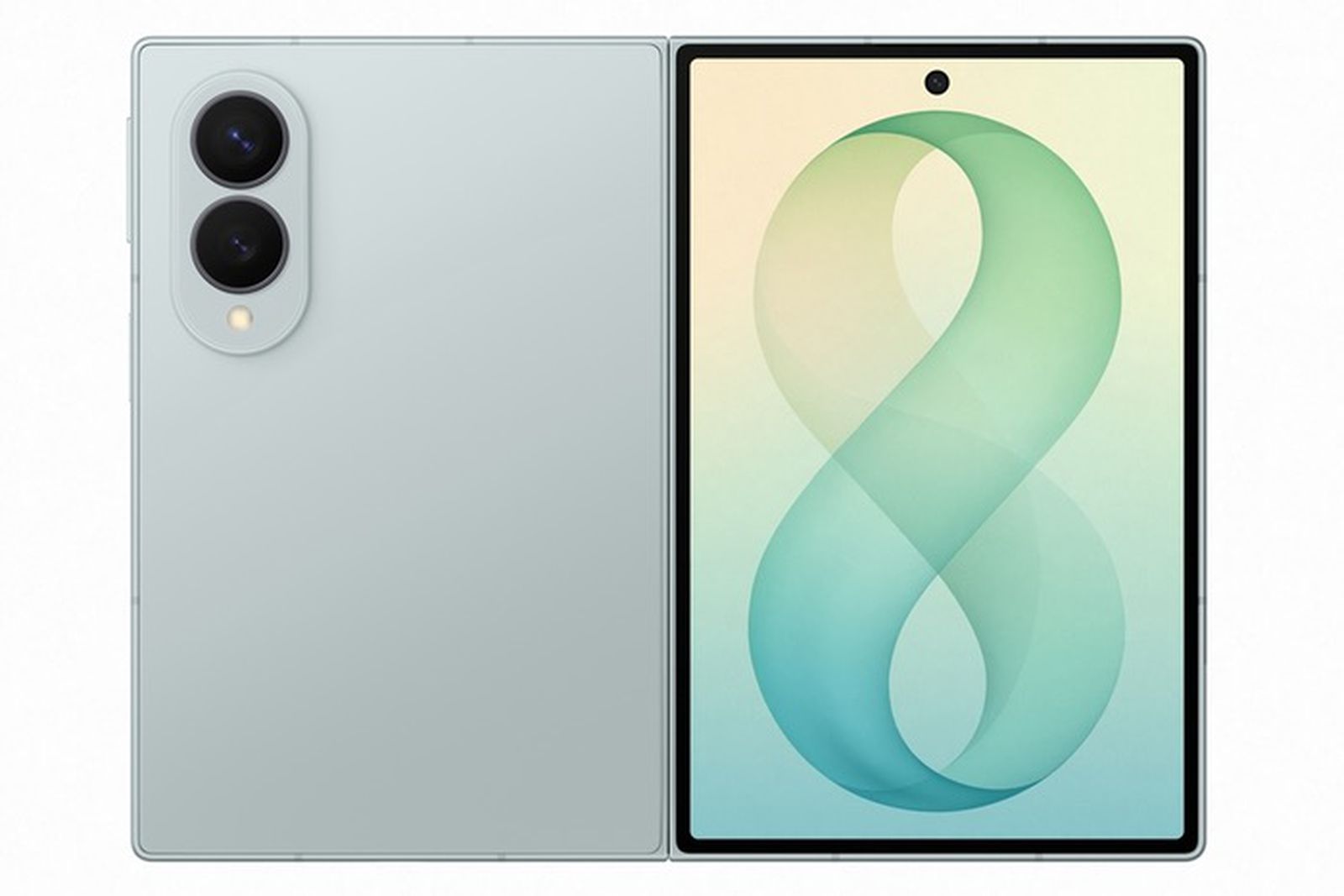
These design choices arrive as competitors ramp up aggressive campaigns in the same category.
Samsung recently reported surging demand for its own book-style folding hardware, building an extra one million units of its competing device after it captured a dominant share of initial pre-orders. Apple’s own foldable display panels are rumored to be exclusively supplied by Samsung Display, tying the Cupertino firm’s hardware ambitions directly to the supply chains of its chief mobile rival.
Pricing and September Launch Timeline
Industry tracking from Bloomberg and supply chain sources indicates that the foldable device will easily cross the in the United States, with some estimates stretching as high as $2,500.

That premium price tag places the device well above current pro models, which start around $1,099 and $1,199 domestically. Apple has opened retail employee applications indicating that its landmark autumn hardware presentation will take place during the first half of September, with Wednesday, September 9 serving as the heavily favored date among industry watchers.
While the formal introduction is expected on that stage, questions remain regarding actual retail availability. Supply chain constraints and manufacturing yields mean that physical stock could remain severely constrained at launch, with some market watchers suggesting a wider commercial rollout might trail the initial September announcement by several weeks or months.
Related reading
- T-Mobile is giving away the new Apple iPhone 18 Pro for free — how to claim
- 10-Year Treasury Yield Tops 5% Amid Heavy AI Infrastructure Borrowing
- Why the iPhone 18 Pro Max Sold in the US Skips Apple's New Modem (daybreakwire.com)
- Apple Titan Labels Kiwifruit Giant Fat And Lazy Amid Expansion Plans (archyde.com)
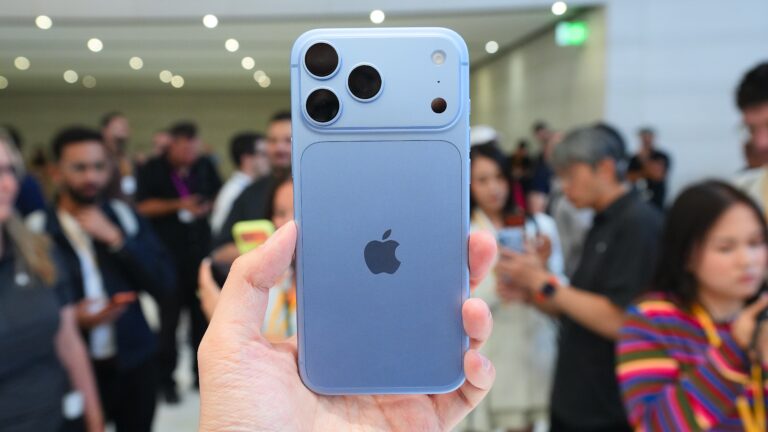
T-Mobile is giving away the new Apple iPhone 18 Pro for free — how to claim
T-Mobile launched its iPhone 18 "On Us" promotion, offering Apple's brand-new iPhone 18 Pro free of charge for...

10-Year Treasury Yield Tops 5% Amid Heavy AI Infrastructure Borrowing
The benchmark 10-year U.S. Treasury yield breached 5% in September 2026, touching multi-decade highs not seen since 2007.

Prix Goncourt Drops Novel After AI and Plagiarism Allegations
France's prestigious Prix Goncourt removed Thélyson Orélien's critically acclaimed novel C’était ça ou mourir from its longlist on...
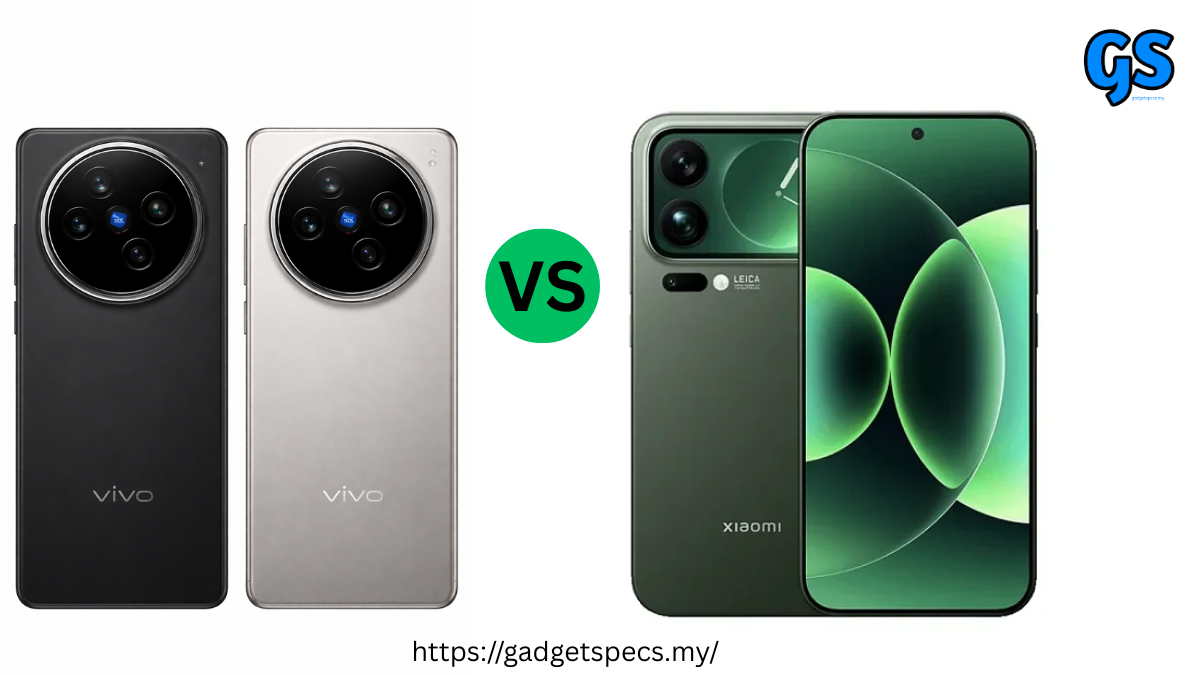
Xiaomi 18 Pro Max and vivo X500 Pro Max Flagship Comparison
Xiaomi and vivo launched their flagship smartphones at an identical starting price.