Congo Ebola Outbreak Reaches 11,145 Cases
Six months after an Ebola outbreak was declared in the Democratic Republic of Congo, government data shows confirmed cases have surpassed 11,000 with nearly half of those infected dying, according to data from the Centers for Disease Control and Prevention.
Among the 17 recorded in Congo, this outbreak stands as the most lethal and is currently on pace to surpass the fatalities of the 2014–2016 West African epidemic, which claimed roughly 11,000 lives. Basic public health measures such as contact tracing and isolation remain inadequate, according to experts cited by the Associated Press and reported by The Times of India.
By the time officials formally announced the outbreak in mid-May, 43 fatalities had already been documented, signaling that the virus had been spreading silently for quite some time. It has since spread to eight of Congo’s 26 provinces, putting further pressure on an already strained healthcare system.
“We do see encouraging signs,” said Chikwe Ihekweazu, head of the World Health Organization’s Health Emergencies Programme, citing falling cases in former hotspots like Bunia in eastern Democratic Republic of Congo, as reported by The Straits Times.
Conflict and insecurity are making it harder for health teams to reach communities affected by the #Ebola outbreak in the DRC. Six months into the outbreak, most early epicentres have been brought under control. Yet the outbreak is expanding geographically, particularly in areas…
Spread to Remote Areas and Neighboring Nations
While cases have dropped in some urban centers, health authorities caution that the disease continues to spread to more remote and dangerous parts of Congo. The outbreak is driven by the rare Bundibugyo virus, for which there are no approved treatments or vaccines.
The virus has also crossed international borders. Kenya’s Ministry of Health has confirmed 9 cases of Ebola disease and 2 deaths as of October 23, according to Contagion Live. A man who contracted the virus started his journey in the DRC, passed through Uganda, and arrived in Nairobi, where he was hospitalized and ultimately passed away inside an isolation ward.
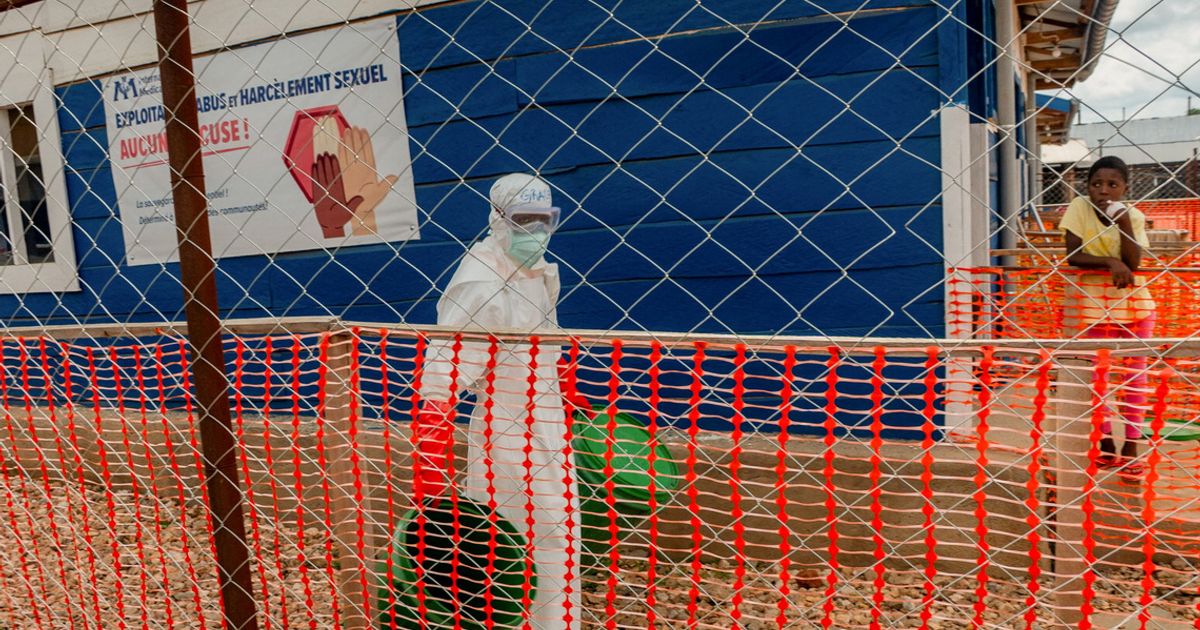
Nigeria reported its first case of the 2026 outbreak on October 20, with testing confirming the Bundibugyo virus. Uganda reported cases at the same time DRC declared the outbreak, totaling 21 confirmed and probable cases and 3 deaths. On July 16, 2026, the final confirmed patient in Uganda was discharged following recovery, while France’s sole patient left the hospital on July 4.
Children and Frontline Staff Face High Risks
Children are particularly vulnerable in this outbreak, especially those with preexisting conditions such as malnutrition. According to UNICEF data reported by AsiaOne.com, children accounted for 35 percent of deaths recorded through November 4.
Those under the age of five represented 21 percent of all deaths, while nearly 72 percent of infected children in that age group died. Most children affected by the disease have not received specialized care.
Six months ago, I declared the Bundibugyo virus #Ebola outbreak in the #DRC a Public Health Emergency of International Concern. Since then, over 11,000 cases and 5400 deaths have been recorded across eight provinces, making this the largest and deadliest Ebola outbreak in the… pic.twitter.com/v1TncZkxJs
Frontline health workers face severe risks while managing the epidemic. On November 3, 41 percent of frontline health workers assessed in North Kivu were deemed high risk, and the next day that figure rose to 50 percent, according to Infection Control Today.
“A troubling disconnect between the considerable resources mobilised for the response and what is actually reaching patients, frontline workers, and communities continues,” said representatives from Doctors Without Borders, known by its French acronym MSF, as cited by AsiaOne.com.

Attacks on Health Sites Hinder Response Teams
Rising insecurity remains the biggest challenge for response teams. The World Health Organization has documented 80 attacks on health sites and workers so far, and health facilities have frequently come under attack.
Julien Harneis, the UN’s special Ebola coordinator, addressed operational concerns by stating to The Straits Times, “The area of operation is vast, just unimaginable vast…But 80% of the time, and across this vast area, we’re able to operate.”
As of November 13, 2026, the CDC reports no Ebola cases associated with this outbreak in the United States and considers the risk to the American public low. However, strict travel restrictions remain in place.
Special Briefing on Ebola Outbreak Response | Nov. 12 2026 https://t.co/hzU3LI8A4v
Frequently Asked Questions About the 2026 Outbreak
What specific virus is driving the 2026 outbreak?
The outbreak is driven by the Bundibugyo virus, which is a type of Ebola virus. The CDC reports it is the specific strain causing cases in the Democratic Republic of Congo, Kenya, and Nigeria.
How many cases have been confirmed outside of the Democratic Republic of Congo?
Kenya has confirmed 9 cases and 2 deaths, Nigeria has confirmed its first case, and Uganda recorded 21 confirmed and probable cases with 3 deaths before its last patient recovered and was released in July 2026.
Related reading

IPL Founder Lalit Modi Announces British Citizenship
Indian Premier League founder Lalit Modi announced that he has acquired British citizenship after living in the United...
Nigeria’s Diphtheria Crisis: Increasing Cases and Deaths, Treatment Shortages – Outbreak News Today
“The global shortage of diphtheria antitoxin is becoming a matter of life and death,” said Dr David Kizito,...

Prabowo to Name New Vice Presidential Candidates After ASEAN and APEC Summits
“I will visit Manila for the ASEAN agenda, not for sightseeing,” Prabowo Subianto said in Palu, Central Sulawesi,...

Astronomers Watch TOI-2535 b Vanish as Unseen Neighbor Pulls Orbit
Astronomers have watched a giant exoplanet vanish from view for the first time.