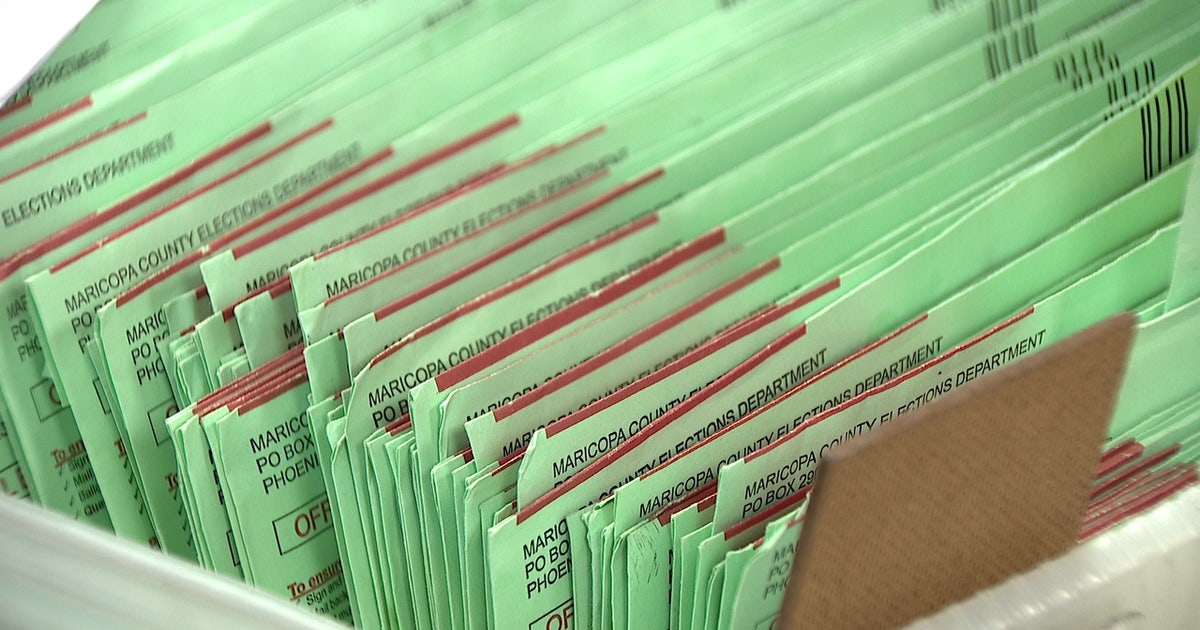
As of Election Night on November 4, 2026, Arizona voters delivered a split verdict on eight statewide ballot measures that would have reshaped everything from how the state funds its roads to public safety and local taxation, with unofficial returns showing “no” votes leading on four measures and “yes” votes ahead on the other four, FOX 10 Phoenix reported.
Beyond choosing candidates for statewide offices and Congress, Arizona voters weighed in on ballot propositions covering vehicle taxation, race-based policies, election security, education spending, and public safety. Yahoo’s election coverage confirmed that no projections had been made for any of the measures as of Election Night, leaving all results unofficial pending final certification by the Arizona Secretary of State’s Office.
Voters Reject Mileage-Based Road Funding
Proposition 141, which would have amended the state constitution to ban taxes or fees based on motor vehicle miles traveled and prohibit laws monitoring driving without consent, trailed with the “no” side ahead. Supporters argued the measure would protect privacy, businesses, and the economy, while opponents warned it would create funding gaps for transportation projects in coming decades and allow electric vehicle owners to avoid paying their share of road costs since they do not purchase gasoline.
Similarly, Proposition 144 failed to gain traction, with voters rejecting a constitutional amendment that would have required government-issued photo ID for all voting methods, banned foreign nationals from donating to influence elections, and mandated that voters be offered the option to have ballots tabulated at their voting location on Election Day. Proponents said the measure would restore public trust and safeguard against foreign influence, but opponents successfully argued it would create bureaucratic barriers disproportionately affecting early and mail-in voters along with vulnerable populations.
Race, Education, and Classroom Spending Measures Rejected
Proposition 142, which sought to ban preferential treatment based on race, sex, or ethnicity in public employment, education, and contracting while prohibiting public institutions from requiring DEI-related statements, also headed toward defeat. Supporters claimed all people should be treated equally, but opponents noted Arizona already has laws banning such discrimination and warned the measure could create “confusion and fear” across public education, employment, and curriculum.
LIVE: Arizona GOP election night party The first election results are in from Arizona and Democrats are leading major races by double digits. But very few votes have been counted yet.
Proposition 320 met the same fate, with the “no” side leading on a measure that would have required school districts with 7,500 or more students—and all districts in Maricopa, Pima, and Pinal counties—to spend at least 60% of operating budgets on direct classroom instruction or face funding penalties. Beginning in 2027, districts below the threshold would need to increase instructional spending by half a percentage point annually until reaching 60%. While supporters argued taxpayer dollars should focus on teaching rather than administration, opponents warned that without additional state revenue, districts might cut school resource officers and mental health support, and noted that coupling this with existing protections on voter-approved measures could make unintended consequences nearly impossible to fix.
Grocery Taxes Capped, Cartels Labeled Terrorists
On the winning side, Proposition 316 took the lead with “yes” votes ahead, setting a June 30, 2027 effective date for a measure that bans local governments from imposing new grocery taxes or increasing existing ones without voter approval, caps any new or increased rate at 2%, and freezes rates above 2% at current levels with no option to raise them further.

Proposition 317 also led with “yes” votes, directing the state Department of Homeland Security to crack down on drug cartels after declaring them terrorist organizations. Supporters pointed to the societal toll of cartel operations, while opponents maintained that such designations fall under federal jurisdiction.
Proposition 319 led with “yes” votes, redefining photo enforcement systems to require signed contracts by December 31, 2026 for any new installations, voter approval for existing systems at the next general election, and reapproval every 10 years. Under current Arizona law, photo enforcement systems are not permitted on highways. Supporters argued the systems enable unauthorized surveillance of law-abiding citizens, while opponents noted red-light cameras can save lives.
More on Election Night
Keep reading

UNF’s Meals on Wings Delivers 250,000 Free Meals to Jacksonville Seniors
UNF's Meals on Wings Hits 250,000 Free Meals for Jacksonville Seniors Two hundred fifty thousand meals. Delivered. The...

Hawai’i Air National Guard Celebrates 80 Years of Service
Eighty years of taking flight. This November 2026, the Hawai‘i Air National Guard marks its 80th birthday, a...

CVS to Split Pharmacy Chain from Aetna in 2028 Breakup
For anyone with a prescription to fill or an insurance card in a wallet, CVS’s pharmacy and insurance...

City Council Postpones Curbside Toter Collection Ordinance
The Dover City Council has pushed back its vote on revisions to the curbside trash collection ordinance, moving...