
The Battle Over Arkansas Direct Democracy Takes Center Stage in Secretary of State Race
Arkansas is staring down a stark choice over how citizens access the ballot box, and the state’s initiative process has emerged as the defining flashpoint in the 2026 race for secretary of state. As arkansasadvocate.com reported following an Oct. 15, 2026 debate in Conway, Republican state Sen. Kim Hammer is vigorously defending his legislative track record on election security, while his opponents argue those very same laws have quietly dismantled direct democracy in the Natural State.
The stakes extend far beyond a single political contest. With outgoing Secretary of State Cole Jester running for land commissioner, the next occupant of the state’s top election post will inherit an office caught between nationalized partisan pressures and local constitutional battles. Hammer, who has served in the state Legislature since 2011, staked his campaign on the necessity of safeguarding elections against out-of-state influence. His challengers—Democrat Kelly Grappe and Libertarian Michael Pakko—contend that those safeguards crossed the line into active suppression.
At the heart of the dispute are several statutory restrictions sponsored by Hammer that aimed to tighten the rules for initiative petitions and referendums. Federal courts have already pushed back. A federal judge blocked multiple provisions after ruling them unconstitutional, including requirements that all canvassers be Arkansas residents and that paid canvassers working on statewide initiative petitions must live within the state. That legal defeat is currently making its way through the 8th U.S. Circuit Court of Appeals.
Clashing Views on Citizen Petitions and Voter Turnout
The policy divide highlights two radically different visions of civic participation in Arkansas. Pakko did not mince words during the debate, telling viewers that Hammer’s legislative package amounted to a direct blow against the state’s foundational ethos. According to arkansasadvocate.com, Pakko framed the restrictions as an assault on direct democracy in Arkansas, stating that the legislation sponsored by Sen. Hammer harmed direct democracy.
Grappe echoed those concerns from a procedural standpoint, arguing that the state should focus on expanding education rather than erecting legal hurdles.
Hammer fired back by defending his record, arguing that his critics are advocating for a vulnerable system susceptible to outside manipulation.
Meanwhile, the debate over who controls elections has taken on a distinctly national dimension. All three candidates pushed back against external control, reacting to efforts from President Donald Trump to exert more control over state elections. Hammer, Grappe, and Pakko each insisted that Arkansas must retain local control. Grappe vowed to act as a definitive stopgap, declaring that federalization won’t happen on my watch because I think somebody’s got to hold the line on that.
This institutional friction plays out against a backdrop of persistently low civic participation. Arkansas registered a 53.5% voter turnout rate during the 2024 presidential election, trailing far behind the approximate 64% national average. Grappe emphasized the need to build public trust through expanded education, while Hammer pointed to statewide outreach partnering with schools and civic organizations.
Capitol Grounds and Practical Accessibility
Beyond voting logistics, the candidates addressed practical governance issues surrounding the state Capitol itself, including parking for employees and visitors. Hammer said creating more parking for employees and visitors at the state Capitol is a priority. Grappe expanded the conversation to civic health, proposing that Capitol spaces be used to host facilitated dialogue sessions modeled after organizations like Braver Angels to bridge deep political divides.
As the election approaches, voters are left to weigh competing priorities: Hammer’s strict statutory safeguards against Grappe’s emphasis on educational access and Pakko’s push for structural electoral overhaul. For official updates on active measures and compliance paperwork, voters can consult the Arkansas Secretary of State’s Initiative and Referenda Portal.

Denver Water Manages Potable Water Supply for Littleton Residents
Denver Water Manages Littleton Potable Supply Potable water in the City of Littleton is provided and managed by...

Idyllwild Is the Charming California Mountain Town With a Dog Mayor
Nestled 5,400 feet above sea level in the San Jacinto Mountains, the Southern California community of Idyllwild operates...

Arkansas vs. Memphis exhibition to stream on SECN+ and Fubo
The preseason exhibition matchup between No. 13 Arkansas and Memphis is not televised, but fans can watch the...
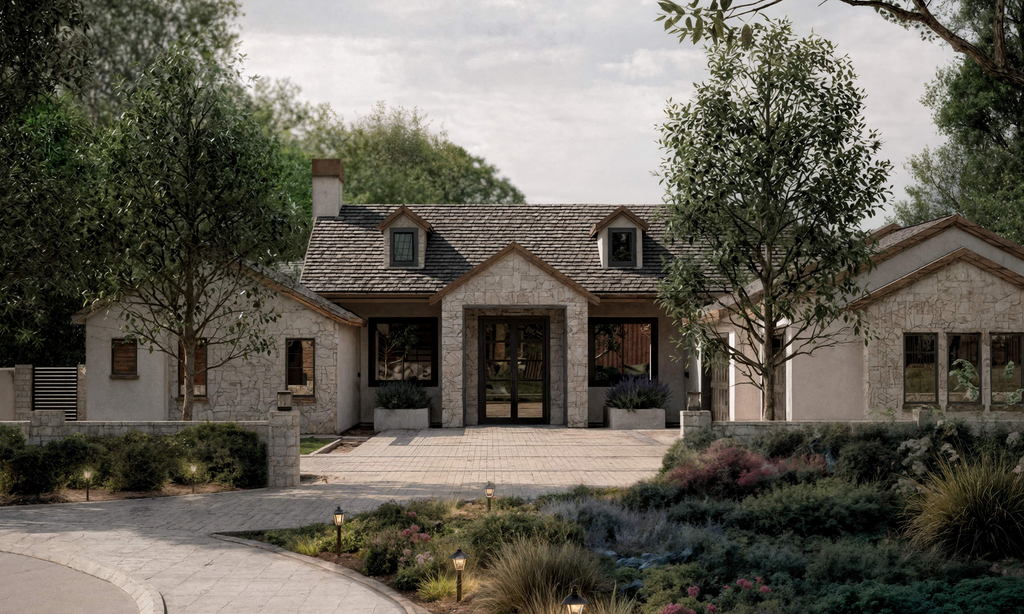
Three Luxury Residential Developments Underway in Phoenix Area
Three luxury residential developments underway across the Phoenix metropolitan area range from $5.95 million to roughly $15 million,...