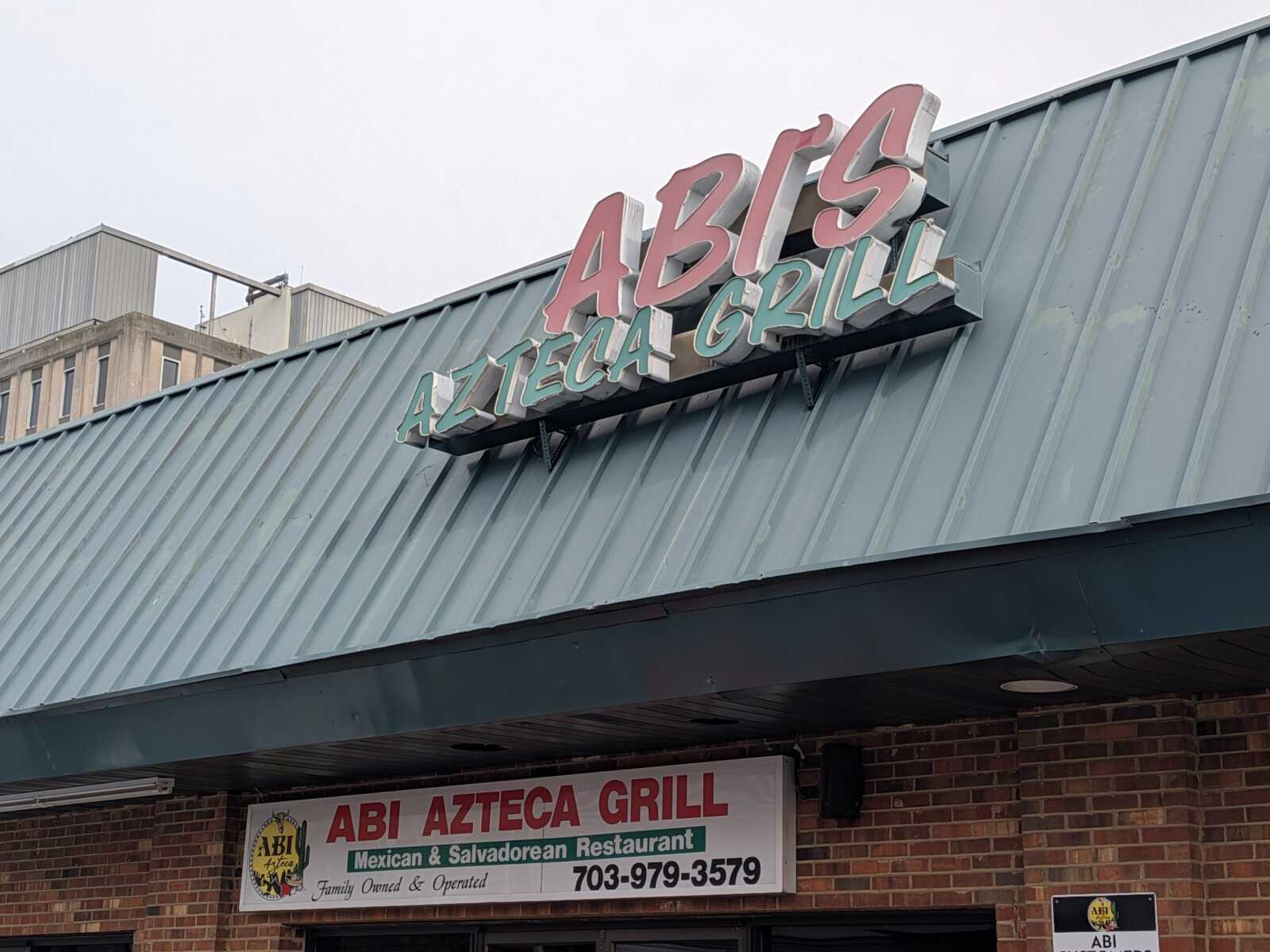
This Sunday, the intersection of culture and community takes center stage on Columbia Pike as the Arlington Sister City Association marks National Pupusa Day. The celebration, hosted by the association’s San Miguel Committee, runs from 1 p.m. to 3 p.m. at Abi’s Azteca Grill, located at 3005 Columbia Pike. As reported by ARLnow.com, the event serves as both a cultural spotlight and a milestone for the venue, which is currently observing its 40th anniversary of serving Salvadoran and Mexican cuisine.
For many in Northern Virginia, the pupusa—a thick, griddled corn tortilla stuffed with savory fillings like cheese, beans, or chicharrón—is more than a menu item; it is a culinary staple of the Salvadoran diaspora. Lily Caballero-Torres, president of the San Miguel Committee and a Salvadoran immigrant, notes the inherent connection between the dish and her heritage. “El Salvador and pupusas, they go hand in hand,” she said.
Building Bridges Through Local Flavors
The event is part of a broader mission by the Arlington Sister City Association to foster personal connections between Arlington and its four international partners: San Miguel, El Salvador; Aachen, Germany; Reims, France; and Ivano-Frankivsk, Ukraine. By hosting the celebration at a long-standing local establishment, organizers aim to move beyond abstract international diplomacy and into the tangible, everyday experiences that define a community.
“Sister Cities is all about connecting people across cultures and building relationships. We believe that getting to know one another as individuals — sharing our traditions, experiences, and stories — is what brings people and the world closer together,” said Daphne Lathouras, chair of the board of directors of the Sister City Association.
Lathouras has been a regular patron of Abi’s Azteca Grill for roughly three decades. Her goal for the weekend is simple: to introduce more residents to a dish she believes warrants the same widespread recognition that tacos have achieved in the American food landscape. “I often take friends out to try pupusas, and I’m always surprised by how many people have never had one,” she added.
The Economic and Cultural Stakes
The choice of Columbia Pike as the venue is significant. As an area historically defined by its diverse immigrant populations and small business corridor, the Pike serves as a microcosm of Arlington’s changing demographics. Celebrating a staple of Salvadoran culture in a restaurant that has survived four decades in a competitive market highlights the endurance of family-owned businesses that anchor the local economy.
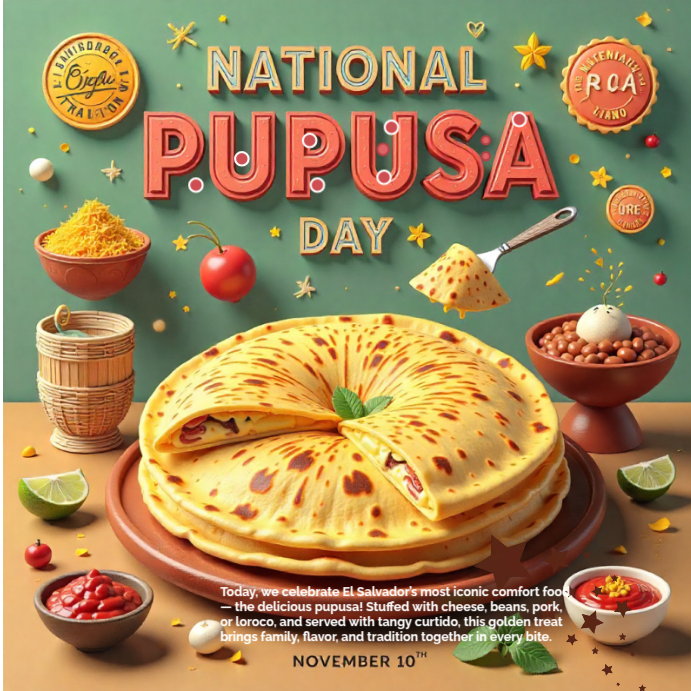
While food festivals are often viewed through a lens of tourism or entertainment, they serve a functional role in urban sociology. They provide a low-barrier entry point for residents of different backgrounds to interact with the history and traditions of their neighbors. In an era where digital silos often replace physical community hubs, the act of gathering at a local eatery for a shared meal acts as a civic stabilizer.
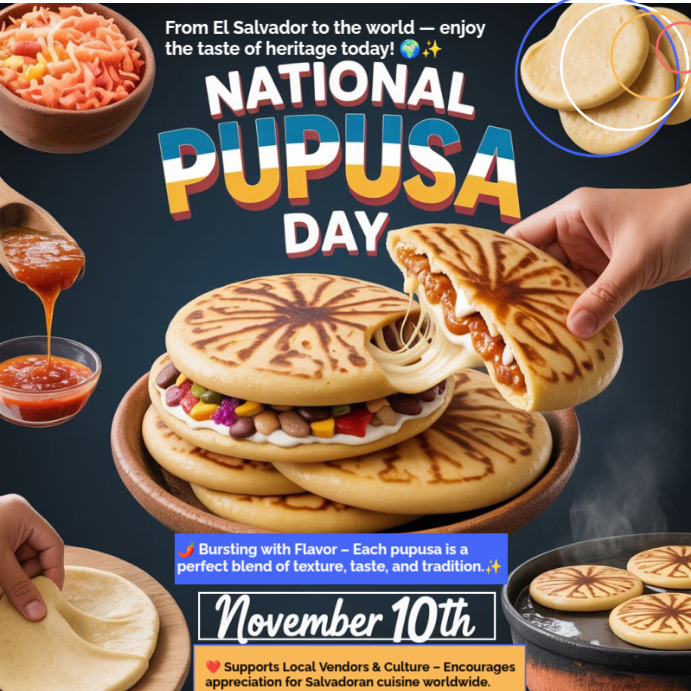
The afternoon event will feature a DJ, trivia, and traditional Salvadoran folklore dancing, creating an environment designed to encourage engagement rather than passive observation. For the San Miguel Committee, the event is an opportunity to remind the public that Arlington’s global ties are not just lines on a map but are woven into the fabric of the neighborhood.
As the city looks toward the future of its international partnerships, the focus remains on personal connection. Whether the event succeeds in elevating the pupusa to a new level of local popularity remains to be seen, but the intent is clear: to ensure that the culture of Arlington’s sister cities is not just acknowledged, but actively experienced.
Related reading
Elon University Student Voting Guide: ID Requirements, Polling Locations, and Shuttle Info
Election Day Logistics and Requirements for North Carolina Voters As North Carolina voters head to the polls this...
Utah Election Guide: Congressional Races, Council Seats, and Amendment B
Utah voters heading to the polls today for the 2026 midterm elections must cast their ballots by 8:00...
Tennessee 2026 Midterm Results: Live Updates on Ballot Measures
Tennessee Voters Decide on Property Tax Prohibition As polls across Tennessee prepare to close at 8:00 PM ET...

Byrider lists 2018 Jeep Compass Latitude in North Charleston
The 2018 Jeep Compass Latitude in North Charleston In a recent inventory update, Byrider in North Charleston has...