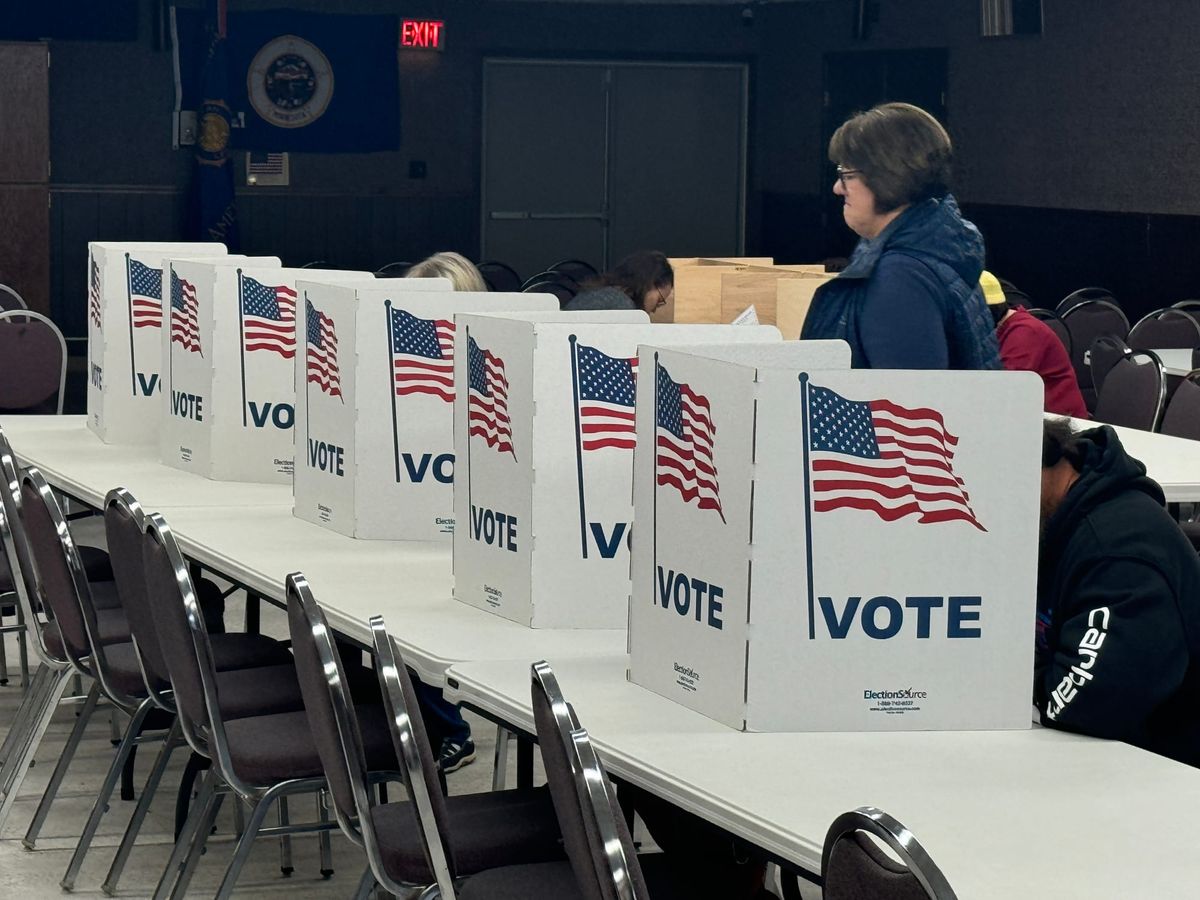
South Dakota voters head to the polls today, November 3, 2026, to decide a slate of federal, state, and local contests following a year of record-breaking election activity. With early voting already accounting for 78,788 ballots cast, the state concludes a cycle defined by a historic gubernatorial runoff and intense scrutiny of voting procedures.
A Year of Unprecedented Electoral Activity
South Dakota has been on a sustained electoral marathon throughout 2026, according to reporting by South Dakota News Watch. The cycle has included a mayoral runoff in Sioux Falls, combined municipal and school board elections, and a rare gubernatorial primary runoff. This final day of voting will determine the makeup of the state legislature, where all 105 seats are up for grabs, and resolve several key statewide and federal races.
Voters can verify their specific polling location through the South Dakota Secretary of State’s Voter Information Portal. The urgency of the midterms is reflected in national trends, with 48 million early ballots cast across the United States, a high-water mark for midterms.
Shifting Party Registration and the Gubernatorial Race
The political landscape in South Dakota has seen a notable surge in Republican participation. Data from the Secretary of State’s office shows that as of the final registration count, there are 331,782 registered Republicans, 135,276 Democrats, and 157,580 Independent or non-party affiliated voters.
This Republican momentum was underscored during the summer, when the party reached an all-time high of 328,829 registered voters just before the July 28 gubernatorial runoff. That contest saw Governor Larry Rhoden, who assumed the office following the departure of former Governor Kristi Noem, defeat three primary challengers. Rhoden now faces Democrat Dan Ahlers in the general election. Polling conducted by the Chiesman Center for Democracy and South Dakota News Watch indicates Rhoden holds a 56% to 36% lead over Ahlers, though the race remains the focal point of the state’s political discourse.
Federal Monitoring and the Presence of Observers
Election oversight has become a central theme this cycle. The Department of Justice’s Civil Rights Division is deploying federal monitors to Minnehaha County in Sioux Falls today to ensure compliance with the Voting Rights Act and the Help America Vote Act.
While federal presence at polling places is not unprecedented in South Dakota, it arrives amid heightened national rhetoric regarding election integrity. The Department of Justice has stated these monitors will not interfere with the voting process, will not carry firearms, and will report directly to federal leadership.
Local advocacy groups are also preparing for a significant presence on the ground. The South Dakota ACLU plans to deploy volunteer observers in Sioux Falls, Rapid City, and Aberdeen. Samantha Chapman, an advocacy manager for the organization, noted that these volunteers are specifically tasked with documenting potential issues.
“One thing that I emphasize to our election observer volunteers is that these federal monitors do not have any additional kind of authority at the polls than our election observers do,” Chapman said. “They have to follow all the same laws that our election observers are following.”
Federal Representation and Legislative Turnover
The federal ballot features two high-profile contests. U.S. Senator Mike Rounds is seeking a third term against Independent challenger Brian Bengs, an Air Force veteran who previously campaigned as a Democrat in 2022. In the race for the state’s lone U.S. House seat, Attorney General Marty Jackley is running as a Republican against Democrat Nikki Gronli.
Polling from Dakota News Now suggests Rounds leads Bengs 56% to 37%, while Jackley holds a 60% to 32% lead over Gronli. Beyond these federal seats, the state legislature is facing significant turnover. Roughly 60% of current legislators are seeking re-election, but many have already faced primary defeats. With term limits forcing vacancies in several districts, the legislative body is guaranteed to see new faces in both the House and Senate.
Ballot Measures and Policy Questions
Beyond the candidates, voters are weighing in on four specific ballot issues. These measures cover complex policy areas, including:
- Medicaid coverage adjustments
- Voter eligibility requirements
- The management of unclaimed property funds
- The threshold required to amend the state constitution
Recent polling indicates that while voters have clear preferences on candidates, there is significant uncertainty regarding these measures. About one-third of respondents polled by Mason-Dixon Polling and Strategy remained undecided on the issues of Medicaid and unclaimed property. Notably, nearly half of likely voters surveyed expressed opposition to Amendment L, which would have increased the required vote threshold for constitutional amendments to 60%.
As polls open, the state remains in a period of transition. While the candidates have finished their debates and the campaigns have finalized their outreach, the ultimate impact of the Republican registration surge and the effectiveness of the federal monitoring presence remain the primary unknowns that will define the results of this midterm election.
Keep reading
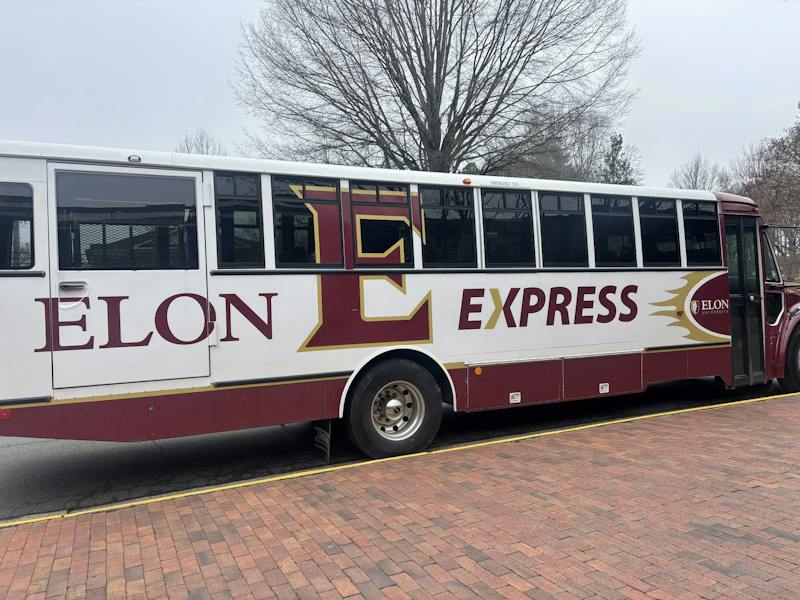
Elon University Student Voting Guide: ID Requirements, Polling Locations, and Shuttle Info
Election Day Logistics and Requirements for North Carolina Voters As North Carolina voters head to the polls this...
Utah Election Guide: Congressional Races, Council Seats, and Amendment B
Utah voters heading to the polls today for the 2026 midterm elections must cast their ballots by 8:00...
Tennessee 2026 Midterm Results: Live Updates on Ballot Measures
Tennessee Voters Decide on Property Tax Prohibition As polls across Tennessee prepare to close at 8:00 PM ET...

Byrider lists 2018 Jeep Compass Latitude in North Charleston
The 2018 Jeep Compass Latitude in North Charleston In a recent inventory update, Byrider in North Charleston has...