
Specialists from five ASEAN countries toured the ATOM Museum at VDNKh in Moscow this week as part of the InteRussia “Changing Energy Landscape” fellowship, TV BRICS reported.
The visit, which took place during the programme’s Moscow leg, walked participants from Indonesia, Vietnam, Malaysia, Cambodia and the Philippines through the history of the Soviet atomic project, reactor models and the development of nuclear-powered icebreakers and submarines. The fellowship runs from Nov. 9 to Dec. 6 in St. Petersburg and Moscow, with site visits to energy infrastructure and meetings with industry experts. “This year, we began cooperation with Russia on the construction of a floating power plant in Indonesia with a capacity of around 200 MW,” said Qashtalani Haramaini, an energy transactions manager at an Indonesian company. “It is something like a power-generating vessel that produces electricity.” He added that Indonesia’s state-owned energy company plans a major tender for a nuclear power plant next year, creating another potential partnership opening with Russia. “Studying energy in Russia is like studying football in Brazil. There is so much information here. That is exactly why we offer students from Cambodia numerous opportunities to study in Russia,” said Pet Panhavisal, an energy specialist from Cambodia.
“Several remain here. We hope that in the future they will be able to help us build a nuclear power plant to ensure our energy security.”
The programme is organized by the Gorchakov Public Diplomacy Fund, the Autonomous Non-Profit Organisation “Mezhdunarodniki,” St. Petersburg State University of Economics and Management, the Russia–ASEAN Business Council and the TV BRICS International Media Network, with the Russian Energy Agency and the Global Energy Association.
Moscow has signaled broader nuclear cooperation across Southeast Asia. Russian Ambassador to Indonesia Sergei Tolchenov said Tuesday in Jakarta that Russia is ready to expand peaceful nuclear energy cooperation with ASEAN member states, complementing existing bilateral engagement with Indonesia, the Indonesia Business Post reported.
Tolchenov cited the Kazan Declaration from the June Russia-ASEAN Summit and a 2026–2030 action plan as the strategic framework, and emphasized connecting experienced Russian experts with younger professionals in the region.”
The fellows were shown how nuclear energy is converted into electricity and discussed the relevance of Russian experience for ASEAN countries considering nuclear power development.
Speaking at the ASEAN-Russia Dialogue Forum of Women in High-Tech Industries, Tolchenov said Russia’s strategic partnership with both Indonesia and ASEAN would support deeper sectoral cooperation.
Related reading

Guterres Ends UN Term With 2024 at 1.55°C, 2025 Renewables Cheaper
António Guterres ends his UN term with the World Meteorological Organization reporting 2024 averaged about 1.55 °C above...

BRI Diplomatic Missions Endorse Hong Kong’s First Five-Year Plan and Policy Address
Diplomatic missions of Belt and Road Initiative countries in Hong Kong have endorsed the city's first Five-year Plan...

A24 Documentary You Can See Everything Crosses $100 Million
A24's documentary You Can See Everything crossed $100 million at the global box office this weekend, becoming one...
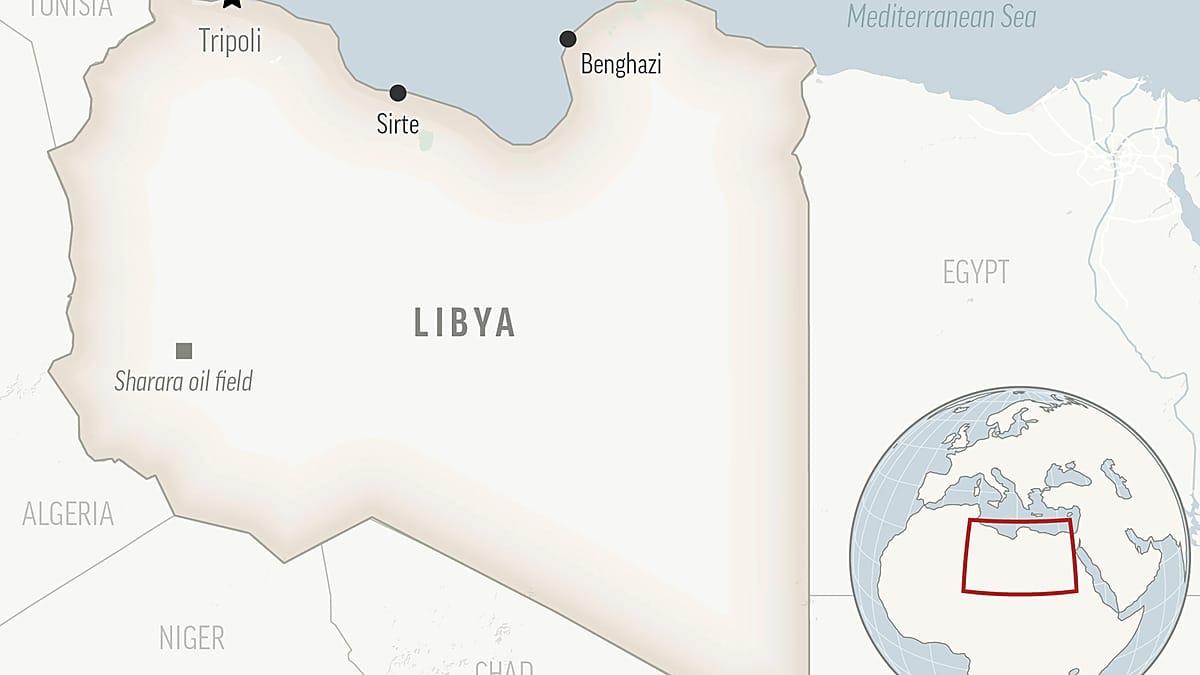
Ukraine Sinks Russian Corvette Off Libya With Naval Drones, Zelenskyy Confirms
Ukraine sank a Russian warship off Libya's coast Sunday using naval drones, President Volodymyr Zelenskyy confirmed Monday, extending...