
António Guterres ends his UN term with the World Meteorological Organization reporting 2024 averaged about 1.55 °C above pre-industrial levels.
Global temperatures have risen from about 1.1°C above pre-industrial levels when António Guterres took office in 2017 to higher levels during his tenure, RTÉ reported.
The outgoing UN Secretary General addressed his ninth and final climate summit, COP31 in Antalya, telling leaders humanity is better equipped to act yet responding dangerously slowly. “We are on a highway to climate hell with our foot still on the accelerator,” he said in Sharm el-Sheikh in 2022, an image that came to define his tenure.
At COP29 in Baku, Guterres abandoned diplomatic restraint. “You have every right to be angry, and I am too,” he told small-island leaders facing rising seas. He later described accepting inevitable temperature overshoot as “one of the most difficult days of my life” and acknowledged a “sense of fury” toward those denying the danger.

The World Meteorological Organization put the 2024 full-year average at about 1.55 °C, though the Paris Agreement measures sustained warming, not single years. The Global Carbon Project projects a small fall in fossil-fuel CO₂ emissions this year, but total human-caused CO₂ emissions are projected to increase.
UNEP projects approximately 2.8 °C this century under current policies, versus 2.6 °C if national pledges are fully delivered. Reversing an overshoot would require sustained net-negative CO₂ emissions, and losses such as extinct species and centuries of sea-level rise cannot be undone.
The International Renewable Energy Agency found over 90 % of utility-scale renewable projects commissioned in 2025 produced cheaper electricity than new fossil-fuel alternatives. The UN’s Early Warnings for All initiative now counts 136 countries with some multi-hazard capability, though major gaps remain.
His language was already severe at the start of his term but became more explicit about who and what was responsible, RTÉ reported.
In Bonn in 2017 he demanded stronger action on emissions, adaptation and finance while insisting prosperity need not depend on rising pollution. A year later in Katowice he warned: “We are in trouble. We are in deep trouble with climate change.”
Donald Trump withdrew the United States from the Paris Agreement in 2017. When he announced withdrawal from the Paris Climate Agreement in 2017, Mr Guterres’ office called it a “major disappointment”, while emphasising the continuing contribution of American states, cities and businesses. “I will not stop telling the truth,” Guterres pledged in Antalya. His successor inherits better tools, less time, and the task of limiting damage already set in motion.
Worth a look
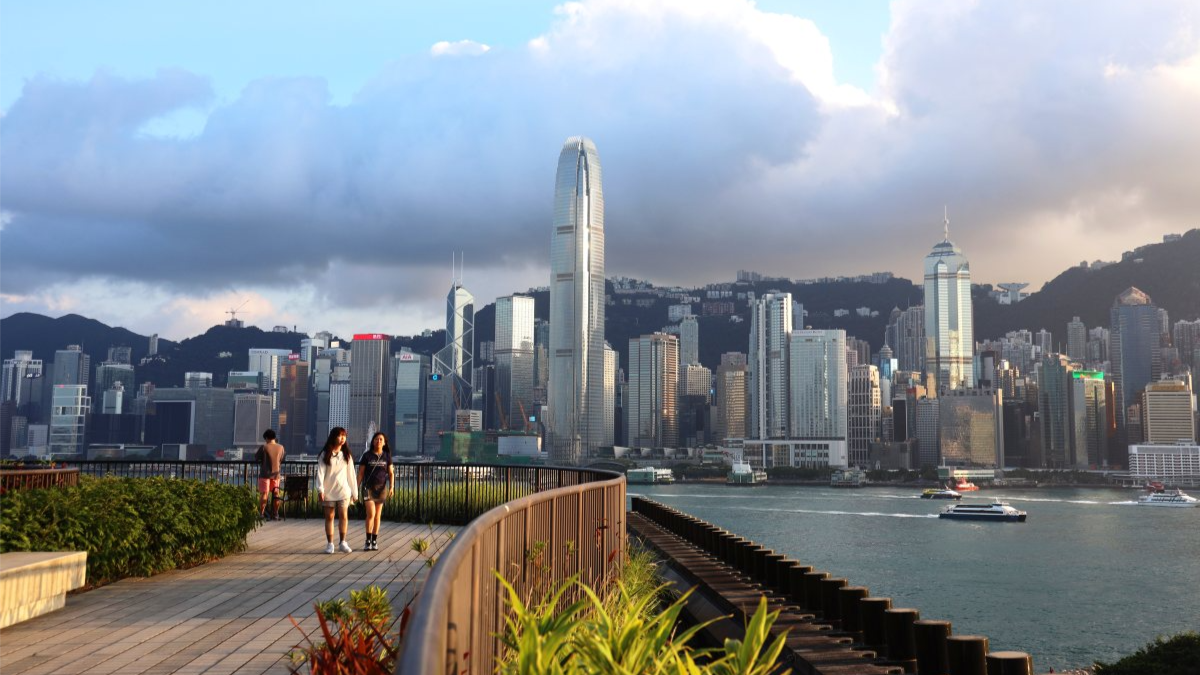
BRI Diplomatic Missions Endorse Hong Kong’s First Five-Year Plan and Policy Address
Diplomatic missions of Belt and Road Initiative countries in Hong Kong have endorsed the city's first Five-year Plan...

A24 Documentary You Can See Everything Crosses $100 Million
A24's documentary You Can See Everything crossed $100 million at the global box office this weekend, becoming one...
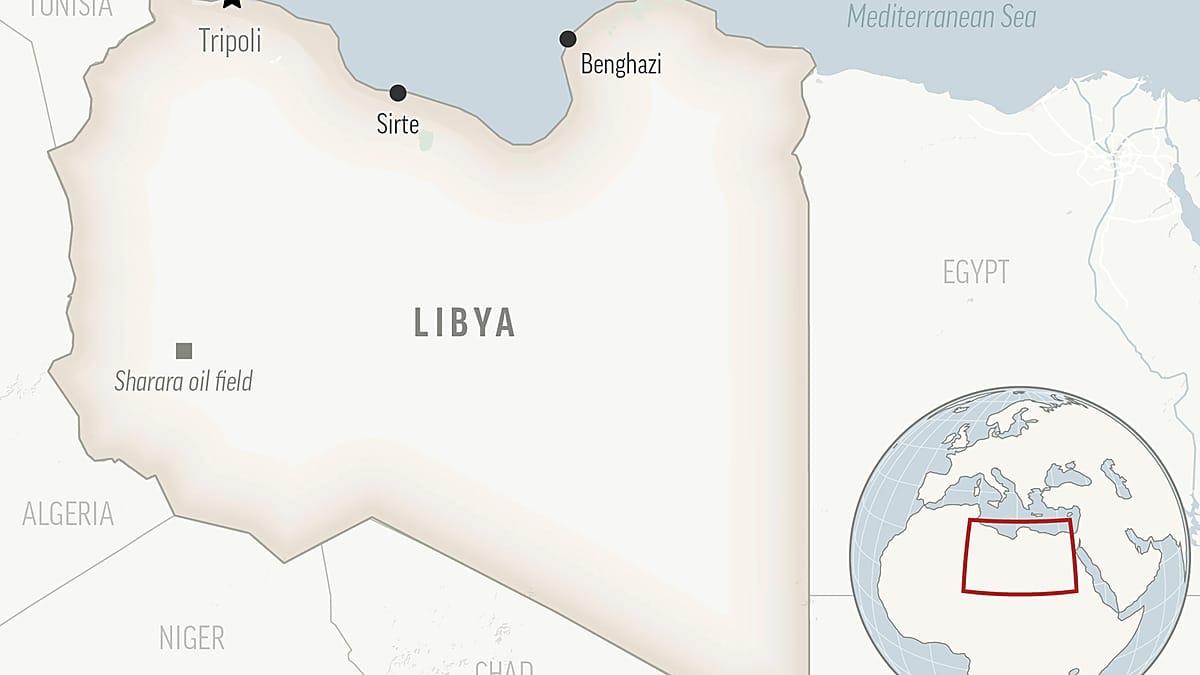
Ukraine Sinks Russian Corvette Off Libya With Naval Drones, Zelenskyy Confirms
Ukraine sank a Russian warship off Libya's coast Sunday using naval drones, President Volodymyr Zelenskyy confirmed Monday, extending...
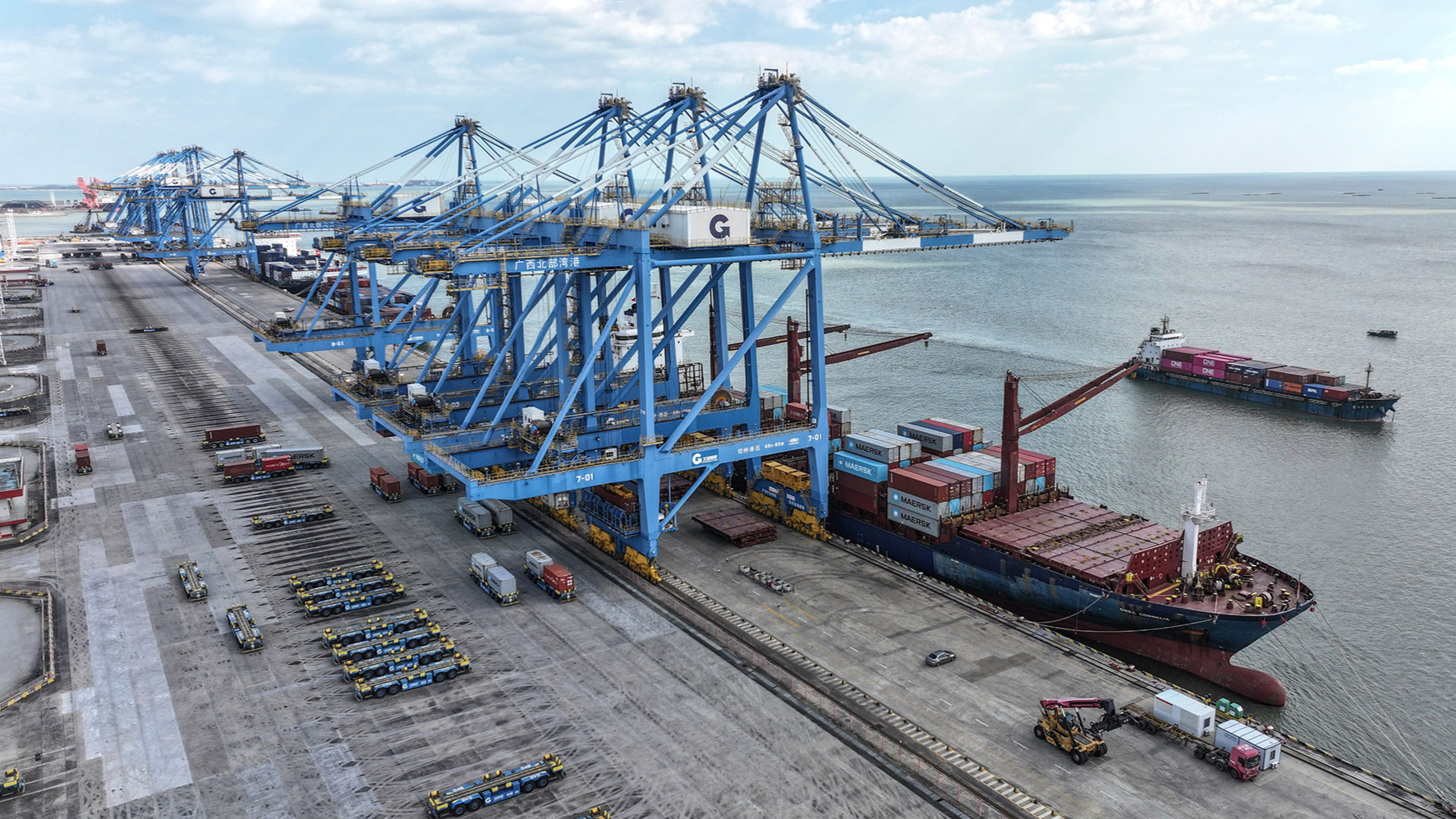
China-ASEAN FTA Upgrade Protocol Takes Effect Dec. 1, 2025 to Deepen Digital, Green Trade
The upgraded China-ASEAN Free Trade Area protocol takes effect Dec. 1, shifting cooperation from tariff cuts to rules-based...