
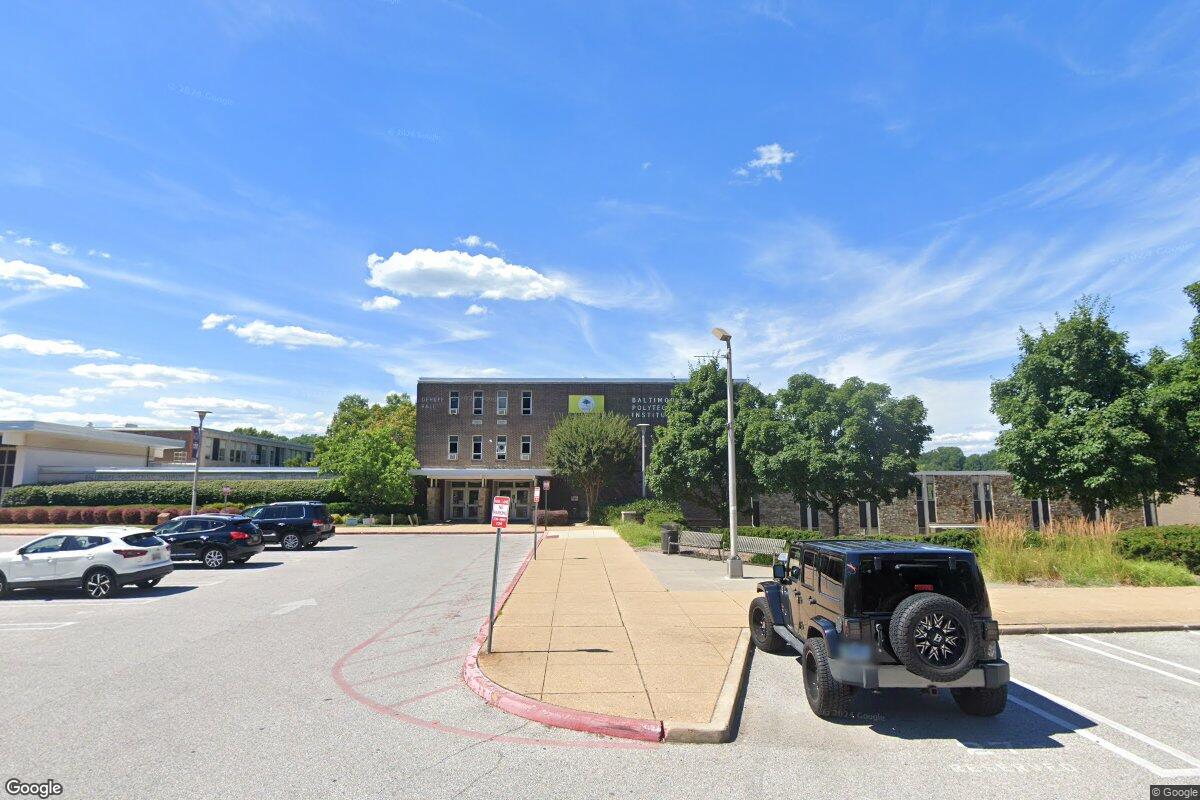
High school students in Baltimore are moving beyond textbooks to fight simulated ransomware and insider threats. Baltimore Polytechnic Institute (BPI) has become the first high school in Maryland to install an industry-grade cyber range, a move designed to bridge the gap between classroom theory and the high-stakes reality of digital defense, GovTech reported.
The new lab, a Series 3000 Cyber Range, was donated and installed at the North Baltimore STEM magnet school by workforce training company BCR Cyber. By providing a controlled environment that mimics an enterprise computer network, the program allows students to identify and respond to live attack scenarios—such as website defacement—without the risk of disrupting actual organization operations. As BCR Cyber President and CEO Michael Spector noted, the ability to “push the reset button” after a mistake allows for a unique type of learning through failure.
Closing the gap between graduation and employment
For many students, the transition from high school to a stable career is often blocked by the requirement for immediate higher education or prior professional experience. Josh Headley, BPI’s engineering department chair, views this initiative as a way to provide students with a “rudder or a keel” as they enter adulthood. The goal is to ensure that regardless of whether a student heads to a four-year university, a community college, or straight into the workforce, they possess tangible, marketable skills.
The pilot program is specifically structured to bypass some of the traditional hurdles found in entry-level cybersecurity roles. Many Security Operations Center positions require prior experience that new workers simply cannot obtain. By using the cyber range, students can walk into interviews and demonstrate they have already practiced the specific roles they are applying for. According to Hoodline, BCR Cyber has previously achieved a job placement rate exceeding 83 percent for its program graduates.
The economic necessity behind this training is underscored by a massive shortage of qualified professionals. Data from CyberSeek, cited by the National Institute of Standards and Technology, showed 514,359 cybersecurity job listings over the 12 months preceding June 2, 2025.
A statewide model for workforce development
While the BPI installation is a localized pilot involving approximately 15 students, it is part of a broader, state-funded momentum. In November 2024, Governor Wes Moore awarded $1.8 million to BCR Cyber and the Maryland Association of Community Colleges under the Cyber Workforce Accelerator initiative, according to StateScoop reporting via Hoodline. This initiative has already provided cyber range access to all 16 of Maryland’s community colleges.
The BPI program functions as a preparatory layer for this existing ecosystem. Under the proposed model, students can enroll through a community college to earn industry-recognized credentials—such as the Security Operations Center Operations Analyst I certification—before they even finish high school. This pathway includes access to job placement assistance from a consortium of more than 40 employers who provide direct input on the training curriculum.
Comparing the scale of training initiatives
| Program Level | Primary Focus | Scope of Access |
|---|---|---|
| Community College (Statewide) | Professional Certification | 16 Maryland Colleges |
| BPI Pilot (High School) | Preparatory Curriculum | ~15 Students (Initial) |
Practical hurdles and the road ahead
The implementation is not without its logistical challenges. BPI’s existing curriculum is already heavily loaded, leaving little room for new formal courses. To manage this, educators are currently experimenting with voluntary formats, including weekend boot camps and activities during advisory periods. Headley noted that while the technology is “real and tangible,” it will likely take about a year of collecting empirical data before the program’s academic impact can be fully measured.
Despite the crowded schedule, student interest appears high. Some students have reportedly returned to the school on weekends voluntarily to gain more practice. Early participants, including those from the Reserve Officers’ Training Corps, have shown that even without deep programming backgrounds, students can become independent in managing practice exercises after only a few hours of training.
As the pilot matures, the hope is to integrate the cyber range directly into existing computer science and networking coursework. If successful, the BPI model could serve as a blueprint for other high schools across Maryland, turning a specialized STEM magnet’s advantage into a standardized pathway for the state’s next generation of digital defenders.

Oldest Louisiana Creole recordings found in Indiana archive
Rediscovered Aluminum Discs Yield Oldest Known Recordings of Louisiana Creole More than 90 years after a linguist carried...

No. 11 Louisville wins 84-70 over Chattanooga in Flory Bidunga debut
Flory Bidunga dominates debut as No. 11 Louisville holds off Chattanooga 84-70 Flory Bidunga scored 16 points in...

Adam Hamilton elected as first Democratic Kansas Senator in Nearly a Century
Kansas Elects Adam Hamilton as First Democratic Senator in Nearly a Century Kansans have broken a 94-year political...

Iowa Secretary of Agriculture Race: Water Quality and Regulation Take Center Stage
Water Quality Takes Center Stage in Iowa Agriculture Race Iowa’s water quality has become a defining flashpoint in...