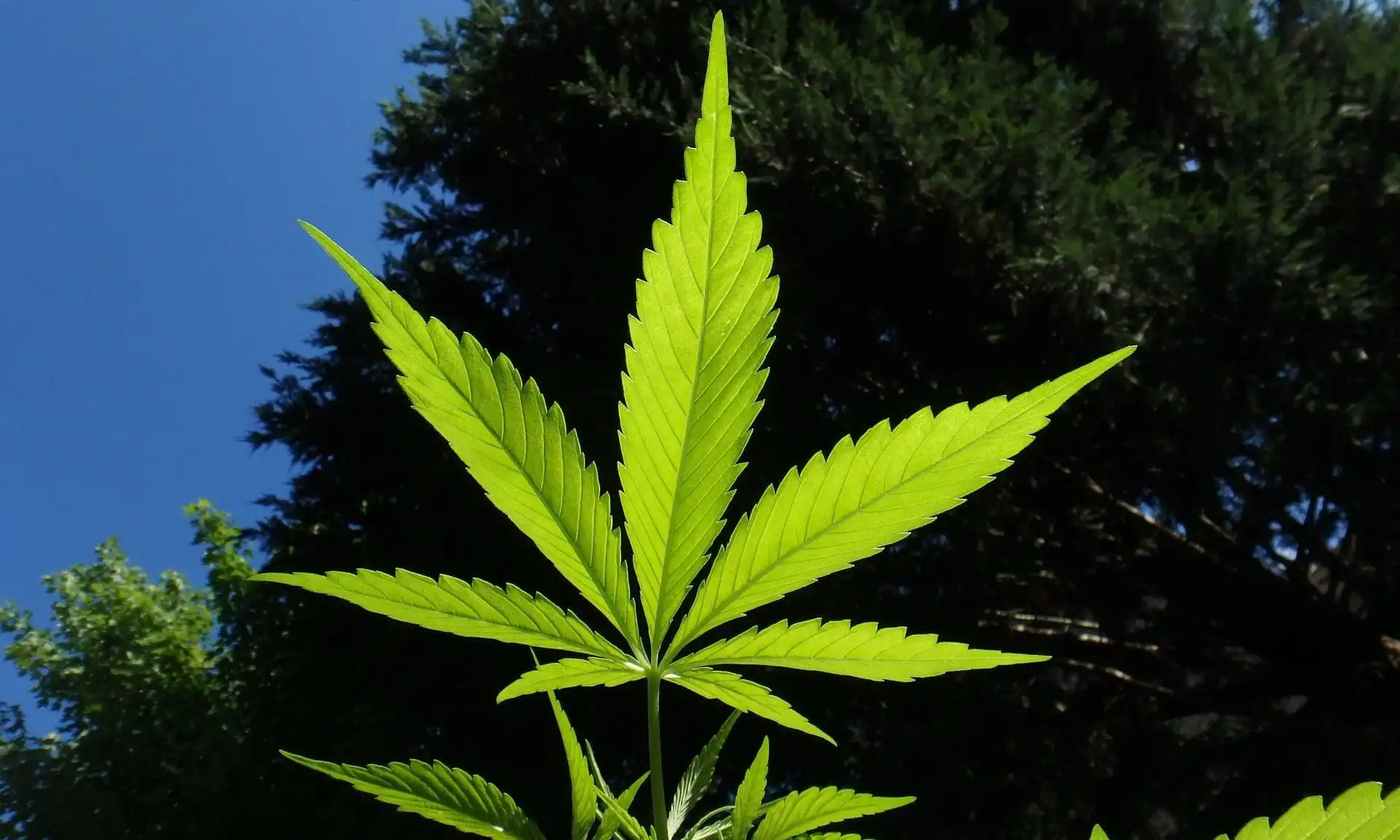
Massachusetts voters reject effort to repeal legal marijuana sales
Massachusetts voters have decisively rejected a ballot initiative that would have rolled back the state’s marijuana legalization laws. According to reporting from Marijuana Moment, Question 8 was trailing by a significant margin of 76 percent to 24 percent on Tuesday night, with approximately 48 percent of ballots counted. If the measure had passed, it would have repealed the laws allowing regulated commercial sales of recreational cannabis and home cultivation, though it would have maintained legal possession and the existing medical marijuana system.
Massachusetts Voters Decide To Keep Marijuana Sales Legal, Rejecting Ballot Measure Bring Back Criminalization: Several major elected officials had publicly opposed the cannabis rollback ahead of Election Day.https://t.co/XqGTs0xgQk
The defeat of the measure marks a significant moment for cannabis policy in the state. While proponents of the rollback spent millions of dollars to “reset the conversation,” as noted by Marijuana Moment, the electorate appears to have signaled a preference for the status quo. The outcome suggests that the public’s stance on regulation versus prohibition has not shifted significantly since the initial legalization efforts.
“There’s no ‘buyer’s remorse’ among voters when it comes to legalizing and regulating marijuana,” NORML Deputy Director Paul Armentano said. “In fact, more Massachusetts voters support legalization today than did a decade ago, and these election results prove it.”
The economic and social stakes of the vote
The decision carries massive implications for the state’s economy and its criminal justice framework. Since the adult-use market launched in 2018, the Massachusetts Cannabis Control Commission (CCC) reported in September that the state has surpassed $10 billion in adult-use cannabis purchases. CCC Chair Chris Harding noted that a repeal of the industry could eliminate hundreds of businesses, thousands of jobs, and billions in tax revenue.
Beyond the raw numbers, the debate centered on two very different visions of public safety. The campaign seeking to end legal sales focused its advertisements on the dangers of marijuana-impaired driving. Conversely, the campaign defending legalization highlighted the risks of returning consumers to an unregulated, underground market. Supporters argued that a regulated market ensures safer access through rigorously tested and labeled products, while also reducing youth access and lowering arrest rates.
The political landscape in Massachusetts showed broad opposition to the rollback. High-profile figures, including Governor Maura Healey and U.S. Senators Elizabeth Warren and Ed Markey, all expressed opposition to the measure. Senator Warren noted that while operational improvements could be made, legalizing cannabis remains a better option than returning to an unregulated market. Similarly, Senator Markey stated that the 2016 legalization law continues to enjoy “overwhelming support” from the people of Massachusetts.
Controversies surrounding the petition process
The path to the ballot was not without friction. The initiative faced legal challenges from industry operatives who argued the measure contained “impermissibly unrelated subjects” and that the state attorney general’s summary was deficient, though the State Supreme Judicial Court ultimately ruled against the lawsuit. NORML reported that the campaign behind the measure was financed almost exclusively by a single out-of-state special interest group.
The signature-gathering process also drew scrutiny. A video surfaced on Reddit showing a petitioner appearing to tell voters that they should sign the anti-cannabis petition specifically so that the measure could reach the ballot and be defeated. The campaign behind the measure later stated it had “zero tolerance” for such tactics and terminated the individual involved, describing the conduct as “wholly unacceptable.”
The results of this election may influence cannabis policy battles in other states. The Marijuana Policy Project warned leading up to the vote that even a narrow victory for the repeal effort could have “disastrous political and economic consequences” by incentivizing similar initiatives nationwide. With the defeat of Question 8, the legal cannabis market in Massachusetts remains intact, preserving the revenue and regulatory structures established over the last decade.
Related reading

Oldest Louisiana Creole recordings found in Indiana archive
Rediscovered Aluminum Discs Yield Oldest Known Recordings of Louisiana Creole More than 90 years after a linguist carried...

No. 11 Louisville wins 84-70 over Chattanooga in Flory Bidunga debut
Flory Bidunga dominates debut as No. 11 Louisville holds off Chattanooga 84-70 Flory Bidunga scored 16 points in...

Adam Hamilton elected as first Democratic Kansas Senator in Nearly a Century
Kansas Elects Adam Hamilton as First Democratic Senator in Nearly a Century Kansans have broken a 94-year political...

Iowa Secretary of Agriculture Race: Water Quality and Regulation Take Center Stage
Water Quality Takes Center Stage in Iowa Agriculture Race Iowa’s water quality has become a defining flashpoint in...