
“I want the country to be alert, not alarmed,” Defence Secretary Wes Streeting told BBC Radio 4’s Today programme on Thursday.
The Ministry of Defence has launched its largest outreach to the strategic reserve since the Cold War, writing to former service members to verify contact details and skills amid what it calls a more dangerous security environment. The MoD estimates the reserve at 95,000 veterans but held email addresses for only about 50,000, BBC News reported. Letters have gone to roughly 100,000 people, according to The Telegraph and ADS Advance.
The ministry acknowledged it does not know where many reservists are. “The Ministry of Defence at the present moment doesn’t even know where most of them are,” former Defence Secretary Lord Robertson said in April. Air Chief Marshal Sir Richard Knighton warned in January that the UK lacked “an effective system of tracking and engaging” personnel after they left the forces.
On Thursday, Streeting confirmed the letters were sent to check details and skills against a rising threat environment. The MoD website said the threshold for recall remains high — limited to serious national emergencies, warlike operations, preparations for war or a major crisis requiring additional military capability — and that reservists would not fill routine peacetime gaps.
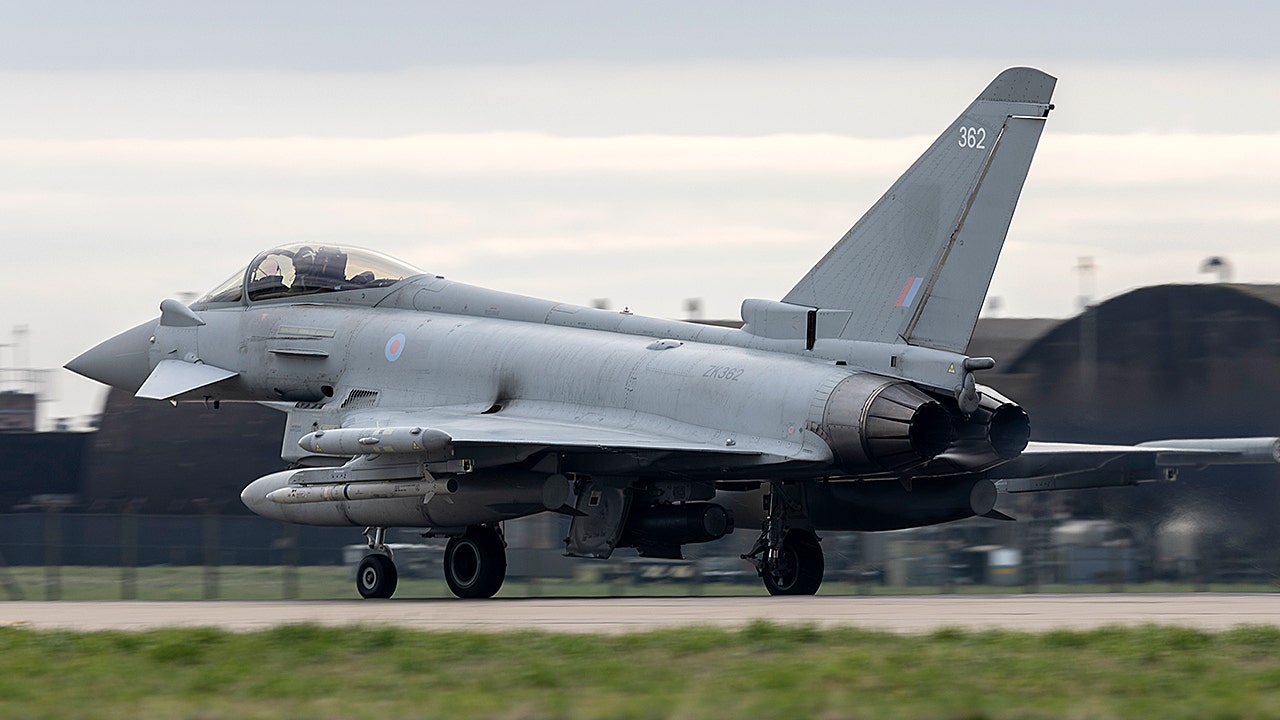
The International Institute for Strategic Studies warned Thursday that suspected Russian-directed sabotage across Europe could trigger a “mass-casualty event,” Fox News reported. The MoD said it is investing an additional £470 million to strengthen security at military sites, including physical protection, surveillance and counter-drone capabilities, with £15 million already spent on drone technology and restricted airspace over 44 critical defence sites.
“In the coming months, Strategic Reservists will have the opportunity to volunteer for training and exercises, such as the UK’s participation in NATO’s flagship Steadfast Defender next spring,” Streeting said. Minister for Veterans’ Affairs Alistair Carns said the vast majority will never be called back.
Pressed by Nick Ferrari on LBC for a maximum call-up age, Streeting replied: “Well, obviously we are not going to mobilise people who are unfit and unable to serve.”

Streeting replied that the government would not mobilise people who are unfit and unable to serve but did not state an upper age limit.
The MoD described the initiative as a practical step toward strengthening the country’s defence capabilities and deterrence.
Streeting told Times Radio the step was prudent and that failing to act would invite future public inquiries asking why the government was not ready given Russian activity in Europe. He told Sky News that people should find the move reassuring rather than alarming.
“Were we not doing this, this is exactly the sort of thing that in 10 or 20 years’ time, some public inquiry would have been cursing this Government for, saying: ‘Why weren’t they ready?'” Streeting told Times Radio.
Justin Crump, a former Army officer and chief executive of Sibylline, told the BBC that veterans he contacted responded positively: “Ukraine has shown us the importance of mobilising civilian skills and approaches in modern warfare.”
Related reading
- Save The Manor House Group Presses Owner Zahid Iqbal to Act
- Hong Kong Ferry Hits Dock Off Tsing Yi, Injuring 22 With Four Serious
- Peter Mandelson Advised UK PM To Pile Praise on Trump, Emails Show (newsarchyuk.com)
- Inflation Since October 2024 Adds About $4,720 a Year to Household Costs (daybreakwire.com)

Save The Manor House Group Presses Owner Zahid Iqbal to Act
A campaign group in Cleobury Mortimer is pressing the owner of the Grade II* listed Manor House to...

Hong Kong Ferry Hits Dock Off Tsing Yi, Injuring 22 With Four Serious
A high-speed ferry carrying 60 people slammed into a floating dry dock near Hong Kong's Tsing Yi oil...
Morocco King Reaffirms Palestinian State Support, Cites Gaza Deployment
Morocco's King Mohammed VI reaffirmed his country's commitment to Palestinian statehood during commemorations for the International Day of...

Two Italian Defense Technicians Were Killed Thursday
Two Italian defense technicians were killed Thursday when falling debris from intercepted Iranian drones struck a Kuwaiti air...