
“Acute kidney injury is a serious condition that can lead to chronic kidney disease, kidney failure and an increased risk of dying early,” said Dr Rudolph Schutte, associate professor of cardiovascular epidemiology at Anglia Ruskin University.
A 14-year study of more than 250,000 UK adults published in Scientific Reports found that regular beer and spirit drinkers face a significantly higher risk of acute kidney injury than wine drinkers. Researchers at Anglia Ruskin University analysed UK Biobank data from 250,791 participants and recorded 10,335 cases of acute kidney injury over a median follow-up of 14 years.
The findings challenge the long-standing assumption that alcohol-related kidney damage occurs primarily through liver disease. Instead, the data suggest beer and spirits may drive direct inflammatory pathways in the kidneys, while wine — particularly at lower consumption levels — shows a neutral or potentially protective association.
The study split drinkers into consumption tertiles. For spirits, those averaging 8.73 units per week — roughly four double whiskies — had a 25.5% higher risk of acute kidney injury compared with those averaging just 1.22 units. Beer drinkers consuming 23.6 units weekly — more than 10 pints — saw a 14.8% increased risk versus those drinking 2.67 units.
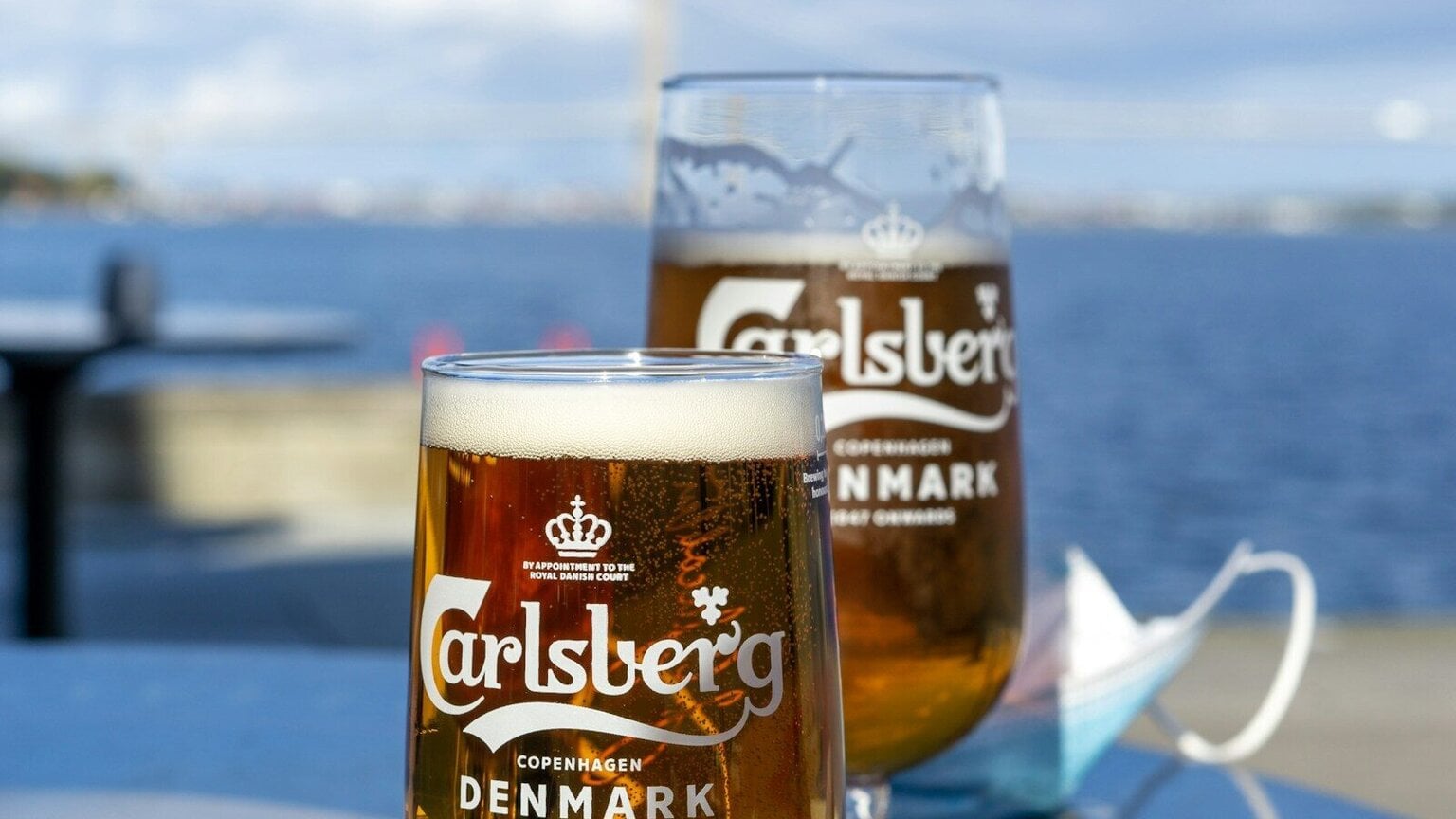
Even moderate spirit consumption carried a signal: two standard measures a week (2.69 units) correlated with an 8.1% higher risk. The associations persisted after adjusting for liver disease and a wide range of health and lifestyle factors, the researchers said.
Red and white wine drinkers showed no significant increase in risk at any consumption level up to 14 units a week — the UK chief medical officers’ recommended limit.
In fact, red wine consumption at or below that threshold showed a protective tendency in men, the study found. However, the protective signal disappeared entirely once weekly intake exceeded 14 units, at which point wine drinkers faced the same elevated risk as beer and spirit consumers.
Scientists attribute wine’s divergent profile to polyphenols — antioxidant and anti-inflammatory compounds from grapes that may neutralise harmful byproducts of ethanol metabolism. Those byproducts go unchecked in beer and spirits, the researchers hypothesised.

“While alcohol has traditionally been linked with kidney injury through its impact on the liver, our research suggests that spirits and beer may contribute directly to kidney damage through inflammatory pathways,”
Participants at higher risk of acute kidney injury also had elevated levels of C-reactive protein and neutrophil counts — both markers of systemic inflammation. Neutrophils and CRP rose steadily across tertiles of beer and spirit consumption but fell across wine tertiles, the study found.
Dr Peter Rice, chair of the Institute of Alcohol Studies, urged caution in interpreting wine’s apparent benefit. “Studies which examine the health impacts of different alcoholic beverages are difficult to undertake due to a number of factors,” he said.
“In general, wine consumers tend to have fewer dietary and activity risk factors and are more affluent. The effect of the alcohol molecule on body tissues does not vary with the type of alcoholic product, therefore any difference in health outcomes is often due to other risk factors, in particular deprivation.”
The researchers themselves stressed they had identified a statistical association, not a causal relationship. The study’s design cannot rule out residual confounding — the possibility that wine drinkers’ better kidney outcomes reflect healthier lifestyles or higher socioeconomic status rather than the beverage itself.
Related reading

Indonesia’s KPK Urges Ministries to Review $805,000 Influencer Contracts Tied to Presidential Envoy Raffi Ahmad
Indonesia's anti-corruption agency on Wednesday urged two ministries to review Rp 14.7 billion ($805,000) in influencer contracts awarded...

Chinese Electric Comb Regrows 97.85% Hair in Mice, Outperforms Minoxidil
Chinese researchers developed an electric comb with gene-based drugs that regrew 97.85% of hair on mice in four...

Sinn Féin to Circulate Gender Policy Defining Woman as ‘Adult Female
Sinn Féin will circulate a new gender identity policy document to its TDs and senators in the coming...
Clarion-Clipperton Zone Nodules Harbor Tiny Animals, Study Finds
Scientists cracked open potato-sized rocks from the Pacific seabed and found thousands of microscopic animals living inside their...