
Indonesia's anti-corruption agency on Wednesday urged two ministries to review Rp 14.7 billion ($805,000) in influencer contracts awarded to a company owned by presidential special envoy Raffi Ahmad.
Indonesia’s anti-corruption agency on Wednesday urged two ministries to review Rp 14.7 billion in influencer contracts awarded to a company owned by presidential special envoy Raffi Ahmad.
The Corruption Eradication Commission (KPK) called on the Culture Ministry and the Maritime Affairs and Fisheries Ministry to evaluate the entire procurement process, from planning to implementation, following findings by Indonesia Corruption Watch (ICW) that eight government packages for influencer services were awarded to PT Rans Animasi Indonesia. The watchdog alleged the specifications may have been tailored to favor a single provider, effectively shutting out competitors.
“This is important to determine whether the procurement of goods and services was effective and efficient, as well as to identify any potential irregularities, improper practices, or conflicts of interest,” KPK spokesman Budi Prasetyo said in a statement.
The contracts span two administrations. Five packages worth Rp 3.9 billion were awarded in 2024 by the museum and cultural heritage unit under the then-Education, Culture, Research, and Technology Ministry, which later became part of the newly established Culture Ministry. The Maritime Affairs and Fisheries Ministry awarded three packages worth Rp 10.79 billion between 2025 and 2026.
Envoy Role and Company Ties Draw ICW Concerns
Raffi Ahmad serves as the President’s Special Envoy for Youth Development and Creative Workers, a role he assumed in October 2024. He and his wife, actress Nagita Slavina, founded PT Rans Entertainment, the parent company of PT Rans Animasi Indonesia. Together they command an audience exceeding 140 million followers across platforms, a reach the company highlighted in its November 11 letter to the stock exchange.

ICW identified five specific concerns: procurement specifications naming specific social media accounts and channels, a lack of clarity on the measurable benefits of influencer spending, potential violations of budget efficiency policies, restricted competition, and the conflict of interest inherent in a public official’s private company receiving state funds.
“By naming specific social media accounts and channels as the required deliverables, the ministries effectively created a single-source procurement scenario,” the watchdog said.
Breakdown of the Packages
| Ministry / Unit | Period | Number of Packages | Total Value (Rp Billion) | Key Deliverables |
|---|---|---|---|---|
| Education, Culture, Research & Technology Ministry (Museum & Cultural Heritage Unit) | 2024 | 5 | 3.9 | YouTube placements, Instagram Reels/Stories, TikTok, Event attendance |
| Maritime Affairs & Fisheries Ministry (DG Marine Space Management) | 2025 | 1 | 3.6 | Influencer engagement services |
The Maritime Affairs Ministry’s 2026 contract for the “Kampung Nelayan Merah Putih” (Red and White Fishing Village) in North Cemaga, Natuna, is tied to one of President Prabowo Subianto’s flagship programs. The combined value of the eight contracts reaches Rp 14.7 billion (approximately US$805,000).
Raffi Pledges Personal Funds for Aceh Relief
In a video statement posted on November 16, Raffi apologized for the controversy and pledged to allocate Rp 15 billion from personal funds and contributions from fellow celebrities Ariel Noah, Desta Mahendra, and Gading Marten to assist disaster-affected communities in Aceh. He insisted the donation would not draw from payments owed to production crews or micro, small, and medium enterprises involved in the government projects.
“In 2024, I consulted the KPK about continuing my work as an entertainer, including accepting endorsements and other commercial partnerships. Based on those consultations, the KPK informed me that such activities did not violate existing regulations,”
Raffi added that he now recognizes the ethical standards and public trust associated with his position must take precedence. “I will therefore take this incident as a lesson and commit to exercising greater caution to prevent similar mistakes from recurring,” he said.
Company’s Position: Track Record and Timing
PT Rans Entertainment Indonesia Tbk, listed on the Indonesia Stock Exchange since July 10, 2026, argued in its November 11 disclosure that all cooperation agreements followed applicable procurement procedures, including the Inaproc platform and e-Catalogue. The company stated the creator group “The Dudas-1,” featured in the Maritime Affairs Ministry campaigns, was established in mid-2024 and had produced around 90 content assets before Raffi’s October 2024 appointment and before receiving any ministerial project appointments.

Management said the campaigns generated a cumulative total of more than 52.6 million views across digital channels by the time work was delivered, with over 120 content pieces from the three Maritime Affairs campaigns and over 25 from the museum promotion.
KPK’s Next Steps and Public Reporting
KPK Investigation Director Achmad Taufik Husein told reporters on Tuesday that the agency is assessing whether the procurement packages contain elements of criminal corruption within its jurisdiction. He emphasized the commission cannot take formal steps without a public report accompanied by documents and initial evidence. “KPK opens the opportunity for the public to report,” Taufik said, speaking at the KPK’s Red and White building in South Jakarta.
As of Wednesday, no formal summonses have been scheduled for ministerial officials or Raffi Ahmad. The agency maintains that establishing jurisdictional authority and proving criminal intent remain prerequisites before escalating the evaluation to a formal investigation.
Broader Pattern of State Influencer Spending
This is not the first time ICW has flagged government spending on influencers. In August 2020, the watchdog reported the central government had spent Rp 90.45 billion on activities involving influencers across 40 procurement packages. The current scrutiny reflects a broader institutional reliance on paid digital personalities to amplify state programs, a practice critics argue blurs the line between public communication and commercial endorsement.

Kompas, in an editorial analysis, framed the phenomenon as a shift in how power builds political legitimacy. “The ability to build a brand is not necessarily the same as managing state interests. Popularity may add value but should not replace meritocracy,” the outlet wrote, warning that the voices of citizens complaining about rising prices and poor public services risk being drowned out by the noise of content.
The Culture Ministry and Maritime Affairs Ministry have not yet publicly detailed the results of their internal reviews. The KPK awaits the public reports that will determine whether this evaluation becomes a formal investigation.

Beer and Spirits Linked to Higher Kidney Injury Risk, Wine Shows Neutral or Protective Association
"Acute kidney injury is a serious condition that can lead to chronic kidney disease, kidney failure and an...

Chinese Electric Comb Regrows 97.85% Hair in Mice, Outperforms Minoxidil
Chinese researchers developed an electric comb with gene-based drugs that regrew 97.85% of hair on mice in four...

Sinn Féin to Circulate Gender Policy Defining Woman as ‘Adult Female
Sinn Féin will circulate a new gender identity policy document to its TDs and senators in the coming...
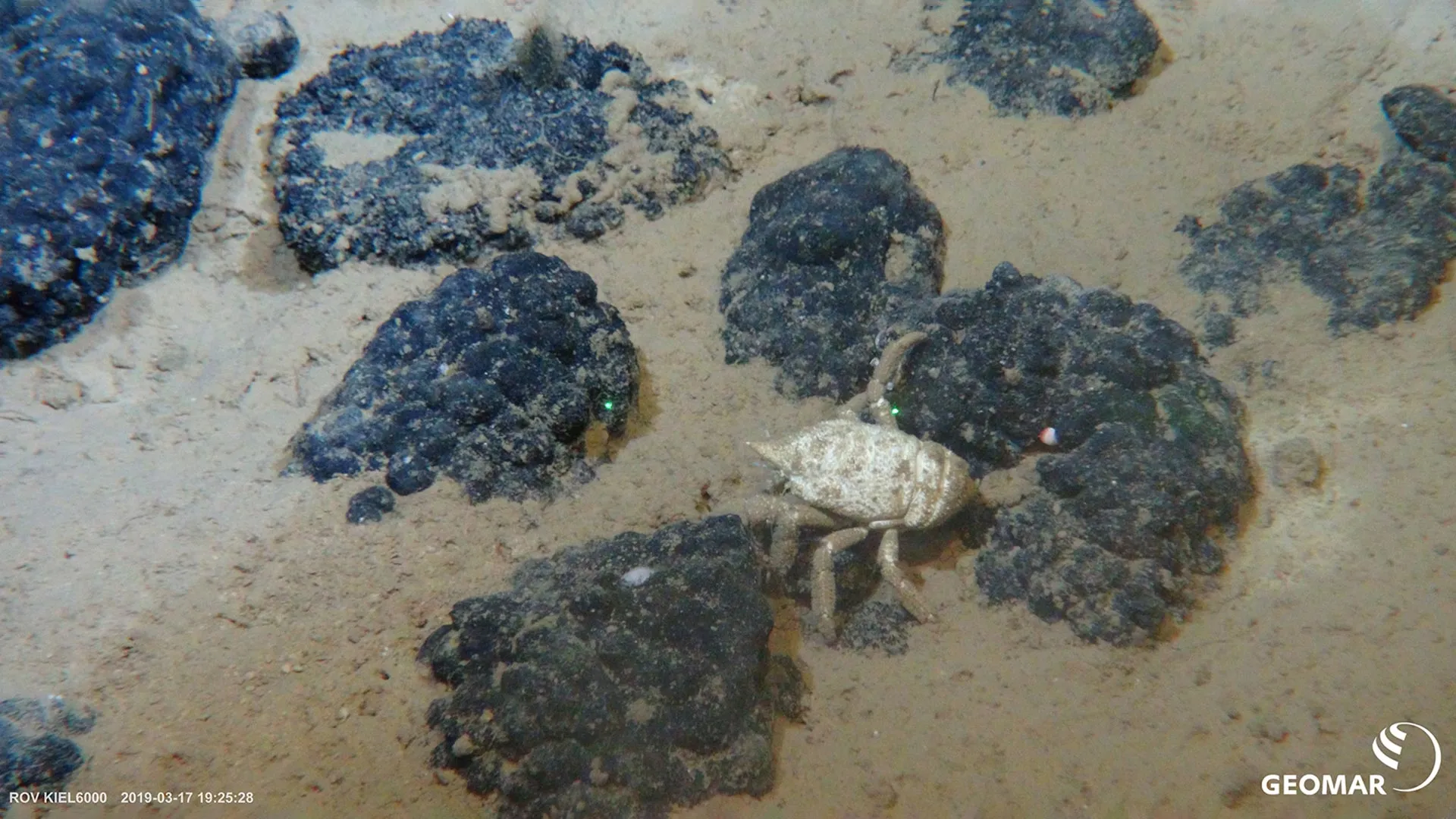
Clarion-Clipperton Zone Nodules Harbor Tiny Animals, Study Finds
Scientists cracked open potato-sized rocks from the Pacific seabed and found thousands of microscopic animals living inside their...