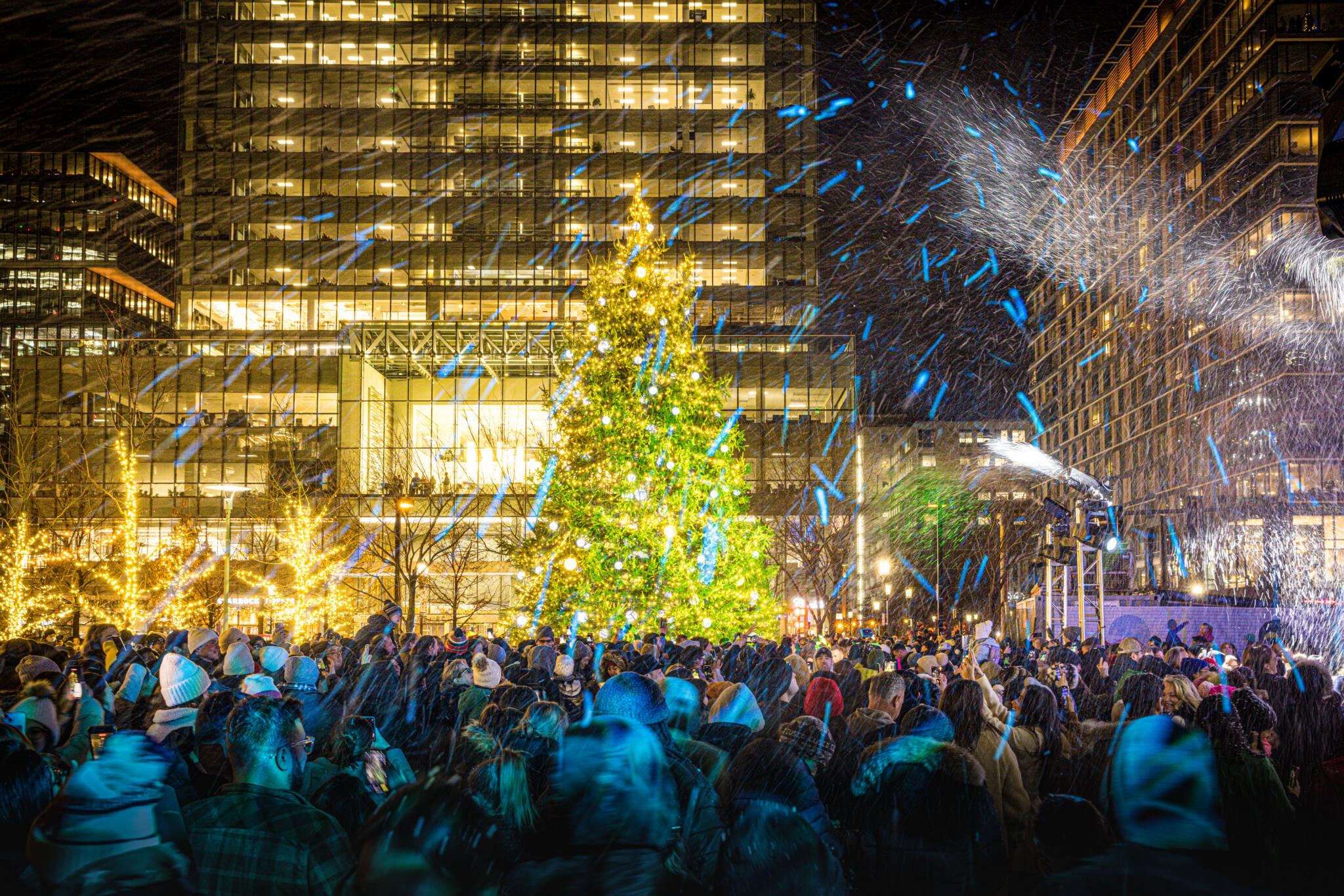
The calendar says early November, but the logistics of the holiday season are already in full swing across eastern Massachusetts. While the unseasonably warm weather might suggest there is plenty of time to get your shopping done, the regional market circuit is already preparing to open its gates. According to the latest update from WBUR News, the shift toward localized, artisan-focused shopping is accelerating, with seven distinct markets spanning from Boston’s urban core to the suburbs of the North and South Shores.
The Evolution of the Holiday Market Model
For many, the appeal of a holiday market has moved beyond simple commerce. It has become a deliberate alternative to the high-pressure, digital-first retail environment that dominates the late-year economy. Boston’s Snowport, which returned on November 6 at 100 Seaport Blvd., serves as the anchor for this trend. By integrating over 125 vendors with experiential elements like iceless curling and themed bars, the venue attempts to solve the “last mile” problem of holiday shopping: making the act of buying gifts feel like a destination rather than a chore.

This experiential push is not unique to the Seaport. The SoWa Christmas Market, opening November 20 at the SoWa Power Station, is leaning heavily into event-driven traffic. With scheduled activities ranging from line dancing to “build your own bouquet” workshops on December 15, the market is positioning itself as a community hub. The economic stakes here are significant; for local artisans and small-batch producers, these markets provide a critical, short-term liquidity injection that sustains many of them through the quieter winter months.
Shifting Geography: Beyond the City Limits
While urban centers often capture the headlines, the market footprint is expanding deep into the suburbs. The Paradise City Arts Festival in Marlborough provides a necessary outlet for the MetroWest population, focusing on a high-density collection of 175 artists. Unlike the quick-stop nature of smaller pop-ups, this event is designed as a deep dive, with organizers suggesting that attendees budget three to four hours to properly experience the galleries.

The regional distribution of these events suggests a strategic effort to capture spending power outside of the downtown core. Consider the contrast in venue selection:
| Market | Location | Primary Dates |
|---|---|---|
| Snowport | Boston | Nov. 6 – Dec. 27 |
| SoWa Christmas Market | Boston | Nov. 20 – Dec. 27 |
| Paradise City Arts Festival | Marlborough | Nov. 20 – 22 |
| Boston Women’s Market | Somerville | Nov. 22, Nov. 29 |
| Trustees Holiday Market | Ipswich | Dec. 3 |
| Plymouth Holiday Market | Plymouth | Dec. 3 |
| Harvard Square Holiday Fair | Cambridge | Dec. 11-13, Dec. 18-20 |
The Tension Between Convenience and Curation
Critics of the modern market movement often point to the “festivalization” of retail as a way to mask rising admission costs and the commodification of local culture. For example, while the Boston Women’s Market in Somerville remains free, the SoWa market now requires a $10 entry fee for adults. This creates a clear barrier to entry that favors affluent demographics, a point of contention for those who view these spaces as public assets rather than private event venues.

However, the data suggests that these markets are filling a gap left by the slow decline of regional shopping malls. According to the U.S. Census Bureau’s monthly retail trade report, while general retail spending remains stable, the consumer preference for “unique” or “hand-crafted” goods has surged as a reaction to supply chain volatility and the homogenization of big-box inventory. By visiting a site like the Trustees Holiday Market at Castle Hill in Ipswich, shoppers are not just buying a product; they are engaging in a form of historic preservation, as their spending supports the maintenance of properties like the Crane Estate.
The Road Ahead
As we look toward December, the primary question for both vendors and organizers is whether the current level of market saturation is sustainable. With overlapping dates and competing events, the pressure is on smaller markets to differentiate themselves through unique activities—such as the golden ticket hunt at the Boston Women’s Market or the historic access offered at the Trustees’ property.
For the average consumer, the choice comes down to a trade-off between the scale of a major event like Snowport and the intimate, specialized environment of the Harvard Square Holiday Fair. Regardless of where you choose to spend your time, the shift toward these temporary, localized marketplaces represents a significant pivot in how communities define the holiday shopping experience. Whether this model continues to grow or reaches a saturation point remains the defining question for the 2026 season.
Worth a look

Shuang Hur observes H Mart entry may impact Twin Cities Asian markets
Shuang Hur faces new competition as H Mart enters the Twin Cities In a recent column for My...

LSU vs. Alabama: Playoff Implications and Security Updates for Saturday’s Showdown
The LSU Tigers and Alabama Crimson Tide face off this Saturday, November 7, at Tiger Stadium in Baton...
Pepsi-Cola Drivers in Atlanta and Lithonia Authorize Strike via Teamsters Local 528
Pepsi-Cola Drivers in Georgia Vote to Authorize Strike More than 100 Pepsi-Cola drivers across facilities in Atlanta and...
Arizona Democrats Seize Control of Capitol to Implement New Policy Agenda
A New Era at the Arizona Capitol For the first time since 1966, the political landscape in Arizona...