Bishop Brown Calls for Renewed Baptismal Focus at 207th Diocesan Convention
In an address delivered November 7, 2026, at the University of Southern Maine in Portland, Bishop Brown returned from a four-month sabbatical to open the 207th Diocesan Convention of the Episcopal Diocese of Maine.
Addressing the gathered clergy and lay delegates, the Bishop framed the future of the diocese not through administrative restructuring, but through a theological recalibration centered on the concept of “cherishing.”
The Bishop reported that the time away provided a necessary distance to observe the life of the church. According to the Episcopal Diocese of Maine, the diocesan staff and the Standing Committee managed administrative operations during the hiatus, a period the Bishop described as a “masterclass” in witnessing the local church’s inherent vitality.
Moving Beyond Preservation
Bishop Brown drew a sharp distinction between the church’s historical tendency toward preservation and the more active, forward-looking stance of cherishing. While preservation often functions as a defensive measure to safeguard buildings and structures from change, the Bishop argued that cherishing is an act of nurturing that fosters growth and protects the core essence of a community.
Drawing on observations made during travels in northern Europe, the Bishop noted that congregations in the Diocese of Stockholm have been forced to innovate following the 2000 disestablishment of the Church of Sweden.
With only five percent of the population attending worship regularly, these parishes are converting historic properties into centers for local education and the arts. The Bishop suggested that this model of community integration provides a relevant way for Maine parishes to respond to changing local dynamics.
The Baptismal Covenant Defines the Church's Environmental Mission
A central pillar of the Bishop’s address was the role of the Baptismal Covenant in defining the church’s environmental mission. The Bishop highlighted the trial addition of a sixth baptismal question—asking whether congregants will cherish God’s works and protect the integrity of creation—as a fundamental theological commitment rather than a political statement.
“We protect the earth not because we are secular environmentalists, but rather as disciples of the One through whom all things were made,” the Bishop stated during the address.
The argument posits that stewardship of Maine’s natural resources is a direct metric of faith. For the Bishop, baptismal identity must transcend political or regional affiliations, serving as the primary lens through which members interact with both the natural world and one another.
The Discipline of Mutual Affection
The address also challenged the diocese to apply this same lens of “cherishing” to interpersonal relationships within the church. The Bishop emphasized that the most complex work for any congregation lies in maintaining unity among those with differing perspectives. By viewing neighbor parishes and colleagues through the framework of baptism, the Bishop argued, the diocese can move past competitive dynamics regarding resources or membership numbers.
This call for unity extends to the relationship with the Wabanaki Confederacy, with the Bishop committing the diocese to a path of trust and support for tribal sovereignty. The address concluded with a directive for the delegates to move forward with a “fierce, protective and mutual love” for one another, shifting the focus from internal administration to a collective, awe-inspired mission across the state.

Elise Stefanik Argues Republicans Must Rebuild in New York
Elise Stefanik Calls for New York GOP Overhaul After Election Losses Following twelve years in Congress, Representative Elise...

NYCFC Parts Ways With Head Coach Pascal Jansen After Missing Playoffs
New York City FC announced on Sunday morning that the club has parted ways with head coach Pascal...

WKU Women’s Soccer Defeats Kennesaw State to Advance to CUSA Semifinals
WKU Secures CUSA Semifinal Berth The Western Kentucky University women’s soccer team punched its ticket to the Conference...
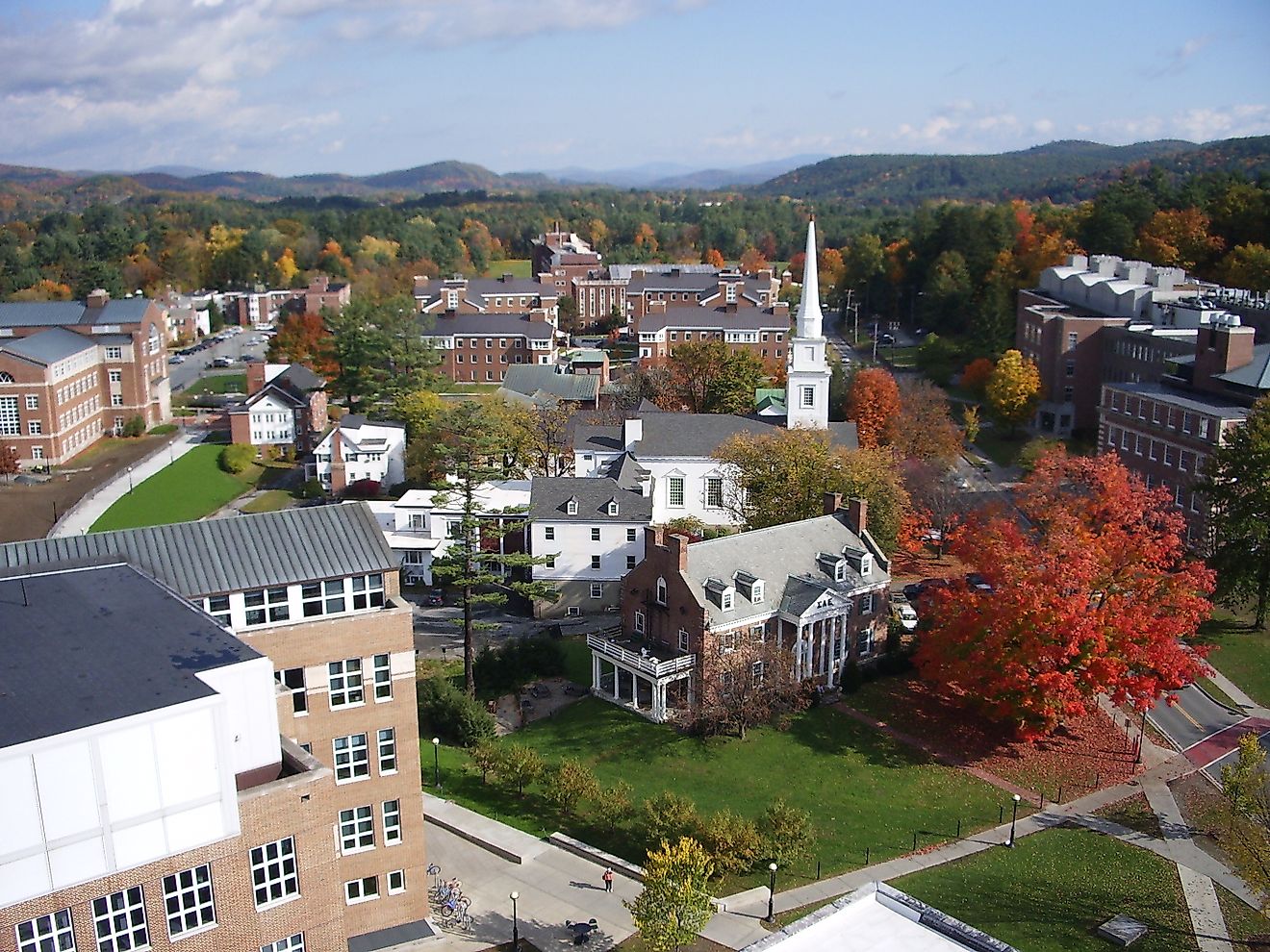
World Atlas Highlights 6 Safest Small Communities in America
The Quietest Corners: Six American Towns With Rare Safety Records Finding a place to call home often involves...