Boise Fire and Idaho National Guard Synchronize Aerial Rescue Tactics
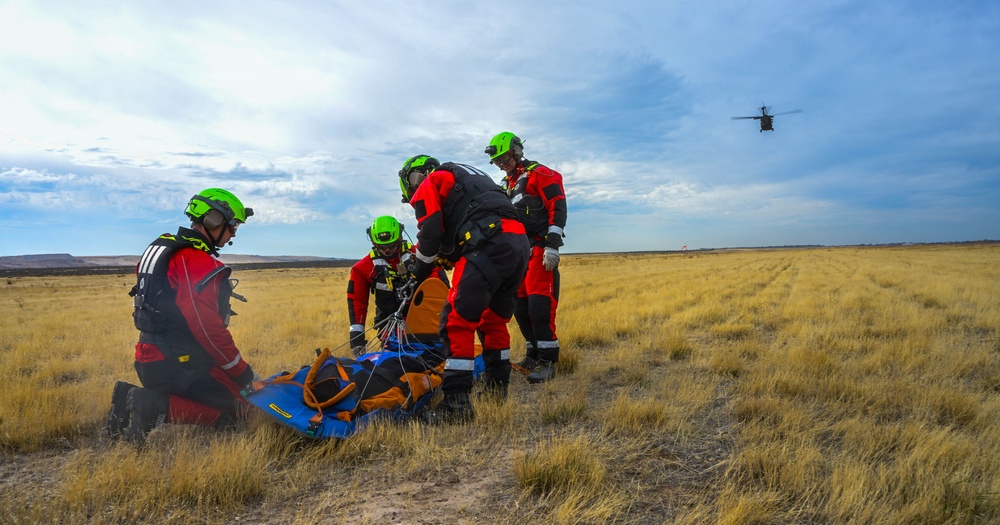
On November 3, 2026, the Boise Fire Department’s swift water rescue team and the Idaho Army National Guard conducted a specialized training exercise near Gowen Field. The operation focused on high-stakes hoist capabilities, utilizing an HH-60M Black Hawk helicopter to extract a simulated patient secured in a rescue litter. This coordination is a direct effort to ensure that when local search and rescue demands exceed standard municipal capacity, the transition to military-assisted air support is seamless.
The training serves as a formal qualification process for Boise firefighters, allowing them to integrate directly with National Guard aircrews during emergency deployments. By practicing the precise mechanics of mid-air hoisting, both organizations are working to eliminate the friction that often occurs when civilian and military agencies intersect during a crisis. According to official records provided via the Defense Visual Information Distribution Service (DVIDS), this joint exercise bolsters the existing partnership between state emergency responders and the Idaho Army National Guard.
The Operational Stakes of Joint Response
The necessity for this level of inter-agency training is driven by the geography of Idaho, where the Boise Fire Department is frequently called to navigate difficult, remote, or water-bound environments. When a standard ground-based rescue is physically impossible or too slow to prevent a loss of life, the ability to deploy a Black Hawk helicopter for an aerial hoist becomes the primary tool for extraction. This training ensures that the communication protocols between the flight crew and the firefighters on the ground are identical, preventing potential errors during high-stress operations.
While the Boise Fire Department maintains high readiness for urban and water-based emergencies, the inclusion of military air assets introduces a different set of variables. These include aircrew safety, specific helicopter load limits, and the complex logistics of maneuvering a rescue litter beneath a hovering aircraft. By formalizing these procedures, the agencies are essentially creating a shared operational language that allows them to function as a single unit when the situation demands it.
Integration and Future Readiness
The partnership between the Idaho Army National Guard and local fire departments is not a new development, but the focus on hoist-specific capabilities marks a shift toward more specialized collaborative rescue efforts. This training is part of a broader strategy to ensure that state and local agencies can rely on the National Guard’s unique aviation assets, such as the HH-60M Black Hawk, which is specifically designed for complex utility and medical evacuation missions.
For the residents of the Boise area, this means that the emergency response net is wider than it might appear on the surface. When local resources are stretched thin by extreme weather or major search and rescue incidents, the ability to call upon the National Guard represents a vital layer of backup. The training held on November 3 ensures that this backup is not just available, but immediately effective.
The collaboration remains an ongoing commitment to community safety, reflecting the reality that modern emergency response requires the integration of local expertise and military-grade logistical support. As both organizations continue to refine these procedures, the focus remains on minimizing the time between a distress call and a successful extraction.
Worth a look

Virginia Morales Cedeño Obituary: A Legacy of Family and Passion
Virginia Morales Cedeño: A Life Defined by Family and Community Virginia Morales Cedeño, whose life spanned nearly a...

Phil Scott Victory Highlights Why Pre-Election Polls Failed
The 14-Point Discrepancy in Vermont’s Gubernatorial Race When the final ballots were tallied on Tuesday, the results in...
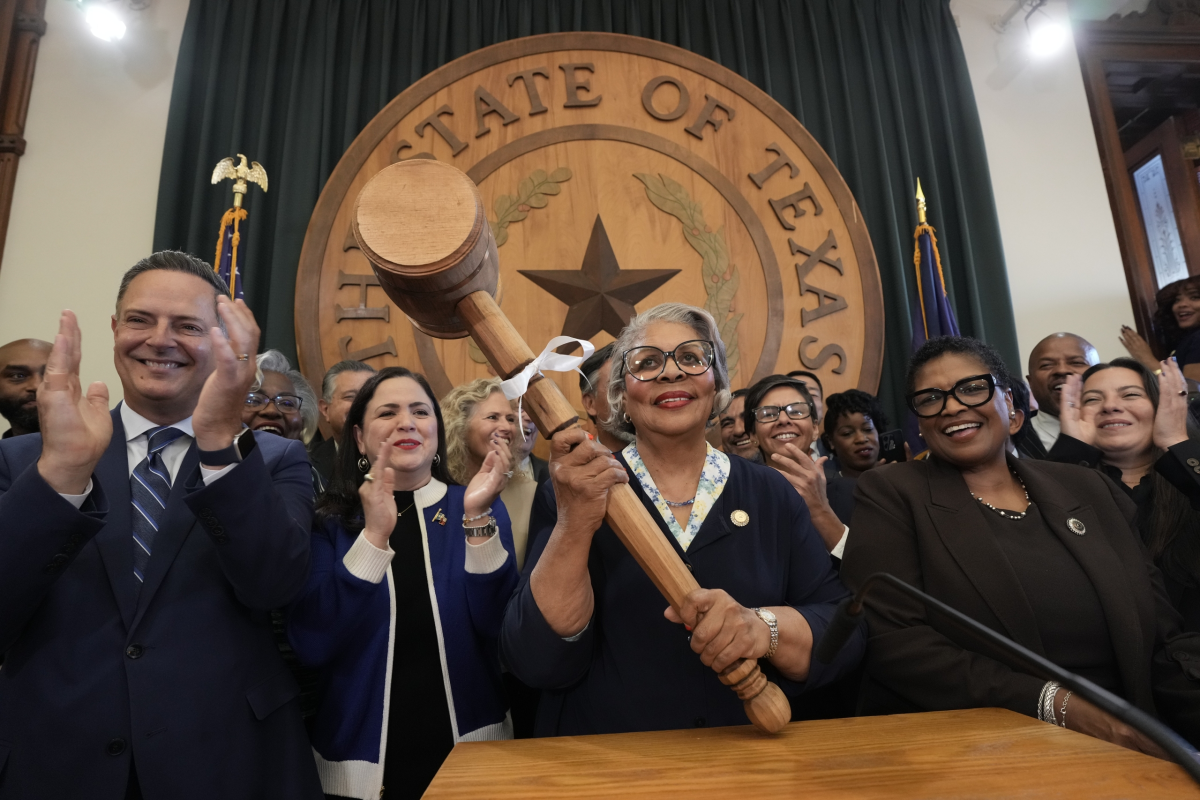
Senfronia Thompson Claims Enough Votes to Become Texas House Speaker
A Historic Shift in the Texas House State Rep. Senfronia Thompson, a fixture of the Texas Legislature since...

Marsha Blackburn wins Tennessee governorship with 45.5% of vote
A Victory in the Reddest State That Felt Like a Warning The election night party for U.S. Senator...