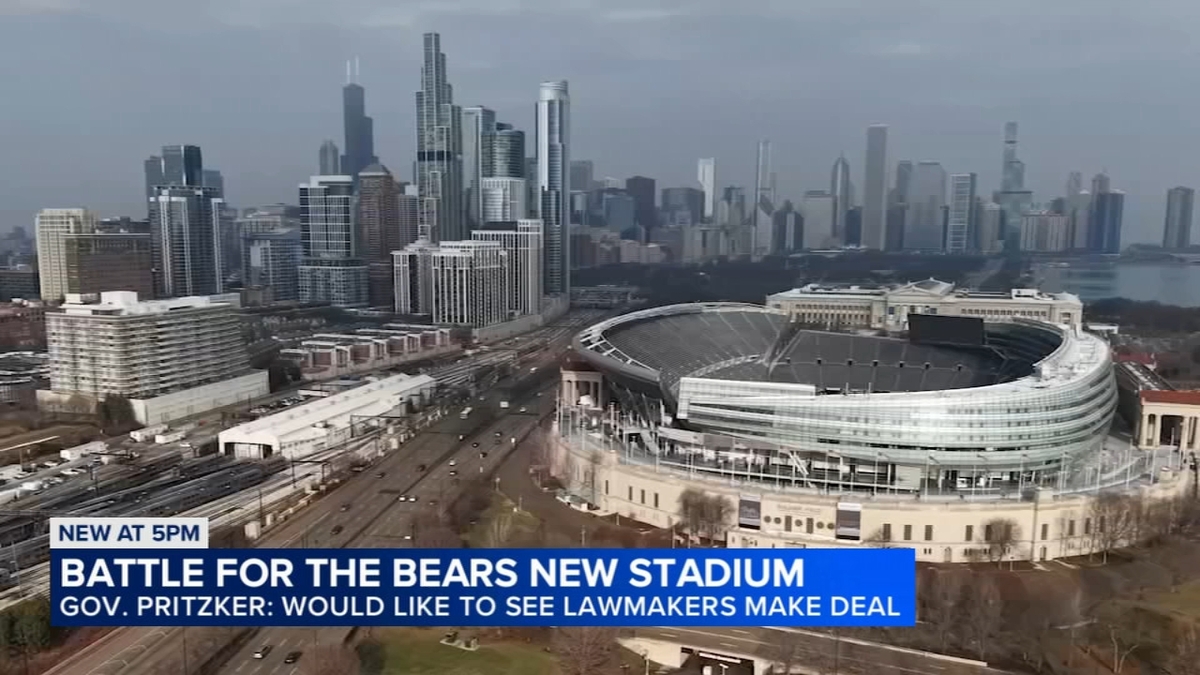
Illinois Governor JB Pritzker signaled a significant shift in the state’s high-stakes pursuit of a new home for the Chicago Bears, announcing that lawmakers are preparing legislation that could be voted on during the upcoming fall veto session. With the team actively exploring a potential move to Hammond, Indiana, the governor’s comments suggest a renewed effort to keep the franchise within Illinois borders by offering a legislative path for a stadium in either Chicago or Arlington Heights.
The legislative calendar adds immediate pressure to these negotiations. Lawmakers return to Springfield on November 17, and with the veto session concluding on December 3, the window to finalize a deal is narrow. According to reports from ABC7 Chicago, Pritzker expressed optimism that the legislature would take up a bill to advance these efforts, noting that acting sooner rather than later is critical to keeping the team in the state.
The Mechanics of a Potential Stadium Deal
The legislative strategy currently under discussion involves the creation of a stadium authority—a public entity that would own the facility. This model is designed to provide the team with property tax certainty, effectively mirroring the tax status of Soldier Field or the White Sox’s Rate Field. As reported by CBS News Chicago, this approach would not require direct government funding for the stadium construction itself, which would be financed by the team, but would instead rely on public support for necessary infrastructure improvements like roads and utilities.
Earlier this week, NFL Commissioner Roger Goodell accompanied #Bears officials Kevin Warren and George McCaskey to a meeting with Illinois legislative leaders in Chicago. They promised to have continued conversations about a path forward for a stadium in Arlington Heights or… pic.twitter.com/dpWtB2zOiA
This path marks a return to the negotiating table after a period of stagnation. Earlier this year, similar proposals failed to clear both chambers of the Illinois General Assembly. The current momentum follows an October 1 meeting in Chicago attended by NFL Commissioner Roger Goodell, Governor Pritzker, legislative leaders, and Bears minority owner Pat Ryan. Sports business expert Marc Ganis observed that Ryan’s involvement may have helped align business and political interests, telling CBS News that if a deal is not reached by the end of the veto session, the likelihood of a move to Indiana becomes much more real.
Arlington Heights and the Chicago Question
While the team has publicly focused on Hammond, Indiana, in recent months, the Arlington Heights site remains a primary point of interest. The Bears purchased the 326-acre former Arlington Park racetrack property in 2023 for $197 million. Supporters of an Arlington Heights development point to the site’s previous vetting as a major advantage. However, the political landscape is complex; Chicago Mayor Brandon Johnson maintains that the team belongs within city limits, while others, such as State Representative La Shawn Ford, emphasize the broader consensus among lawmakers that the priority is simply keeping the franchise in Illinois.
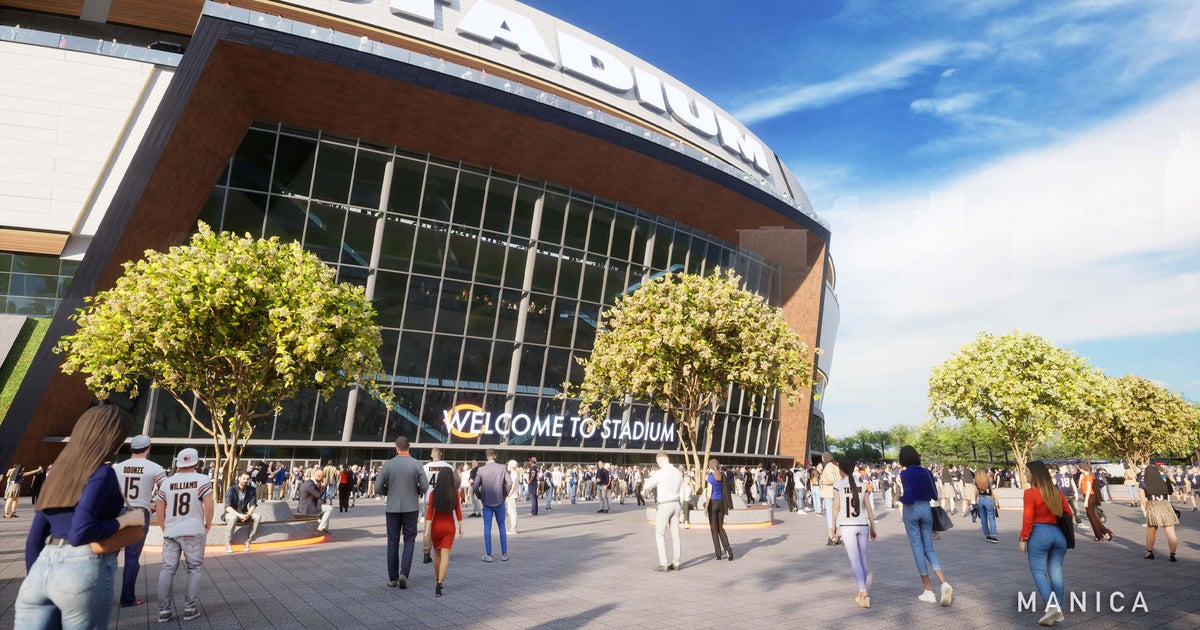
The human and economic stakes are significant. Beyond the immediate tax implications, the project is framed by the Bears as a “transformational” development intended to attract global events and generate long-term job growth. In a statement provided to WTTW News, the team confirmed it is engaging with Illinois leadership, stating, “We have a responsibility and obligation to explore every option available to the club.”
The Road to December 3
The central question remains whether lawmakers can craft a bill that satisfies both the team’s financial requirements and the public’s demand for fiscal responsibility. House Speaker Emmanuel “Chris” Welch has emphasized that the focus remains on “responsible steps that protect taxpayers.” Because the upcoming session follows the November election, political observers note that the pressure of the campaign season has eased, potentially creating more room for a compromise.
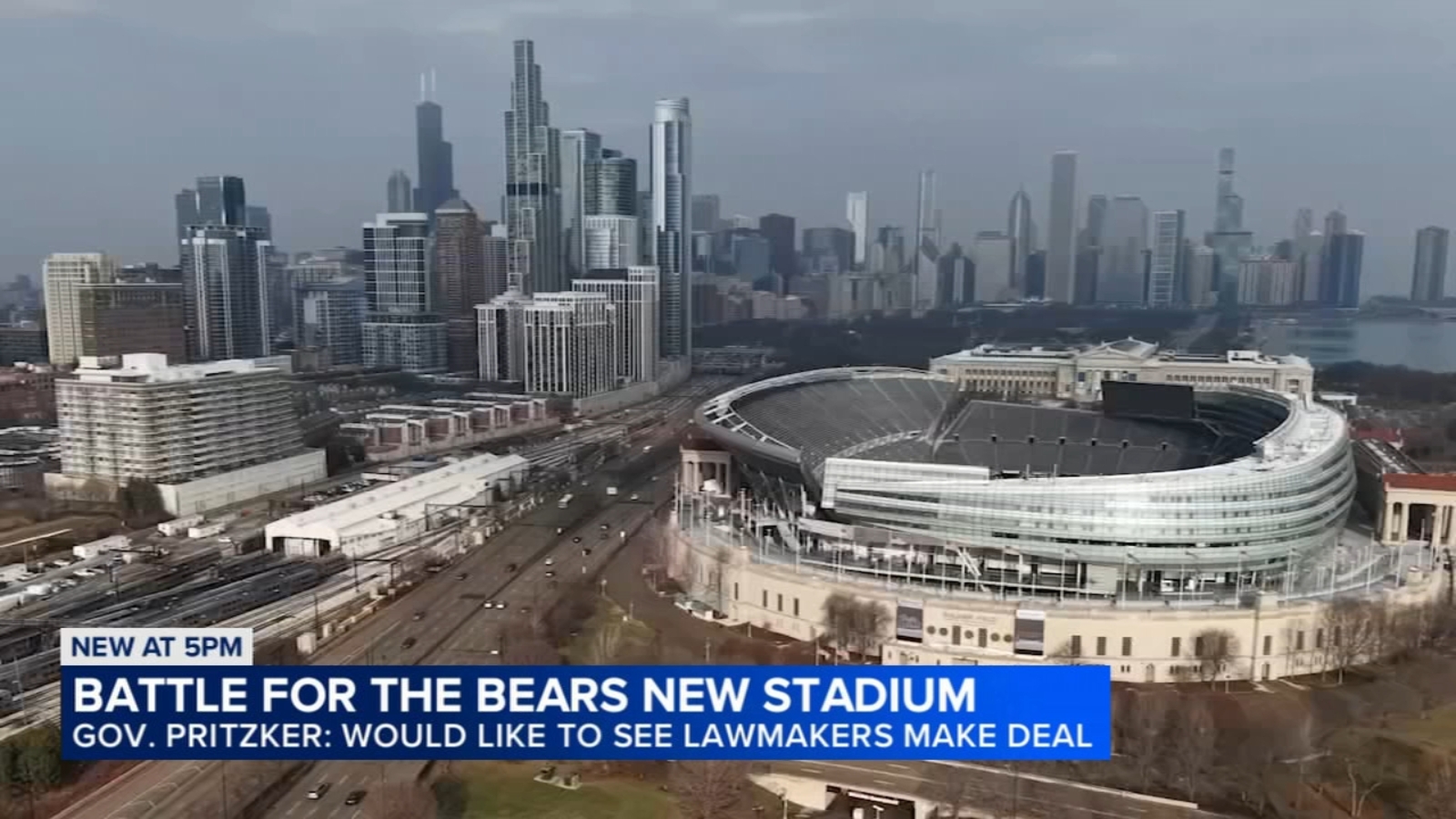
Whether this legislative push results in a final agreement or merely extends the conversation into next year remains the central uncertainty. For now, the focus shifts to Springfield, where the final weeks of the calendar year will determine if the Bears’ long-term future remains in Illinois or moves across state lines.
Worth a look

Virginia Morales Cedeño Obituary: A Legacy of Family and Passion
Virginia Morales Cedeño: A Life Defined by Family and Community Virginia Morales Cedeño, whose life spanned nearly a...

Phil Scott Victory Highlights Why Pre-Election Polls Failed
The 14-Point Discrepancy in Vermont’s Gubernatorial Race When the final ballots were tallied on Tuesday, the results in...
Senfronia Thompson Claims Enough Votes to Become Texas House Speaker
A Historic Shift in the Texas House State Rep. Senfronia Thompson, a fixture of the Texas Legislature since...

Marsha Blackburn wins Tennessee governorship with 45.5% of vote
A Victory in the Reddest State That Felt Like a Warning The election night party for U.S. Senator...